When you picture a US national park, you might imagine traffic jams in Yosemite Valley or crowded viewpoints at the Grand Canyon. While America’s most famous parks are undeniably stunning, their popularity can sometimes overshadow the very thing many of us seek in nature: a sense of peace and solitude.
But beyond the bustling trails and full parking lots, there are other parks, wild, remote, and profoundly quiet. These are the nation’s least-visited national parks. For the adventurous traveler, “least-visited” isn’t a sign of a lesser experience; it’s a badge of honor. It promises a journey to places of untouched nature, where the wilderness is the main event and the crowds are nowhere to be found.
The 10 Least-Visited National Parks
This list is based on recent visitor statistics from the National Park Service. The main reason these parks see so few visitors is almost always remoteness. Reaching them requires effort, planning, and a spirit of adventure. But for those willing to make the journey, the rewards are immeasurable.
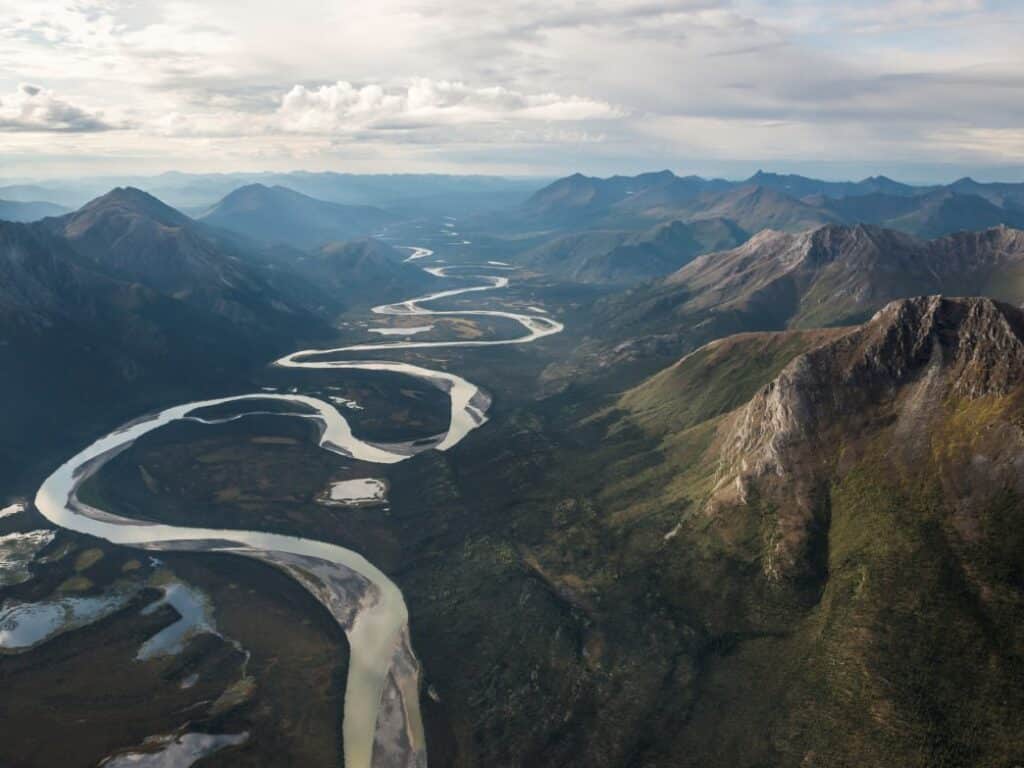
1. Gates of the Arctic National Park & Preserve, Alaska
- Why You Should Go: To experience true, untouched wilderness in one of the most remote places on Earth.
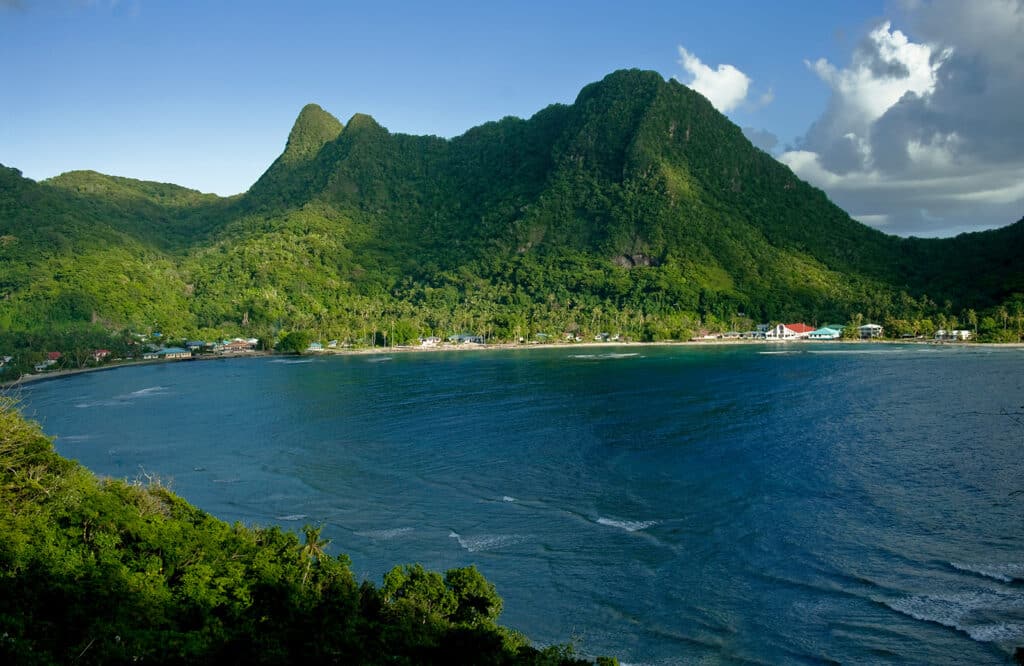
2. National Park of American Samoa
- Why You Should Go: To explore a tropical paradise of rainforests, coral reefs, and unique Samoan culture far from the usual tourist trail.
3. Kobuk Valley National Park, Alaska
- Why You Should Go: To witness the great arctic sand dunes and the annual caribou migration in a place of surreal, remote beauty.
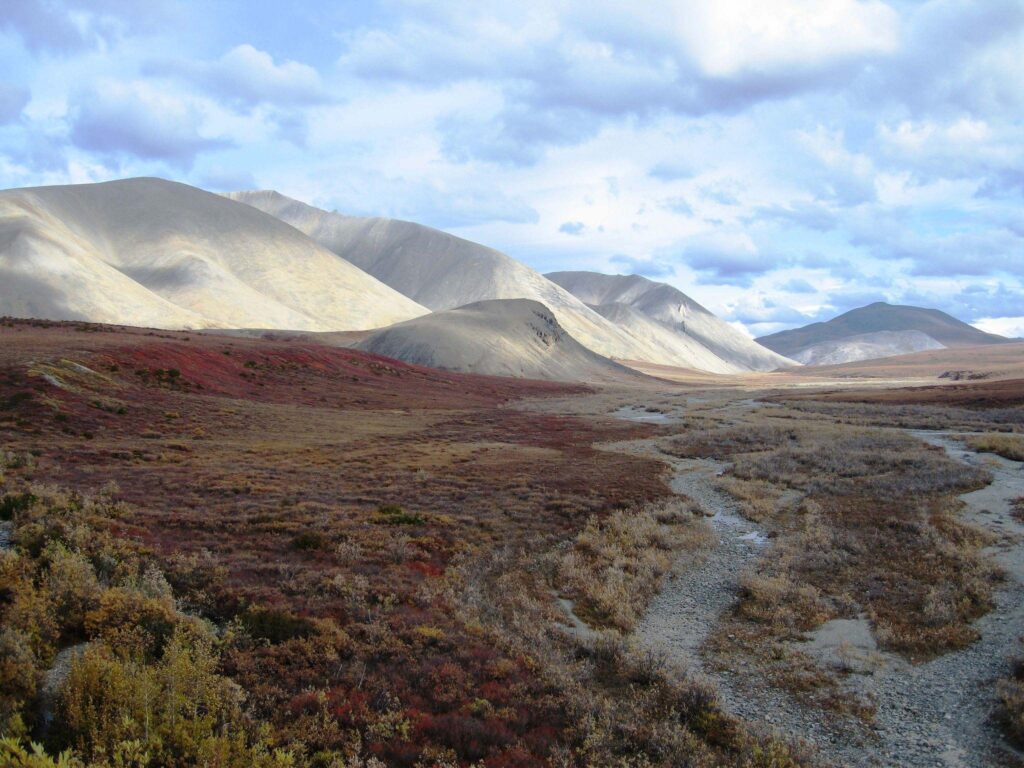
Imagine sand dunes in the Arctic. Kobuk Valley is home to the Great Kobuk Sand Dunes, a surreal landscape of shifting sands surrounded by boreal forest. The park was created to protect this unique environment and the migratory path of the Western Arctic caribou herd, half a million of which cross the Kobuk River twice a year.
4. North Cascades National Park, Washington
- Why You Should Go: To experience the “American Alps,” a stunning landscape of jagged peaks, over 300 glaciers, and turquoise alpine lakes.
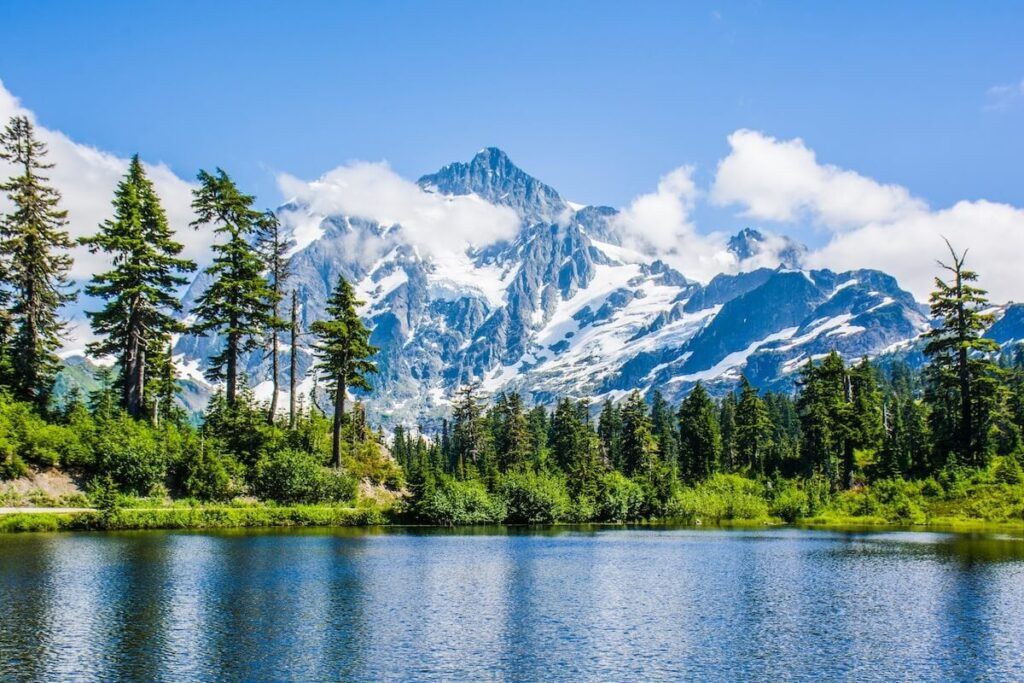
Often called the “American Alps,” North Cascades is a breathtaking landscape of jagged, glacier-clad peaks and vibrant turquoise lakes. Despite being just a three-hour drive from Seattle, it’s one of the least-visited parks in the lower 48 states. It has no major roads running through its core, preserving its wild character and rewarding hikers who venture into its backcountry.
5. Wrangell-St. Elias National Park and Preserve, Alaska
- Why You Should Go: To explore America’s largest national park, a land of massive glaciers, towering peaks, and epic scale that defies imagination.
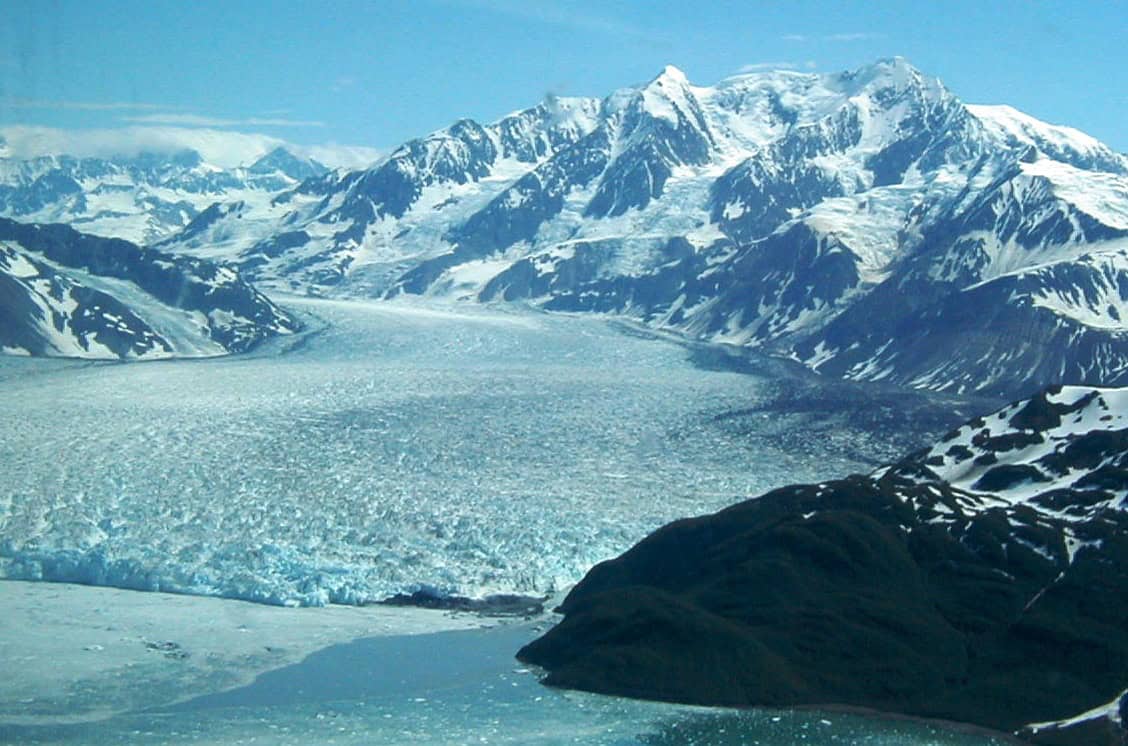
It’s hard to comprehend the scale of Wrangell-St. Elias. At 13.2 million acres, it is America’s largest national park, the size of Yellowstone, Yosemite, and Switzerland combined. It’s a land of superlatives, containing nine of the 16 highest peaks in the US, massive glaciers, and an untamed wilderness that stretches to the horizon.
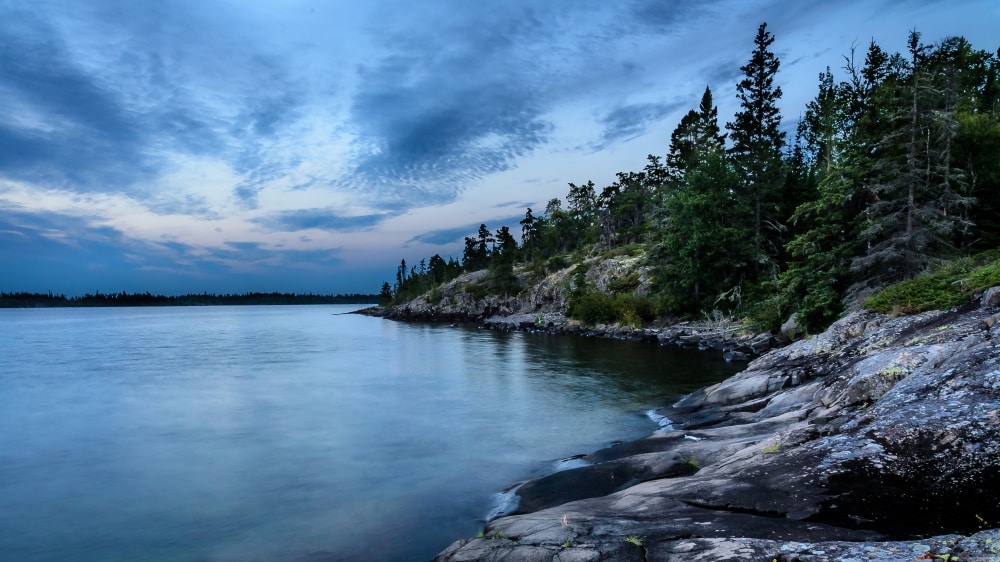
6. Isle Royale National Park, Michigan
- Why You Should Go: To hike and kayak in a rugged, isolated island wilderness in Lake Superior, famous for its wolf and moose populations.
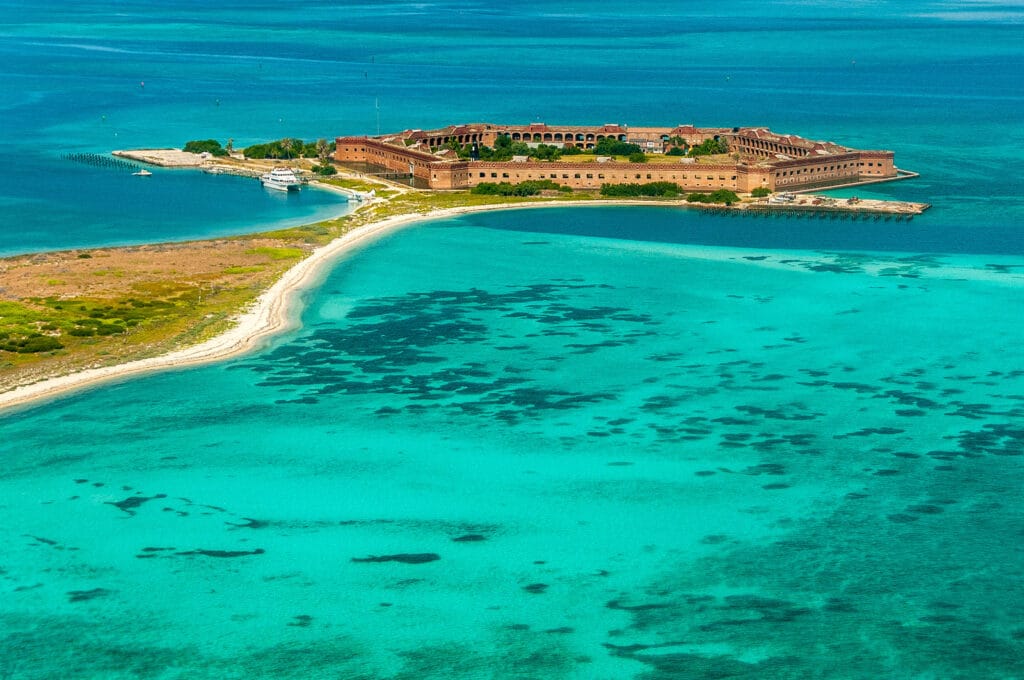
7. Dry Tortugas National Park, Florida
- Why You Should Go: To snorkel in crystal-clear waters, explore a historic 19th-century fort, and experience a remote tropical island.
8. North Cascades National Park, Washington
- Why You Should Go: To experience the “American Alps,” a stunning landscape of jagged peaks, over 300 glaciers, and turquoise alpine lakes.
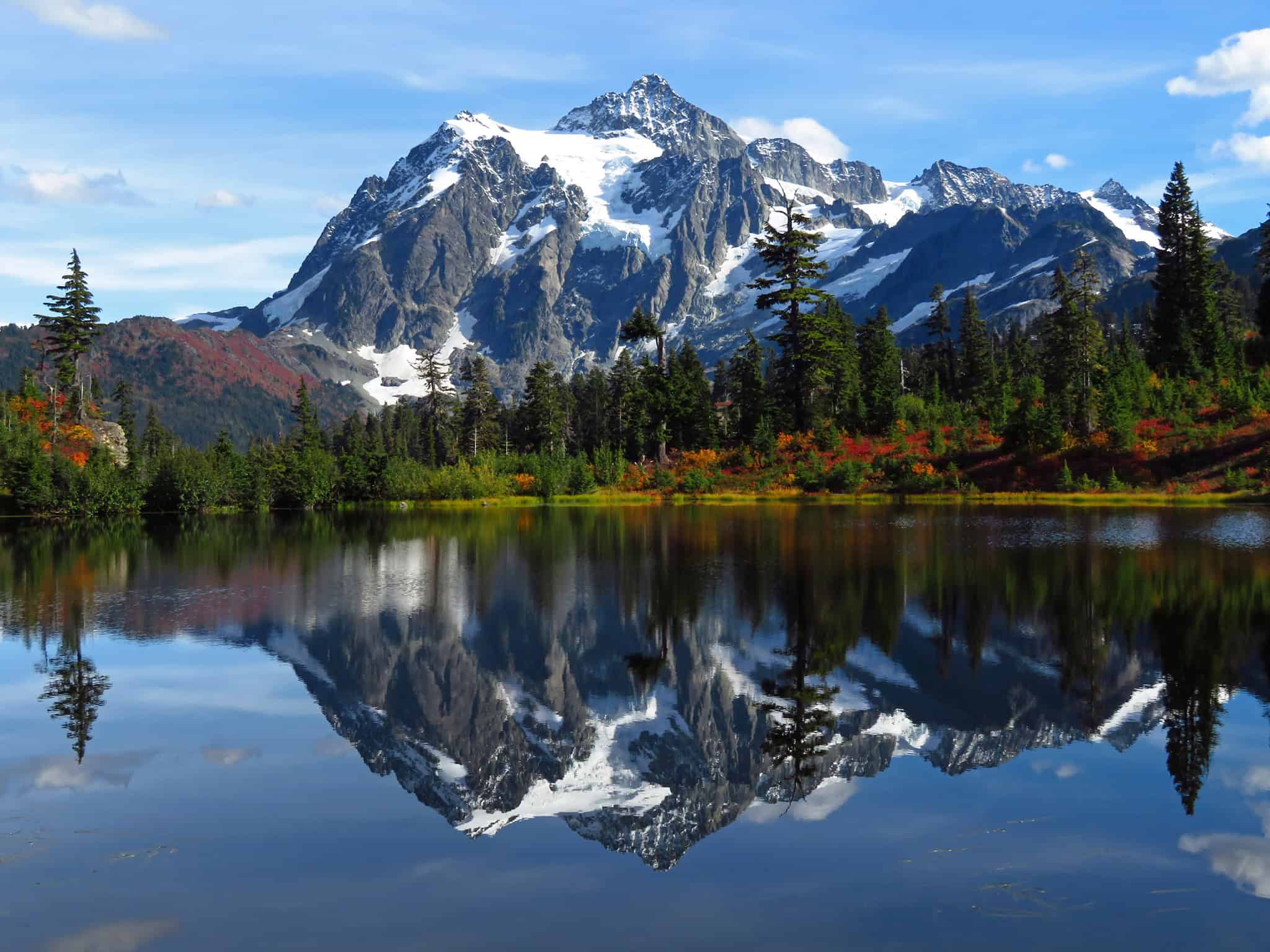
Often called the “American Alps,” North Cascades is a breathtaking landscape of jagged, glacier-clad peaks and vibrant turquoise lakes. Despite being just a three-hour drive from Seattle, it’s one of the least-visited parks in the lower 48 states. It has no major roads running through its core, preserving its wild character and rewarding hikers who venture into its backcountry.
9. Great Basin National Park, Nevada
- Why You Should Go: To walk among ancient bristlecone pines, explore Lehman Caves, and stargaze under some of the darkest night skies in the United States.
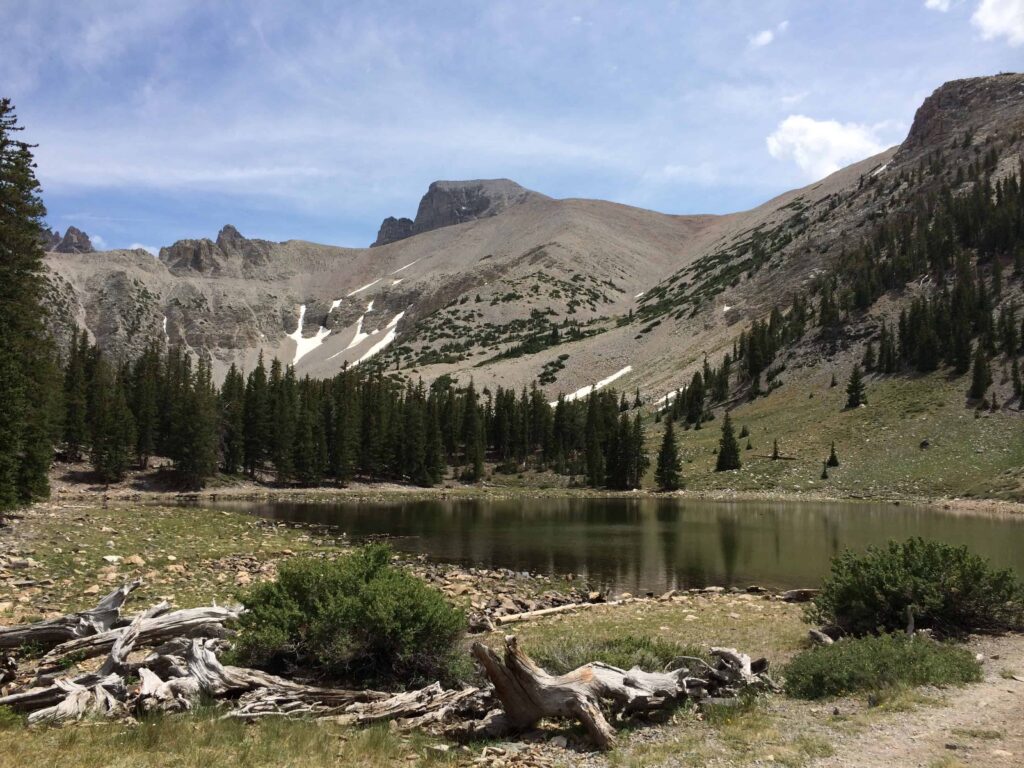
In the high desert of eastern Nevada lies a park of surprising diversity. Great Basin is home to Lehman Caves, a beautiful marble cave decorated with rare formations. Above ground, you can hike among groves of bristlecone pines, the oldest living trees on Earth. And at night, the park reveals its greatest treasure: as an International Dark Sky Park, it offers some of the most spectacular stargazing in the country.
10. Congaree National Park, South Carolina
- Why You Should Go: To walk among giant, ancient trees in a primeval floodplain forest and witness the magic of synchronous fireflies.
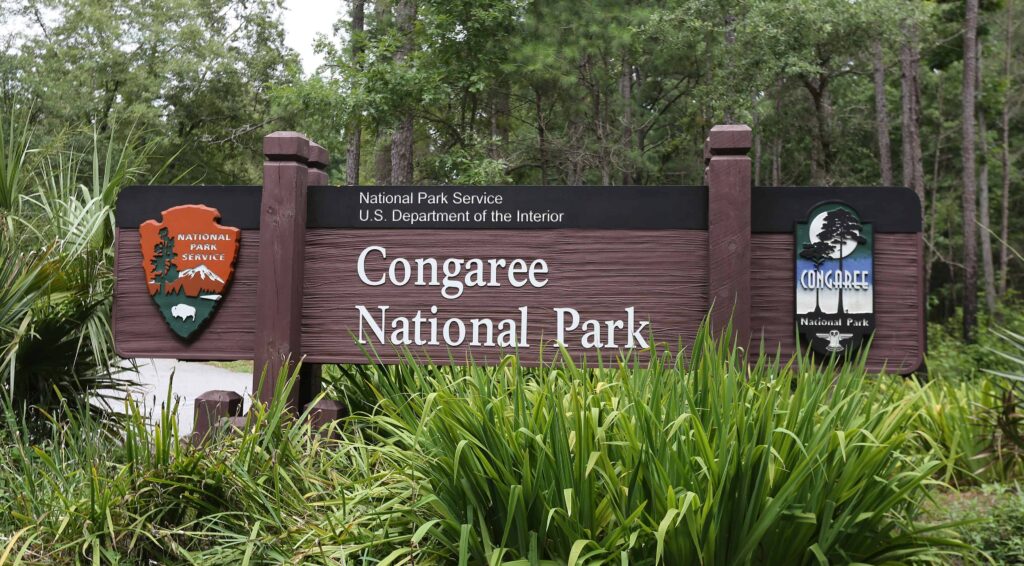
Deep in South Carolina lies a primeval forest that feels like a journey back in time. Congaree National Park protects one of the last remaining tracts of old-growth bottomland hardwood forest in North America. Here, you can walk among some of the tallest trees on the East Coast, known as “champion trees.” Elevated boardwalks wind through the swampy landscape, taking you past giant cypress and tupelo trees whose roots disappear into the dark, reflective waters of the Congaree River.
Practical Tips for Visiting Remote National Parks
Visiting these parks isn’t like a trip to your local state park. It requires a different level of planning and self-reliance.
Be Self-Sufficient
Many of these parks have no services: no stores, no restaurants, and sometimes not even a ranger station. You must bring everything you need with you. This includes a comprehensive first-aid kit, extra food and water, and all the necessary gear for your planned activities and for unexpected changes in weather.
Know Your Physical Limits
These parks often involve strenuous activity, whether it’s hiking at high altitudes in Great Basin, kayaking the cold waters of Lake Superior, or navigating the trail-less terrain of Alaska. Be honest about your fitness level and experience, and choose activities that are well within your abilities.
Plan for Zero Cell Service
Do not expect to use your phone. In most of these parks, you will have no cell service. For safety, especially if you are venturing into the backcountry, it is highly recommended to rent or buy a satellite messenger or a personal locator beacon (PLB). These devices allow you to send pre-set messages or trigger an SOS signal in a true emergency.
Be Wildlife Aware
Wildlife encounters are a major part of the experience in these parks. From the bears of Alaska to the moose of Isle Royale, it’s a privilege to see these animals in their natural habitat. Before you go, learn about the local wildlife. Practice safe food storage by using bear-resistant containers, and always keep a respectful and safe distance.
Staying Healthy in the Wilderness
When you’re miles from the nearest town, even a minor health issue can become a serious problem. Preparation is key.
What to Do If You Get Sick or Injured
A sprained ankle, a severe stomach bug, or a deep cut can be much more challenging to manage in a remote setting. If you can get to a place with a signal (like a ranger station or back in a gateway town) a video consultation with a doctor can be a crucial first step. An app like Air Doctor can connect you with a medical professional who can help you assess the severity of the situation, advise on first aid, and help you decide if you need to evacuate for further treatment. It provides a vital link to medical advice when you’re miles from the nearest clinic.
In Short
- The least-visited parks offer incredible rewards of solitude and pristine nature.
- Remoteness is the main reason for low visitor numbers, so plan your logistics carefully.
- Be self-sufficient: pack extra food, water, and a comprehensive first-aid kit.
- Plan for no cell service and consider a satellite communication device for emergencies.
- Have a plan for getting medical advice or help if you get sick or injured.
About Air Doctor
With the Air Doctor app in your pocket, you can access medical care and receive expert medical guidance anywhere you travel.
Air Doctor offers a wide range of benefits, including:
- A global network of multi-lingual doctors and specialists
- Choice of clinic, at-home (hotel), and video consultations
- 24/7 multi-lingual support
- Transparent pricing and reviews
- Most common medical specialties, including cardiologists
FAQs
For the most remote Alaskan parks like Gates of the Arctic or Kobuk Valley, hiring a guide or an air taxi service is highly recommended, as there is no infrastructure. For others like Great Basin or North Cascades, you can easily visit independently and explore marked trails.
This depends entirely on the park. The Alaskan parks have a very short summer season, typically from June to August. Dry Tortugas is best visited in the spring to avoid extreme heat and hurricane season. Great Basin has something to offer year-round, though high-elevation roads close in winter.
Yes! If you are well-prepared. This means having the right gear, being realistic about your skills and fitness level, understanding the risks (like weather, wildlife, and terrain), and having a solid emergency plan.