If you’ve heard that Europe is getting rid of passport stamps, you’re not imagining things.
The European Union is introducing a new system that replaces traditional stamping with digital tracking using biometrics. For a lot of travelers, that sounds a bit confusing, maybe even a little worrying.
The good news is this: it’s actually quite simple once you understand it.
You won’t need to do anything complicated. The main difference is how your entry and exit are recorded when you travel.
Here’s what’s changing, when it’s happening, and what it means for your next trip.
What Is The New EU Biometrics System?
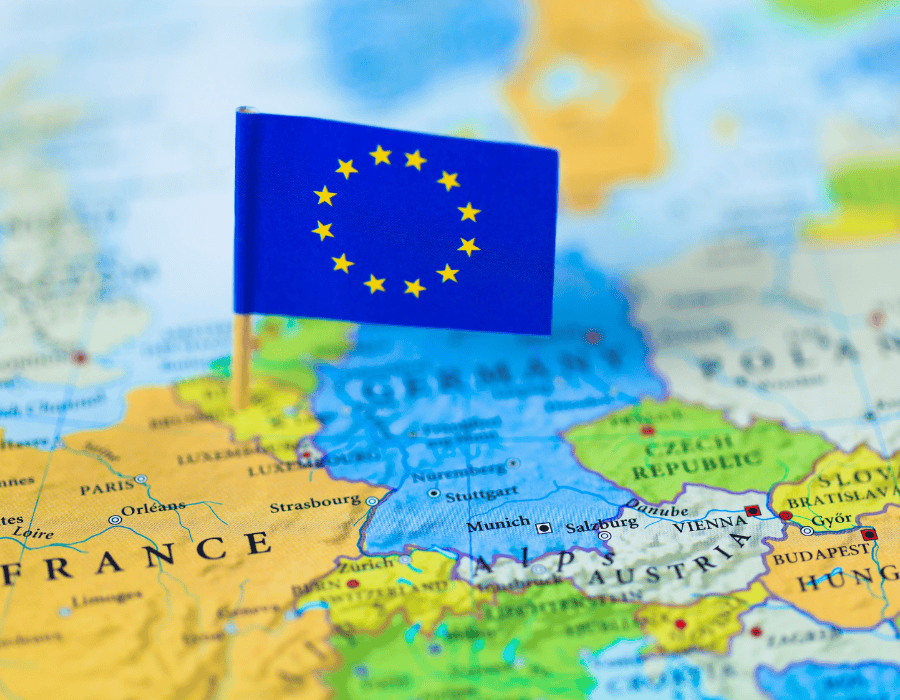
The new system is designed to modernize how borders work across Europe. Instead of stamping your passport, your travel details will be recorded digitally.
What Is the Entry/Exit System (EES)?
The Entry/Exit System (EES) is a new digital system that tracks when travelers enter and leave the EU.
Instead of a border officer stamping your passport, your information is stored electronically. This helps track how long visitors stay and makes border checks more efficient over time.
What Information Will Be Collected?
When you use the system, a few basic details will be recorded:
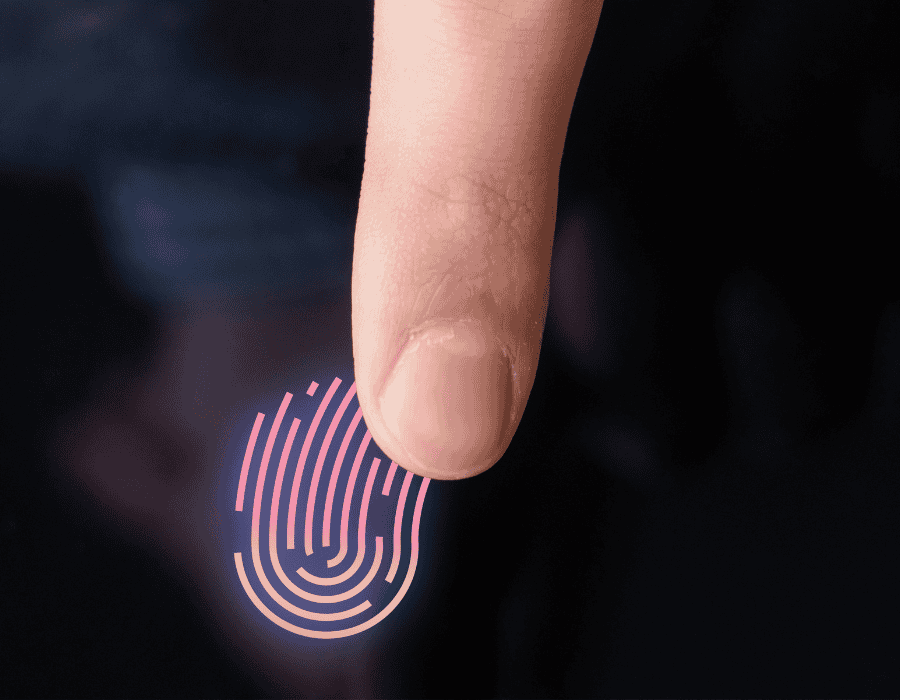
- fingerprints
- a facial image
- passport information
- your entry and exit dates
This might sound like a lot, but it’s similar to what many countries already do.
Why Is the EU Introducing This System?
There are a few reasons behind the change:
- to improve border security
- to track overstays more accurately
- to modernize and speed up border crossings
It’s mainly about making the system more reliable and consistent across all EU countries. While it makes the process smoother, it’s a bit sad that those physical stamps won’t be there anymore.
When Do EU Biometrics Start?
This is one of the biggest questions travelers have.
As of 10 April, 2026, the new biometrics system has rolled out, but is still expanding to other Schengen areas.
Who Does the EU Biometrics System Apply To?
This system doesn’t apply to everyone, so it’s important to know where you fit.
Non-EU Travelers
The system mainly applies to visitors from outside the EU.
This includes travelers from countries like:
- the United States
- the United Kingdom
- Canada
- Australia
If you currently travel to Europe without a visa, this system will apply to you.
Who Is Exempt
EU citizens are not affected by this system.
People with EU residency permits are also generally exempt.
What Happens at the Border Now?
The biggest change you’ll notice is at passport control.
First Time Using the System
The first time you enter the EU under the new system, the process may take a bit longer.
You’ll likely:
- have your fingerprints taken
- have your photo captured
- have your details recorded
This is a one-time setup that makes future trips easier.
Alternatively, you can download the Travel to Europe app, where you can register your biometric data before your trip at select border crossing points in Europe if you have a biometric passport. Currently, only Sweden and Portugal support the app.
Future Trips
After your first visit, things should move faster.
Your information will already be in the system, so border checks can be quicker and more automated.
No More Passport Stamps
This is the big change.
Your passport will no longer be stamped. Instead, everything is recorded digitally.
Will This Make Travel Faster or Slower?
The honest answer is: both, depending on timing.
Short-Term Impact
At the beginning, there may be some delays.
New systems take time to settle in, and border staff and travelers will need to get used to the process.
Long-Term Benefits
Over time, the system should make things smoother.
- faster processing
- less manual work
- more consistent checks
Once it’s fully up and running, travel should feel more streamlined.
Is the EU Biometrics System Safe?
It’s completely normal to wonder about this.
Data Security
The system is managed under strict EU data protection laws.
These are some of the strongest privacy regulations in the world, designed to protect personal information.
Privacy Concerns
Your data is only used for border control purposes.
It’s not shared freely or used for unrelated tracking. The goal is simply to manage entry and exit more effectively.
How This Affects Your Travel Plans
For most travelers, the changes are small.
What You Need to Bring
Nothing new.
You still just need your passport, just like before.
What Changes for You
The main differences are:
- no passport stamps
- biometric scans at the border
That’s it. Everything else stays largely the same.
Tips for a Smooth Experience
To make things easier:
- arrive a bit earlier than usual
- follow instructions at border control
- be patient during the early rollout
A little preparation goes a long way.
What About ETIAS? (Don’t Confuse the Two)
This is where a lot of confusion comes in.
What Is ETIAS?
ETIAS is a separate system.
It’s a travel authorization you may need to apply for before entering the EU, similar to the ESTA used in the US.
How It’s Different From EES
They do two different things:
- ETIAS = permission to travel before your trip
- EES = tracking your entry and exit at the border
You may need both, but they are not the same.
In Short
- Passport stamps are being replaced with a digital system
- The new system uses biometrics like fingerprints and photos
- It mainly applies to non-EU travelers
- The process may take longer at first
- Over time, it should make travel smoother and faster
About The Air Doctor App
With the Air Doctor app in your pocket, you can access medical care and receive expert medical guidance anywhere you travel.
Air Doctor offers a wide range of benefits, including:
- A global network of multi-lingual doctors and specialists
- Choice of clinic, at-home (hotel), and video consultations
- 24/7 multi-lingual support
- Transparent pricing and reviews
- Most common medical specialties, including cardiologists, gynecologists, and pediatricians
FAQs
Yes. Under the new system, stamps will be replaced by digital records.
No. The system works at the border, so you don’t need to sign up in advance.
At first, possibly. But over time, it should make the process faster.
Yes. The system is regulated under strict EU data protection laws.