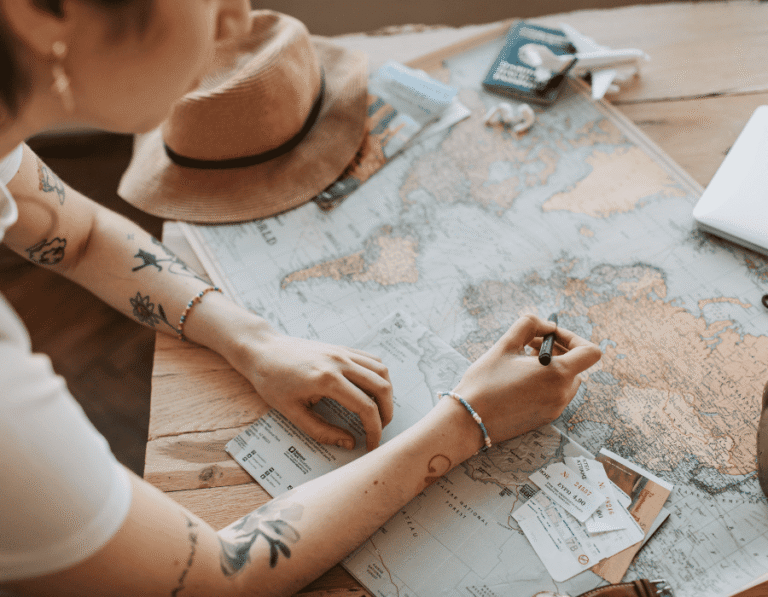
Spain is pure energy. It’s the taste of tapas shared with friends in a crowded bar, the sound of a flamenco guitar, the warmth of the sun on your skin, and the beauty of Moorish architecture against a brilliant blue sky. It’s a country that invites you to live fully, stay out late, and soak in every moment.
To enjoy all that vibrant culture, you want to feel your best. The last thing anyone wants is for a cold, a stomach bug, or too much sun to get in the way of their adventure. This guide is filled with simple, practical tips for staying healthy during your trip to Spain, so you can focus on the important stuff, like deciding what food to order next.
Simple Tips for a Healthy Trip
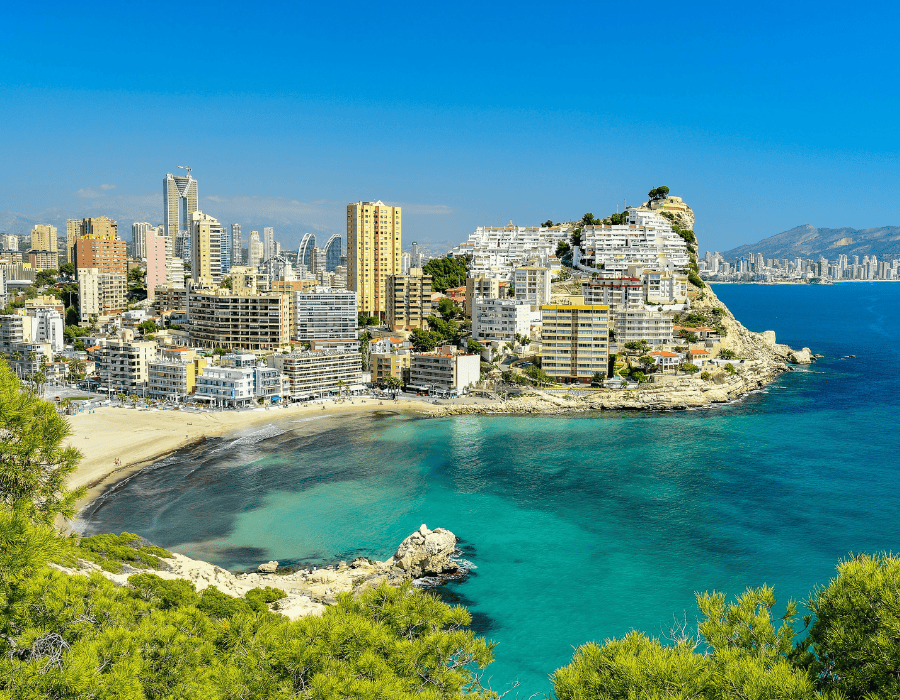
A few easy habits can make all the difference between a great trip and one spent feeling under the weather.
Handle the Heat: Sun and Hydration
The Spanish sun, especially from June to September, is no joke. It can be intense and catch you by surprise. The most important thing you can do for your health is to drink plenty of water throughout the day, more than you think you need. Carry a water bottle with you and refill it often. It’s also wise to use a high-SPF sunscreen, wear a hat, and seek out shade during the hottest part of the day, which is usually from about 2 PM to 5 PM.
Embrace the Spanish Pace of Life
You might notice that Spanish cities quiet down in the late afternoon. This is the siesta, and it’s a brilliant cultural habit that doubles as a health tip. Instead of trying to power through the midday heat, do as the locals do. Have a long lunch, go back to your hotel for a rest, or find a shady park bench. Conserving your energy during the hottest hours will mean you have more to enjoy the beautiful, lively evenings. Adapting to Spain’s later rhythm is the key to not burning out.
Food and Water Safety
Good news: the tap water in Spain is safe to drink in almost all cities and towns. It saves you money and plastic, so feel free to refill your bottle. When it comes to food, Spain is a culinary paradise. The best way to enjoy tapas is to head to the bars that are busy and full of locals. A crowded place means the food is fresh and turnover is high.
Watch Your Step on Cobblestone Streets
Part of the charm of Spanish cities is their beautiful, historic centers with winding, cobblestone streets. They are gorgeous to look at but can be tough on your feet. Pack a pair of comfortable, supportive shoes for walking. Your feet will thank you after a long day of exploring.
What to Do When You Feel Unwell: Your First Steps
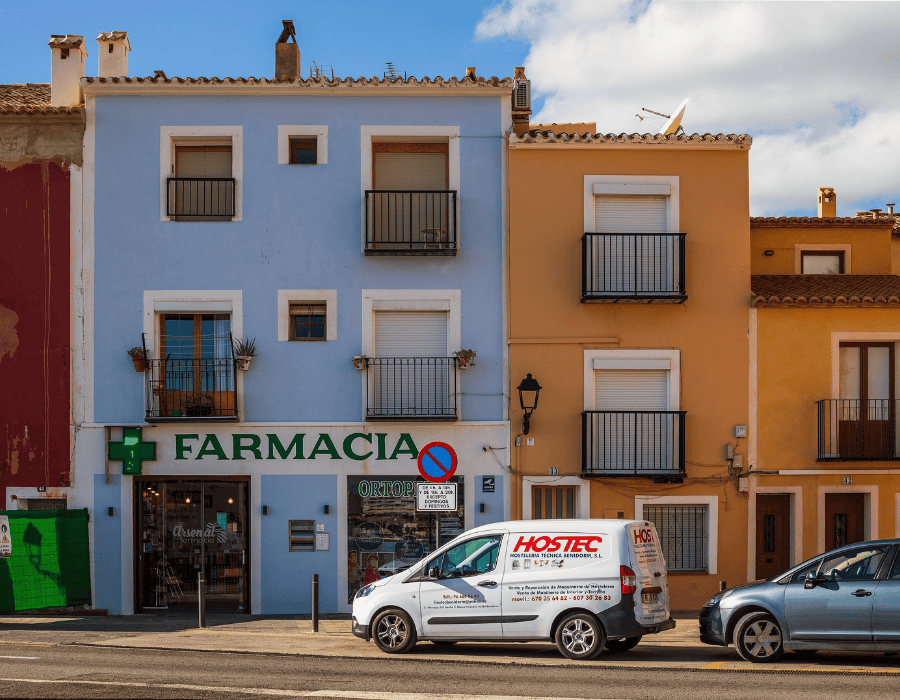
Okay, so despite your best efforts, you’re not feeling great. Don’t worry. Getting help in Spain is straightforward. Here’s what to do.
Start at the Pharmacy (Farmacia)
For any minor ailment (a cold, a headache, an upset stomach, or a blister from all that walking) your first stop should be a local pharmacy. Look for a sign with a green cross that says “Farmacia.”
Spanish pharmacists (farmacéuticos) are highly trained health professionals who can offer excellent advice for common issues. They speak English in most tourist areas and can recommend over-the-counter medications. For after-hours help, look for a notice on the door of any pharmacy. It will list the nearest pharmacy that is de guardia (on duty).
Finding a Doctor for Non-Emergencies
If you have an issue that needs a doctor’s diagnosis, like an infection that might need antibiotics or a fever that won’t go away, it’s time to find a doctor. You can go to a public health center (centro de salud), but for tourists, a private clinic (clínica privada) is often faster and more convenient, with a higher chance of English-speaking staff.
In an Emergency: Hospitals and Calling for Help
For a true emergency, you need to know who to call and where to go. The most important number to remember is 112. This is the universal emergency number across Europe. Operators speak English and can dispatch an ambulance or the police. In a serious situation, they will direct you to the nearest hospital emergency room, known as Urgencias.
A Quick Guide to the Spanish Healthcare System

Understanding the basics of the system will help you feel more in control if you do need care.
Public vs. Private Care
Spain has both a public healthcare system, which is excellent, and a private system. As a tourist, you can access either, but you will almost always find it easier and faster to use private clinics for non-emergency issues.
For EU Citizens: Using the EHIC
If you are an EU citizen, your European Health Insurance Card (EHIC) gives you access to the public healthcare system on the same terms as a Spanish citizen. It’s a great safety net for emergencies. However, remember that it does not cover private healthcare and it does not cover medical evacuation.
Healthcare on the Islands (Balearic & Canary)
This is a key tip for island-hoppers. Major islands like Mallorca, Ibiza, Tenerife, and Gran Canaria have large, modern hospitals. However, on smaller islands like Formentera or El Hierro, medical facilities will be much more limited. For any serious issue on a small island, you will likely need to be medically evacuated to a larger island or the mainland. This is why travel insurance with evacuation coverage is so important.
How Air Doctor Can Help in Spain
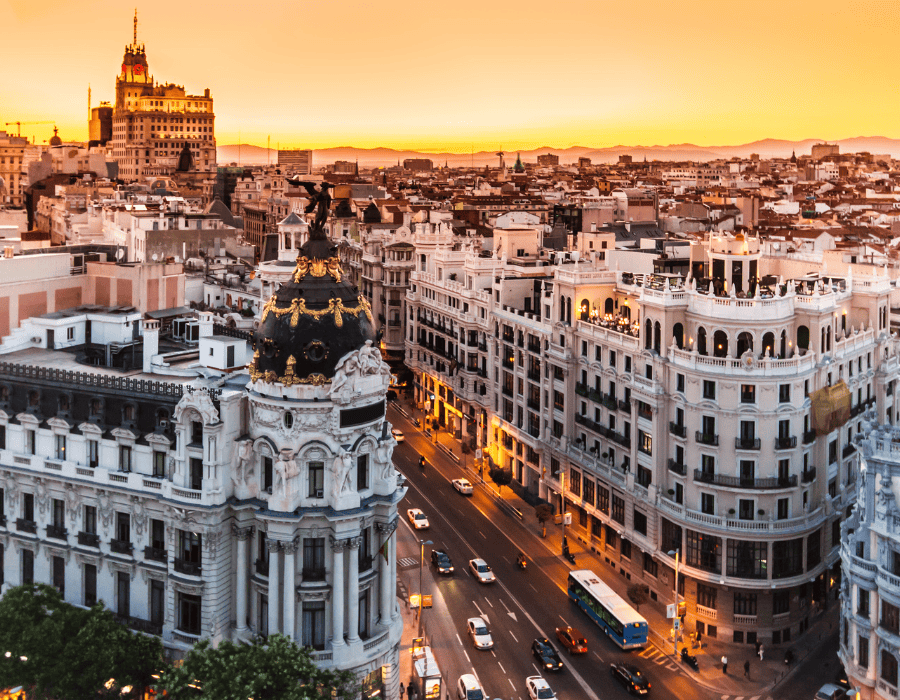
When you’re feeling sick in a new country, the last thing you want to do is waste time and energy figuring out where to go. Air Doctor takes the stress out of that process. The app helps you find a trusted, English-speaking doctor near you, whether you’re in Madrid, Barcelona, or on one of the islands. You can see reviews from other travelers and book an appointment directly.
For many common travel issues, the video consultation feature is a game-changer. You can talk to a doctor from your hotel room, get advice, and even have a prescription sent to a nearby pharmacy. It’s the easiest way to get care so you can get back to your trip.
In Short
- Drink plenty of water and stay out of the sun during the hot afternoon hours.
- For minor health problems, your first stop should be a local pharmacy (farmacia).
- In any emergency, dial 112.
- If you’re an EU citizen, your EHIC is useful for public care but does not replace travel insurance.
- Travel insurance with medical evacuation coverage is essential, especially if you are visiting the islands.
About Air Doctor
With the Air Doctor app in your pocket, you can access medical care and receive expert medical guidance anywhere you travel.
Air Doctor offers a wide range of benefits, including:
- A global network of multi-lingual doctors and specialists
- Choice of clinic, at-home (hotel), and video consultations
- 24/7 multi-lingual support
- Transparent pricing and reviews
- Most common medical specialties, including pediatricians and gynecologists
FAQs
Yes, the tap water is safe to drink in most of Spain, including all major cities and tourist areas. The only exception might be on some very small islands where bottled water is recommended.
Dial 112. This is the pan-European emergency number that will connect you to the police, ambulance, and fire services. Operators can assist you in English.
Yes, it is highly recommended. The EHIC only covers you in the public system and does not cover private care, medical evacuation, or repatriation. Travel insurance covers these critical gaps and gives you more options.
Yes, but the level of care varies. Major islands like Mallorca and Tenerife have excellent hospitals, but smaller islands will only have basic clinics. For any serious medical issue, you will likely be transferred to a larger hospital.