Japan in August can feel like stepping into a beautiful, vibrant painting. But beneath the surface of ancient traditions and lively festivals lies a very practical reality for travelers. Obon, one of Japan’s most significant holidays, transforms the country into a bustling hub of domestic travel. It’s a time of intense heat, crowded transport, and many local businesses closing their doors.
This might sound like a lot to navigate, but with a little preparation, you can enjoy the unique atmosphere of Obon while staying comfortable and healthy. This guide will help you understand what to expect and how to handle the challenges so you can make the most of your trip.
What is Obon? A Quick Guide for Travelers
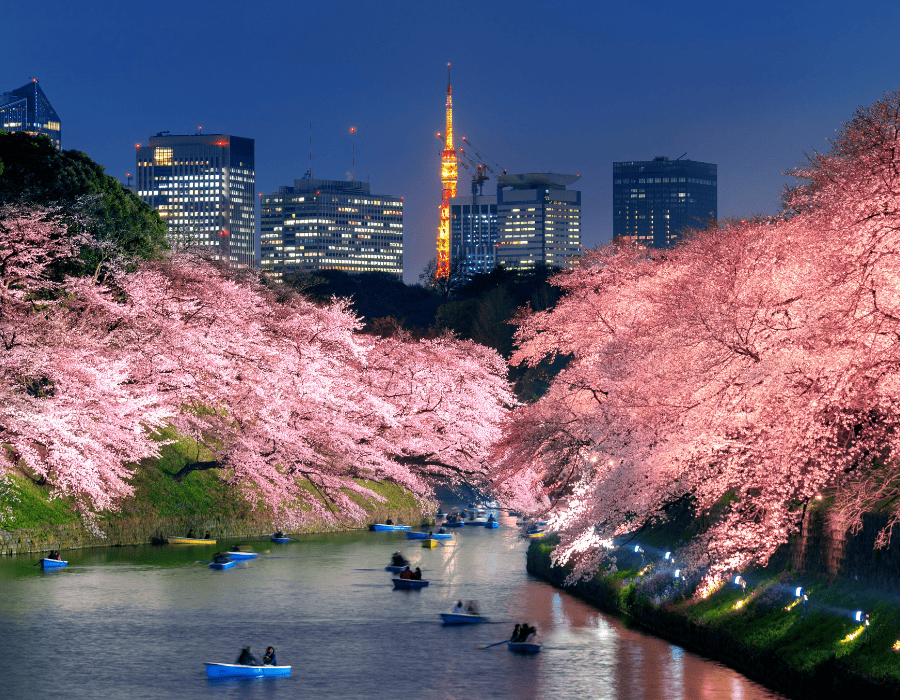
Obon is a traditional Japanese festival dedicated to honoring the spirits of ancestors. Families gather, clean graves, and perform rituals to welcome back the spirits of their loved ones. It’s a deeply cultural and spiritual time, marked by lanterns, special dances (Bon Odori), and a general sense of reflection.
For travelers, it’s important to know that Obon is also one of Japan’s three major domestic travel seasons, alongside Golden Week and New Year. Millions of people travel back to their hometowns and ancestral villages. This means:
- Trains, especially long-distance bullet trains, are often fully booked and packed.
- Major transport hubs like Tokyo Station or Shin-Osaka Station can be overwhelmingly crowded.
- While tourist attractions might still be busy, some business districts in major cities can feel unusually quiet as locals leave for their family homes.
Obon typically takes place in mid-August, though the exact dates can vary slightly by region. It usually falls around August 13th to 15th, with the travel period extending before and after these dates.
The Biggest Challenge: The Intense Japanese Summer Heat
If you’re visiting Japan in August, the heat is likely to be your most significant health concern. Summer in Japan is not just warm; it’s often very hot and humid, with temperatures frequently above 30°C (86°F) and high humidity, making it feel even hotter.
Know the Signs of Heat Exhaustion
It’s important to recognize the early signs of heat exhaustion so you can act quickly. Symptoms often include:
- Dizziness or lightheadedness
- Headache
- Heavy sweating
- Nausea or vomiting
- Muscle cramps
- Weakness or fatigue
If you or someone you’re with experiences these symptoms, move to a cool place, drink fluids, and rest.
How to Stay Cool and Hydrated
Staying comfortable and safe in the Japanese summer heat requires a proactive approach.
- Drink plenty of fluids. Water is essential, but also consider popular Japanese sports drinks like Pocari Sweat or Aquarius. These help replenish electrolytes lost through sweating.
- Carry a small towel (tenugui). Many locals carry small towels to wipe away sweat, and it’s a practical habit to adopt. They are easily found and can be dampened with cool water for quick relief.
- Seek out air-conditioned spaces. Don’t hesitate to duck into department stores, cafes, convenience stores, or underground malls for a cool break. Japan’s excellent air conditioning in public spaces is a lifesaver.
- Use cooling wipes and sprays. These refreshing products are widely available in convenience stores, pharmacies, and even supermarkets. They can provide instant relief on a hot day.
- Wear light, breathable clothing. Opt for loose-fitting clothes made from natural fibers.
- Use a parasol or hat. Protect yourself from direct sunlight, especially during the hottest parts of the day.
Navigating Crowds and Long Travel Days
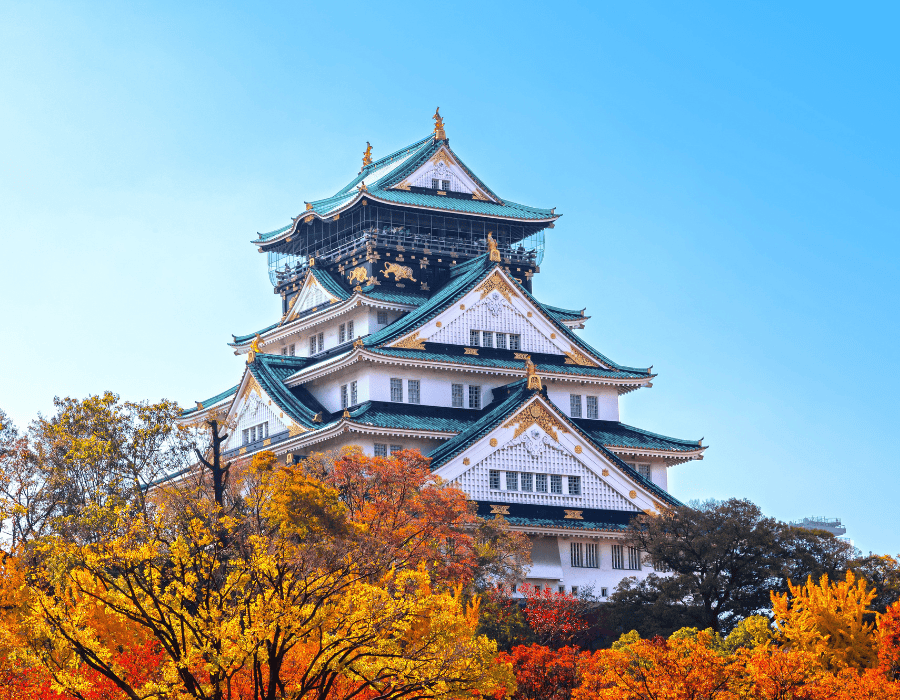
Obon travel can take a physical toll. The sheer volume of people combined with the summer heat can make even simple journeys feel draining.
Dealing with Travel Fatigue
Navigating packed train stations, standing on crowded trains, and walking through bustling streets can be exhausting. It’s easy to feel rushed or overwhelmed during Obon.
- Avoid over-scheduling. Try not to cram too many activities into one day.
- Build in downtime. Allow for breaks in air-conditioned cafes or quiet parks.
- Prioritize rest. Ensure you get enough sleep, especially if you’re contending with jet lag.
Being well-rested helps you handle unexpected delays or busy environments with more ease.
Avoiding Minor Illnesses
Being in close proximity to many people, especially in crowded trains and public spaces, can increase your chances of catching a common cold or other minor illnesses.
- Carry hand sanitizer. Use it frequently, especially after touching handrails or public surfaces.
- Wear a mask. If you’re concerned about airborne germs, wearing a mask in crowded indoor spaces is a common and accepted practice in Japan.
What to Do If You Get Sick: The Obon Problem
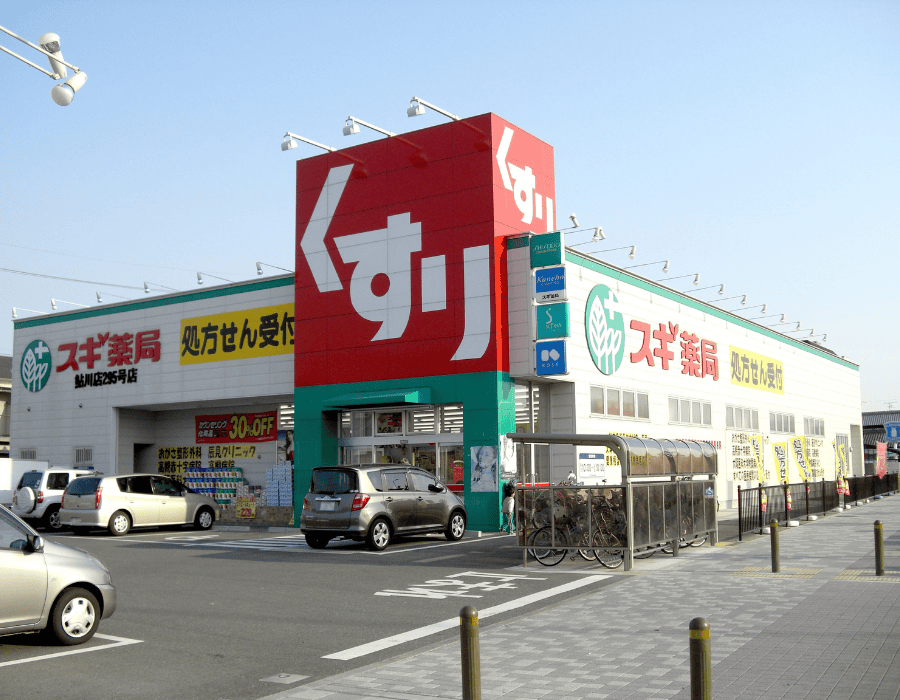
One of the biggest concerns for travelers during Obon is accessing medical care, especially if you need non-emergency attention.
The Main Issue: Many Local Clinics Are Closed
During the Obon holiday period, many regular neighborhood doctors’ offices and smaller clinics close for several days. This allows staff to return to their hometowns and spend time with their families. For a traveler needing to see a doctor for a non-urgent issue, this can be a significant hurdle. Finding an open clinic might prove difficult and stressful.
Your First Stop: The Pharmacy (薬局)
For minor issues like a cold, headache, upset stomach, or minor cuts, your best first step is often a pharmacy (薬局 – yakkyoku). Japanese pharmacists are knowledgeable and can recommend effective over-the-counter medications. Many pharmacies, particularly in larger cities and tourist areas, may have staff who speak some English.
Common products for travelers include:
- Pain relievers: For headaches or muscle aches.
- Cold and flu remedies: Various options for runny noses, coughs, and sore throats.
- Stomach medicines: For indigestion or mild upset stomachs.
- Cooling patches/sprays: Useful for heat relief.
Finding a Doctor or Hospital
For anything more serious than a minor ailment, you will need to find a clinic or hospital that is open. Large, general hospitals usually have emergency departments that remain open throughout Obon, but they can be very busy. Navigating the Japanese healthcare system as a visitor, especially during a holiday, can be challenging due to language barriers and unfamiliar procedures.
How Air Doctor Can Help During the Obon Holiday
This is where Air Doctor can be particularly useful. Instead of trying to locate an open clinic on your own or navigate a busy emergency room, Air Doctor provides a practical solution to the “clinic closure” problem.
The Air Doctor app helps you find vetted, English-speaking doctors who are available, even during a holiday period like Obon. You won’t have to worry about language barriers or whether a clinic is open.
A video consultation can be especially convenient. This allows you to get medical advice quickly from the comfort of your hotel room, without the added stress of trying to navigate crowded public transport to find a clinic that might be closed. It offers peace of mind and efficient care when you need it most.
In Short
- Obon in mid-August is one of Japan’s busiest travel times, so expect crowds and packed trains.
- The summer heat is a serious risk; stay hydrated and seek air conditioning often.
- Many local doctors’ clinics will be closed for the Obon holiday, making non-emergency care harder to find.
- For minor issues, start by visiting a pharmacy for over-the-counter remedies.
- For anything more serious, have a plan for finding an open hospital or use a service like Air Doctor for easier access to medical professionals.
About Air Doctor
With the Air Doctor app in your pocket, you can access medical care and receive expert medical guidance anywhere you travel. Air Doctor offers a wide range of benefits, including:
- A global network of multi-lingual doctors and specialists
- Choice of clinic, at-home (hotel), and video consultations
- 24/7 multi-lingual support
- Transparent pricing and reviews
- Most common medical specialties, including GPs, gynecologists, and ophthalmologists
FAQs
Obon is a traditional Japanese Buddhist custom to honor the spirits of one’s ancestors. It typically takes place in mid-August, usually around the 13th to the 15th, although exact dates can vary by region.
August can be challenging due to the intense heat and humidity, as well as the Obon holiday travel rush. However, if you prepare for the heat and crowds, it can still be a culturally rich experience.
Many major shops, restaurants, and tourist attractions remain open during Obon. However, smaller, local businesses and especially medical clinics may close for a few days as staff travel to their hometowns.
Stay hydrated with water and sports drinks, seek out air-conditioned spaces, use cooling wipes, carry a small towel to wipe sweat, and dress in light, breathable clothing.