Thinking about getting sick is the last thing anyone wants to do while planning a trip to Portugal. The idea of navigating a foreign healthcare system can feel stressful, especially when you don’t know where to start or who to call.
The good news is that Portugal has a reliable healthcare system, and for travelers, it’s much more straightforward than you might think. With a little preparation, you can feel confident knowing what to do if you or a family member needs medical attention.
This guide will walk you through the basics of healthcare in Portugal, from simple pharmacy visits to finding a doctor, so you can focus on enjoying the pastel de nata and beautiful coastlines.
Understanding Portugal’s Healthcare System
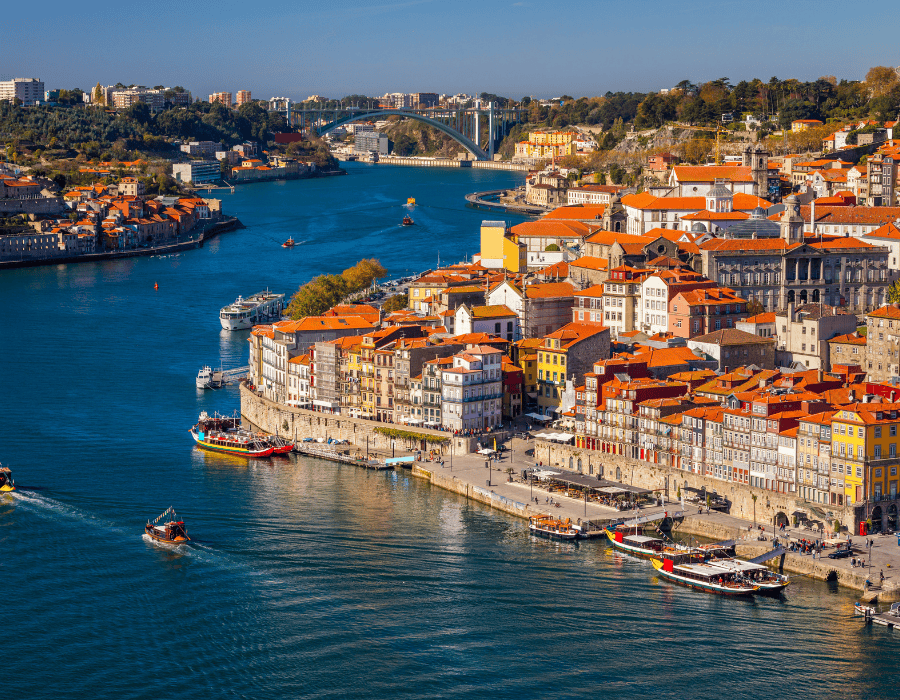
Portugal has a national public health service, the Serviço Nacional de Saúde (SNS), which is similar to the NHS in the UK. Alongside the public system, there is also a robust network of private doctors, clinics, and hospitals.
For tourists, this means you have options. While the public system is available, especially for emergencies, many travelers find it easier to use private healthcare. Private facilities often have shorter wait times and a higher likelihood of English-speaking staff, which can make a stressful situation feel more manageable.
Pharmacies in Portugal (Farmácias)
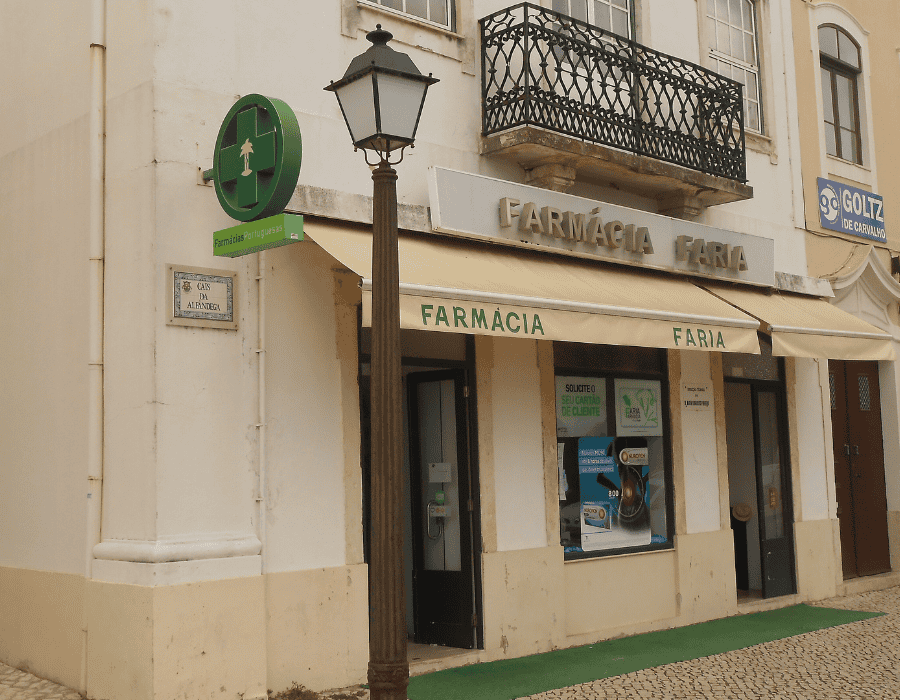
For minor health issues, your first stop should almost always be a local pharmacy, or farmácia. You can spot them easily by the bright green cross sign that is universally used across Europe.
Pharmacists in Portugal are highly trained professionals who can offer advice on a wide range of common ailments like colds, minor cuts, stomach upset, or allergies. They can provide over-the-counter medications and help you decide if you need to see a doctor. Many pharmacies, especially in cities and tourist areas, have at least one staff member who speaks English.
Finding a Doctor in Portugal
If you need to see a doctor for a non-emergency issue, you have a few choices.
Public Health Centers (Centros de Saúde)
These are the local public clinics that residents use. While available, they can have long wait times, and you may encounter a language barrier. This option is most practical for EU citizens carrying a valid European Health Insurance Card (EHIC).
Private Clinics and Doctors
For most travelers, visiting a private clinic is the most direct path to seeing a doctor. Appointments can often be made for the same day, and many private practices cater to international visitors with multi-lingual staff.
Telemedicine and House Calls
Modern services have made it even easier to get medical advice without leaving your hotel. Telemedicine allows you to have a video consultation with a doctor, which is perfect for simple diagnoses or getting a prescription. Some services also arrange for a doctor to visit you directly. For travelers, an app like Air Doctor can simplify this process, helping you find and connect with a local, multi-lingual doctor for a clinic, video, or at-home consultation.
Hospitals and Emergency Care in Portugal

For serious medical issues or life-threatening situations, you should go to a hospital emergency room (Urgências).
You will find both public and private hospitals in Portugal. Public hospitals will treat any emergency, but you will likely be billed for the service as a tourist. Private hospitals offer emergency care as well and are often preferred by travelers with comprehensive travel insurance.
The national emergency number for Portugal is 112. This single number connects you to ambulance, police, and fire services. An operator will be able to assist you in English.
Do I Need Travel Insurance for Portugal?

Yes. While not always a mandatory requirement for entry, traveling to Portugal without travel insurance is highly discouraged. Healthcare costs can be expensive, and insurance provides a critical safety net.
For citizens of the EU, EEA, and Switzerland, a European Health Insurance Card (EHIC) grants access to the public healthcare system on the same basis as a Portuguese citizen. This can reduce costs but does not cover everything, and it does not cover private healthcare.
For all other travelers, travel insurance is essential. A good policy typically covers:
- Emergency medical and dental treatment
- Hospital stays
- Ambulance costs
- Medical evacuation if needed
What to Expect for Healthcare Costs
Costs for healthcare in Portugal are generally lower than in countries like the United States but can still be significant for an unprepared traveler.
Payment is typically expected at the time of service, especially at private clinics. Always keep detailed receipts and documentation for any medical care you receive. This paperwork will be essential for filing a claim with your travel insurance provider when you return home.
Here is a general idea of what you might expect to pay for private care without insurance:
| Service | Estimated Cost (EUR) |
|---|---|
| Standard Doctor Visit | €50 – €100 |
| Specialist Consultation | €80 – €150 |
| Emergency Room Visit | €150+ (initial fee) |
| House Call (Hotel Visit) | €100 – €200 |
Note: These are estimates and can vary by location and clinic.
Staying Healthy While Traveling in Portugal
A few simple habits can help you avoid common travel-related health issues.
- Sun and Hydration: The Portuguese sun can be strong, even on cloudy days. Use sunscreen, wear a hat, and drink plenty of water, especially during the warm summer months.
- Navigating the Streets: Portugal is famous for its beautiful but uneven cobblestone streets. Wear comfortable, sturdy shoes to avoid slips and twisted ankles, particularly in hilly cities like Lisbon and Porto.
- Food and Water Safety: Tap water in Portugal is safe to drink. The food is generally of a very high standard, but as with travel anywhere, be mindful of street food that looks like it has been sitting out for a long time.
In Short
- Portugal has both public (SNS) and private healthcare options for travelers.
- Pharmacies are a good first stop for minor concerns and advice.
- Travel insurance is highly recommended for all non-EU visitors.
- EU citizens can use their EHIC for access to public healthcare.
- Know the emergency number (112) for serious situations.
- Staying hydrated and protecting against sun exposure are key.
About Air Doctor
With the Air Doctor app in your pocket, you can access medical care and receive expert medical guidance anywhere you travel.
Air Doctor offers a wide range of benefits, including:
- A global network of multi-lingual doctors and specialists
- Choice of clinic, at-home (hotel), and video consultations
- 24/7 multi-lingual support
- Transparent pricing and reviews
- Most common medical specialties, including cardiologists, gynecologists, and pediatricians
FAQs
Healthcare is generally not free for non-EU tourists. You will typically be charged for services at both public and private facilities. EU citizens with a valid EHIC card can access the public system under the same conditions as Portuguese nationals, which may involve some co-payments.
Many doctors in Portugal speak English, especially in private clinics and major cities like Lisbon and Porto. However, it’s not a guarantee, particularly in more rural public health centers.
The single emergency number for ambulance, police, and fire services in Portugal and across the EU is 112. Operators can typically assist callers in English.
Yes, you can get prescriptions from your home country filled at a Portuguese pharmacy (farmácia). It is always helpful to carry a copy of the original prescription. For certain medications, a pharmacist may require you to see a local doctor to issue a Portuguese prescription.