Perimenopause is a natural phase of life, but it can bring a surprising array of changes that might leave you feeling like you’re not quite yourself.
So, What Is Perimenopause?

In simple terms, perimenopause is the transitional period before menopause. It’s the time when your body begins to shift gears, preparing for the end of your reproductive years. During this phase, your ovaries gradually produce less estrogen, leading to hormonal fluctuations that can affect your body and mind in various ways.
This transition is a natural process, not a disease. For most women, it begins in their 40s, but it can start as early as the late 30s or as late as the early 50s. The duration of perimenopause varies widely, lasting anywhere from a few years to over a decade.
Understanding the “34 Symptoms”
You may have heard about the “34 symptoms” of perimenopause, and the list can feel overwhelming. The good news is that most women won’t experience all of them. Think of this list as a guide to help you understand the changes you might be noticing, not a checklist of what’s to come.
We’ve grouped the symptoms into categories to make them easier to navigate. This is about providing clarity, not creating alarm, so you can feel more informed and in control.
Menstrual and Vasomotor Symptoms
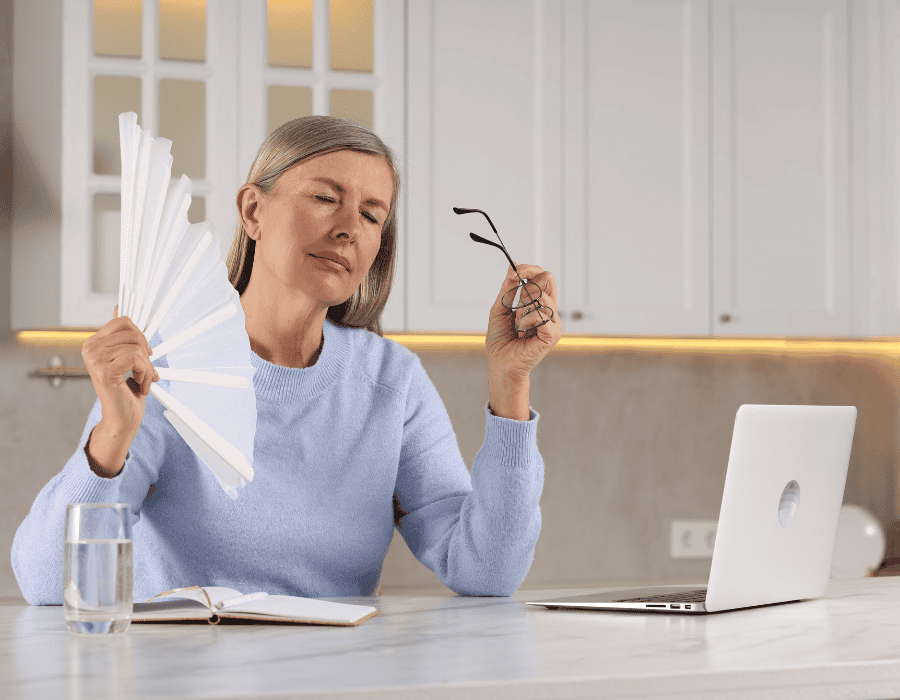
These are often the earliest and most recognized signs of perimenopause, directly related to fluctuating hormones and their effect on your body’s internal thermostat and reproductive system.
- Irregular periods
Your menstrual cycle may become longer or shorter than usual. You might skip a period altogether or have cycles that are unpredictable. - Changes in menstrual flow
Bleeding can become much heavier or surprisingly lighter than you’re used to. - Hot flashes
A sudden, intense feeling of heat spreads through your upper body and face, often lasting for a few minutes. - Night sweats
These are essentially hot flashes that happen while you sleep, often causing you to wake up drenched in sweat. - Loss of libido
A decrease in your sex drive is common due to hormonal changes and other symptoms like fatigue or vaginal dryness. - Vaginal dryness
Lower estrogen levels can cause thinning and drying of vaginal tissues, leading to discomfort or pain during sex. - Breast soreness
Your breasts might feel tender, swollen, or achy, similar to premenstrual symptoms but occurring more erratically.
Mood and Cognitive Symptoms
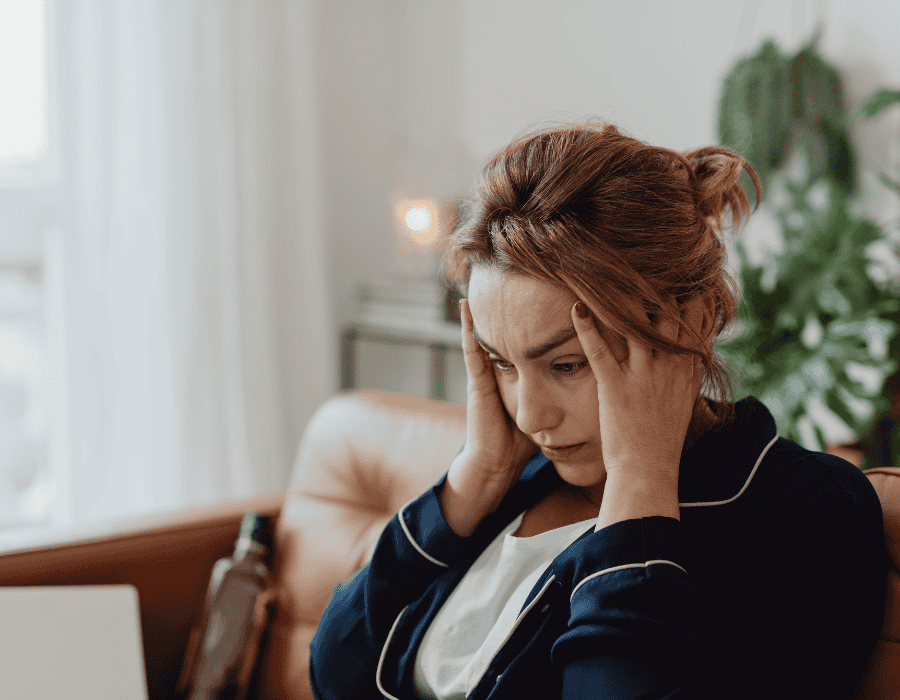
Hormonal shifts don’t just affect the body; they can also have a significant impact on your mental and emotional well-being. Many women report feeling that their mind and moods are less predictable during this time.
- Mood swings
You might experience rapid shifts in your emotions, feeling happy one moment and tearful or upset the next without a clear reason. - Irritability
Small things that never bothered you before might now cause feelings of frustration or anger. - Anxiety
New or increased feelings of worry, nervousness, or unease can appear, sometimes without an obvious trigger. - Depression or feelings of sadness
A persistent low mood, loss of interest in activities you once enjoyed, and a general feeling of hopelessness can be linked to hormonal changes. - Panic attacks
Some women experience sudden, overwhelming episodes of intense fear accompanied by physical symptoms like a racing heart, shortness of breath, or dizziness. - Difficulty concentrating (brain fog)
You might find it hard to focus, follow conversations, or stay on task. It often feels like your thoughts are cloudy. - Memory lapses
Forgetting names, appointments, or why you walked into a room can become more frequent.
Aches, Pains, and Energy Levels

Fluctuating hormones can affect your energy, sleep, and how your body feels day to day. Many women notice new aches and a sense of pervasive tiredness that they can’t just sleep off.
- Fatigue or decreased energy
A deep, persistent tiredness that isn’t always relieved by rest. It can feel like you’re constantly running on empty. - Insomnia or difficulty sleeping
You may have trouble falling asleep, staying asleep, or find yourself waking up much earlier than you’d like. - Headaches
An increase in the frequency or intensity of headaches can be linked to fluctuating estrogen levels. - Migraines
For some, perimenopause can trigger migraines for the first time or make existing ones worse. - Joint pain
Aches, stiffness, and soreness in the joints are common, as estrogen plays a role in managing inflammation. - Muscle tension
You might notice increased tightness and soreness in your muscles, particularly in the neck, shoulders, and back.
Changes in Skin, Hair, and Body
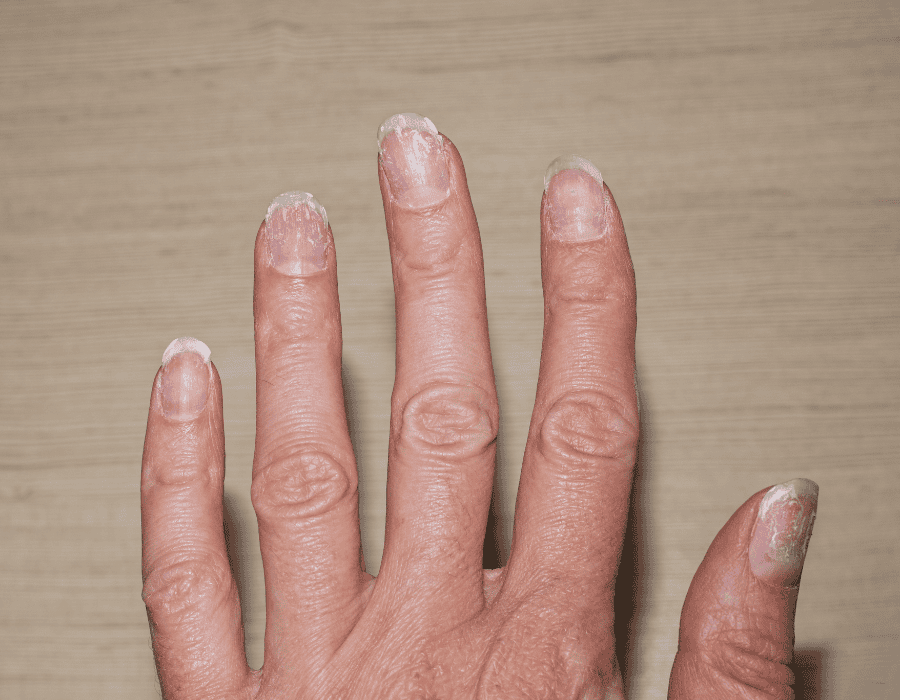
Lowering estrogen levels can affect collagen production and fat distribution, leading to visible changes in your skin, hair, nails, and overall body composition.
- Weight gain
Metabolic changes can make it easier to gain weight, particularly around the abdomen, even without changes in diet or exercise. - Thinning hair
You may notice more hair shedding than usual or see that your hair is becoming finer. - Dry, itchy skin
A decrease in collagen and oil production can leave your skin feeling dry, flaky, and itchy. - Acne
Hormonal fluctuations can trigger breakouts, similar to what you might have experienced as a teenager. - Brittle nails
Your nails may become weaker, splitting or breaking more easily than before. - Changes in body odor
Hormonal shifts, particularly increased sweating from hot flashes, can alter your natural body scent.
Other Common Perimenopause Symptoms

Beyond the more well-known signs, perimenopause can bring a range of other physical sensations that can be confusing or unexpected.
- Heart palpitations
A feeling that your heart is racing, fluttering, or skipping a beat. While often harmless, it’s always worth mentioning to a doctor. - Dizziness
Episodes of feeling lightheaded, unsteady, or as if the room is spinning can occur. - Bloating and digestive issues
Hormonal changes can affect your digestive system, leading to increased gas, bloating, and changes in bowel habits. - Bladder issues
You might feel the need to urinate more frequently or urgently. Some women also experience occasional leaks when coughing or sneezing. - Tingling extremities
A “pins and needles” sensation in your hands, feet, arms, or legs can sometimes occur. - Electric shock sensations
A strange, brief zapping sensation under the skin or in the limbs, thought to be related to hormonal effects on the nervous system. - Gum problems
Increased sensitivity, bleeding, or receding gums can be linked to lower estrogen levels. - Burning mouth syndrome
A painful, burning sensation in the tongue, lips, gums, or other areas of the mouth without any visible cause.
Tips for Traveling Comfortably During Perimenopause
Dealing with perimenopause symptoms away from home can be challenging, but a little preparation can make a big difference, whether you’re exploring the historic streets of Rome or relaxing on a beach in Mexico.
- Plan for medications. If you’re on Hormone Replacement Therapy (HRT) or other prescriptions, talk to your doctor before you go. Pack more than you need in case of delays, and always keep medications in your carry-on luggage. It’s also wise to carry a copy of your prescription and check the legality of your medication in your destination country.
- Dress in layers. This is crucial for managing hot flashes. A light cardigan can be easily removed during a wave of heat while navigating crowded subways in places like Japan, then put back on in a cool, air-conditioned shop.
- Stay hydrated. This simple step is essential for managing headaches and fatigue. For example, exploring the humid rainforests of Costa Rica or walking through ancient ruins requires more water than you might think. Carry a reusable bottle and sip throughout the day.
- Pace yourself. It’s tempting to pack your itinerary, but fatigue is a real factor. If you’re in a city like Rome, plan for a midday break at a café instead of trying to see everything at once. Listen to your body and build in time for rest.
Managing Symptoms, Especially While Traveling
Dealing with perimenopause symptoms can be challenging, especially when you’re away from home. A little preparation can make a big difference in how you feel.
- Dress in layers: This allows you to easily remove clothing during a hot flash, whether you’re on a plane or exploring a new city.
- Stay hydrated: Dehydration can worsen headaches, fatigue, and brain fog. Carry a reusable water bottle and sip throughout the day.
- Pack smart: Bring items that help you manage symptoms, like a portable fan, cooling wipes, or your preferred pain relievers.
- Pace yourself: Travel can be exhausting. Build rest time into your itinerary and don’t feel pressured to do everything. Listen to your body.
- Watch what you eat and drink: Spicy foods, caffeine, and alcohol can be triggers for hot flashes and digestive issues for some women.
When to Talk to a Doctor
If your symptoms are interfering with your daily life, it’s a good idea to speak with a healthcare professional. You don’t have to navigate this alone.
A doctor can help confirm whether your symptoms are related to perimenopause, rule out other medical conditions, and discuss management options that are right for you. This might include lifestyle adjustments, hormone therapy, or other treatments to help you feel your best.
Getting medical advice while traveling can feel stressful, but it doesn’t have to be. If you’re abroad and need to speak with a professional, Air Doctor can help connect you with trusted doctors, including gynecologists, for a clinic visit, video consultation, or even a visit to your hotel.
Why Healthcare Access Matters for Travelers With Perimenopause
Navigating perimenopause while traveling presents unique challenges. A symptom like heart palpitations or dizziness can feel much more alarming when you’re in an unfamiliar place. It can be difficult to tell if it’s “just” a perimenopause symptom or something more serious that requires medical attention.
This is where having easy access to healthcare provides peace of mind.
- Unexpected Flare-Ups: Symptoms can appear or worsen without warning, and trying to explain complex issues like “brain fog” or “burning mouth syndrome” through a language barrier is stressful.
- Medication Issues: Losing your medication or running out unexpectedly can be a major problem. You may need to see a local doctor to get a new prescription.
- Reassurance: Sometimes, you just need a professional to confirm that what you’re experiencing is normal and not a cause for alarm, so you can get back to enjoying your trip.
Air Doctor is designed for these exact situations. It connects you with a network of multi-lingual doctors and specialists around the world. Whether you need a quick video consultation for reassurance, need to find a gynecologist to discuss a prescription, or require a clinic visit, the app removes the stress of navigating a foreign healthcare system when you’re already feeling vulnerable.
In Short
- Perimenopause is the natural transition before menopause, marked by fluctuating hormones.
- It typically begins in your late 30s or 40s and can last for several years.
- Symptoms range from irregular periods and hot flashes to mood swings and fatigue.
- Most women will not experience all 34 symptoms.
- If you use HRT, plan ahead before traveling to ensure you have enough medication.
- If symptoms disrupt your daily life or feel alarming while traveling, talking to a doctor can provide clarity and support.
About The Air Doctor App
With the Air Doctor app in your pocket, you can access medical care and receive expert medical guidance anywhere you travel.
Air Doctor offers a wide range of benefits, including:
- A global network of multi-lingual doctors and specialists
- Choice of clinic, at-home (hotel), and video consultations
- 24/7 multi-lingual support
- Transparent pricing and reviews
- Most common medical specialties, including cardiologists, gynecologists, and gastroenterologists
FAQs
While many symptoms are classic signs of perimenopause, they can also overlap with other health conditions. The best way to know for sure is to speak with a doctor. They can review your symptoms, age, and medical history to make an accurate assessment.
The duration of perimenopause varies significantly for each woman. On average, it lasts about four years, but it can range from just a few months to over a decade.
Yes, absolutely. It’s very common for symptoms to fluctuate. You might have a few difficult months followed by a period where you feel completely normal. This unpredictability is a hallmark of the hormonal ups and downs during this phase.
For most women, perimenopause starts in their 40s. However, it’s not uncommon for it to begin in the late 30s or, for some, not until their early 50s. Every woman’s timeline is unique.