One of the biggest worries for any traveler is the thought of getting sick far from home. Different parts of the world come with their own unique environmental factors, from unfamiliar foods and climates to different types of insects.
Understanding the common health concerns of the region you’re visiting can make a huge difference. It allows you to prepare thoughtfully, pack smarter, and move through your trip with more confidence and less anxiety.
This isn’t about expecting to get sick. It’s about knowing how to stay healthy so you can focus on the experience.
Universal Tips for Staying Healthy While Traveling

No matter where you’re headed, a few fundamental habits can significantly reduce your risk of getting sick. These practices are the foundation of safe and healthy travel.
- Pre-Trip Check-Ups and Vaccinations: Before any international trip, it’s wise to speak with your doctor. They can advise you on necessary vaccinations or medications for your destination and ensure you have enough of any personal prescriptions.
- Food and Water Safety Fundamentals: Be mindful of what you eat and drink. Stick to bottled or purified water, avoid ice in drinks if you’re unsure of the water source, and favor hot, freshly cooked foods. Peelable fruits and vegetables are often safer choices.
- Packing a Simple Travel Health Kit: A small kit with essentials can be incredibly useful. Include basics like pain relievers, bandages, antiseptic wipes, motion sickness medication, and any personal medications you need.
Common Health Concerns in Sub-Saharan Africa

This vast and diverse continent offers unforgettable experiences, but it’s crucial to be well-informed about the health risks, particularly infectious diseases.
Malaria
Malaria is a serious, sometimes fatal, disease spread by infected mosquitoes. It’s prevalent in many parts of Sub-Saharan Africa. Protection involves a multi-pronged approach: consult your doctor about antimalarial medication (which type depends on the region you’re visiting), use strong insect repellent containing DEET, sleep under mosquito nets, and wear long sleeves and pants after dusk.
Yellow Fever
Yellow Fever is another mosquito-borne viral disease, and vaccination is often required for entry into many Sub-Saharan African countries. A single dose of the yellow fever vaccine provides lifelong protection. Ensure you receive this vaccine well before your trip, and carry your International Certificate of Vaccination or Prophylaxis (Yellow Card) as proof.
Food and Water-Borne Illnesses
Similar to other developing regions, food and water safety are paramount in Sub-Saharan Africa. Typhoid and cholera are risks, especially in areas with poor sanitation. Stick to bottled or boiled water, avoid raw or undercooked foods, and ensure all fruits and vegetables are peeled or thoroughly washed. Hand hygiene is exceptionally important here.
Common Health Concerns in Southeast Asia
This region is known for its incredible food, vibrant cities, and tropical landscapes. It’s also a place where heat, humidity, and different hygiene standards can pose challenges for travelers.
Traveler’s Diarrhea
An upset stomach is one of the most common issues for visitors. It’s often caused by consuming food or water contaminated with bacteria your body isn’t used to. To minimize your risk, eat at busy restaurants where food turnover is high, avoid raw or undercooked foods, and be cautious with street food unless it’s cooked fresh in front of you.
Mosquito-Borne Illnesses
Mosquitoes in Southeast Asia can carry illnesses like dengue fever. Since there is no vaccine for dengue, prevention is key. Use an effective insect repellent, wear long, loose-fitting clothing, especially during dawn and dusk when mosquitoes are most active, and consider staying in accommodations with air conditioning or mosquito nets.
Heat Exhaustion and Dehydration
The tropical climate can be intense. The combination of heat and humidity can easily lead to dehydration and heat exhaustion if you’re not careful. Drink plenty of water throughout the day, take breaks in the shade or air conditioning, and try to schedule strenuous activities for the cooler morning or evening hours.
Common Health Concerns in South & Central America
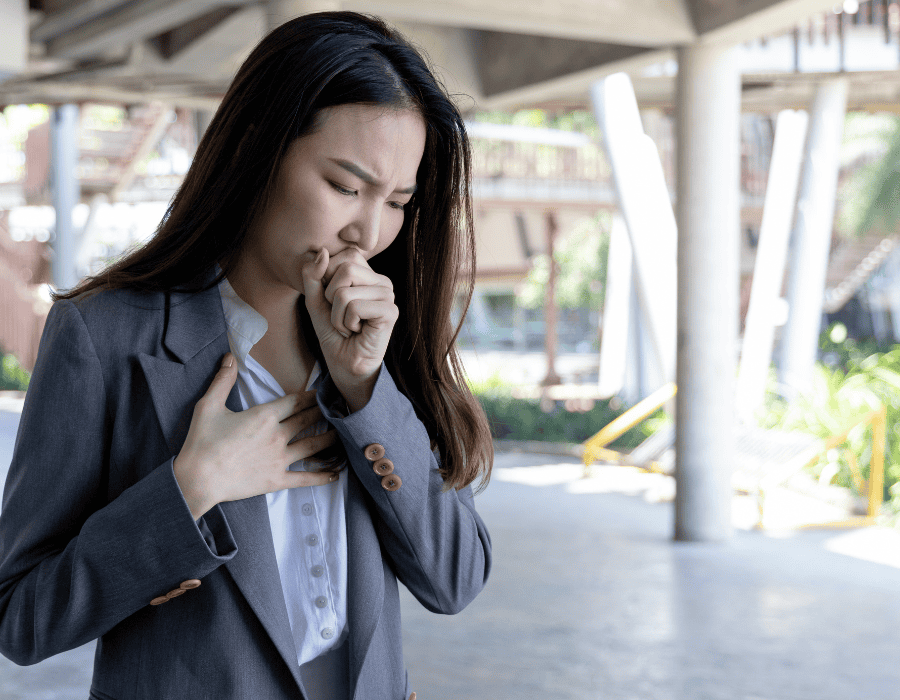
From high-altitude mountains to dense jungles, this diverse region offers incredible adventures. It also presents some specific health considerations to keep in mind.
Altitude Sickness
If you’re traveling to high-altitude destinations like Cusco in Peru or La Paz in Bolivia, altitude sickness is a real possibility. Symptoms can include headaches, nausea, and shortness of breath. To help your body adjust, ascend slowly, drink plenty of water, avoid alcohol, and allow yourself a day or two of rest before undertaking strenuous hikes.
Zika and Other Mosquito-Borne Illnesses
Similar to Southeast Asia, mosquitoes in parts of South and Central America can transmit diseases, including Zika. The prevention methods are the same: use insect repellent, cover up with long sleeves and pants, and sleep in protected spaces. This is particularly important for pregnant travelers or those planning to become pregnant.
Food and Water Safety
The rule of “boil it, cook it, peel it, or forget it” is a good guideline here. Beyond avoiding tap water, be cautious with uncooked sauces, fresh salads, and drinks from street vendors. Opting for bottled beverages and well-cooked meals from reputable restaurants can help you avoid common stomach issues.
Common Health Concerns in Europe & North America
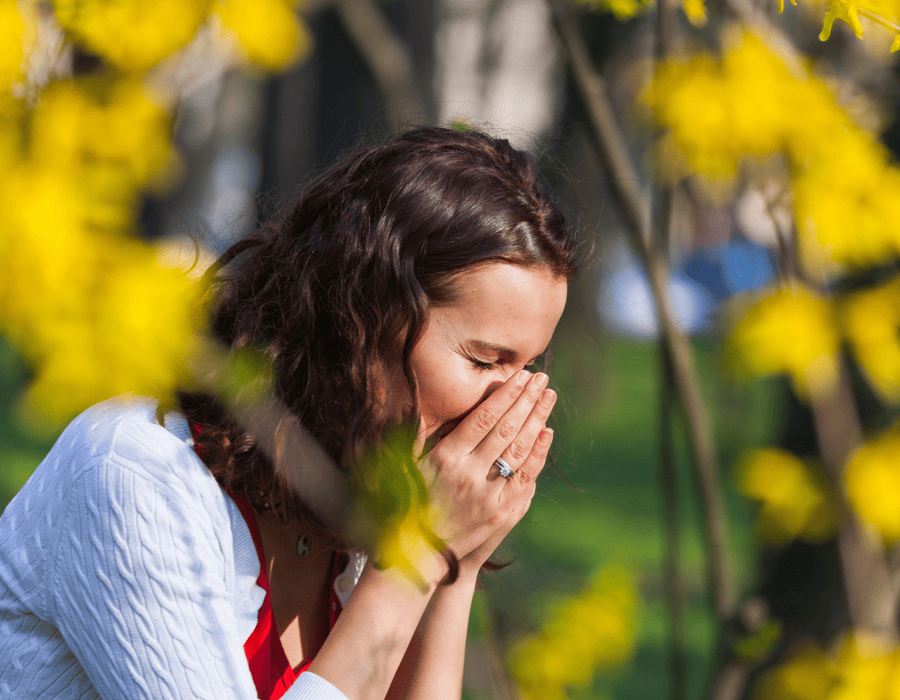
While generally considered lower-risk, these regions still have health concerns that travelers should be aware of, especially those related to climate and outdoor activities.
Tick-Borne Diseases
In many forested and grassy areas of North America and Europe, ticks can carry Lyme disease. If you plan on hiking or spending time in nature, wear long pants, use insect repellent containing DEET, and check your body for ticks afterward. Removing a tick promptly can significantly reduce the risk of infection.
Colds and Flu
Colds and flu are common everywhere, but the risk can increase when you’re in crowded cities, using public transportation, or on long flights. Frequent hand washing or using hand sanitizer is one of the simplest and most effective ways to stay healthy.
Allergies and Hay Fever
If you suffer from seasonal allergies, be aware that pollen seasons can vary by region. A new environment can trigger unexpected allergy symptoms. It’s a good idea to pack your preferred allergy medication, even if you don’t expect to need it.
What to Do If You Get Sick Abroad
Even with the best preparation, sometimes you just get sick. Knowing what to do can make a stressful situation feel more manageable.
For minor issues like a mild cold or a slight upset stomach, rest and hydration may be all you need. However, if you have a high fever, persistent diarrhea, a concerning rash, or any other serious symptoms, it’s important to see a doctor.
Trying to find a reliable doctor in another country can be daunting, especially if there’s a language barrier. This is where telemedicine and traveler-focused services can be a huge help. Using an app like Air Doctor allows you to connect with a trusted, multi-lingual doctor for a video consultation or an in-person visit, taking the guesswork and stress out of the process.
In Short
Being prepared is the best way to stay healthy while traveling.
- Always start with universal health practices: get pre-trip advice, be mindful of food and water, and wash your hands often.
- In Southeast Asia, focus on preventing traveler’s diarrhea, mosquito bites, and dehydration.
- In South and Central America, be prepared for altitude sickness and take precautions against mosquitoes.
- In Europe and North America, be aware of ticks in natural areas and common viruses in crowded cities.
- If you get sick, don’t hesitate to seek medical advice. Services like Air Doctor can help you find care without the stress.
About Air Doctor
With the Air Doctor app in your pocket, you can access medical care and receive expert medical guidance anywhere you travel.
Air Doctor offers a wide range of benefits, including:
- A global network of multi-lingual doctors and specialists
- Choice of clinic, at-home (hotel), and video consultations
- 24/7 multi-lingual support
- Transparent pricing and reviews
- Most common medical specialties, including GPs
FAQs
Traveler’s diarrhea is by far the most common health issue affecting international travelers. It’s typically caused by consuming contaminated food or water.
Stick to bottled or purified water, eat well-cooked food that is served hot, and be wary of raw fruits and vegetables unless you can peel them yourself. Washing your hands frequently is also essential.
You should see a doctor if your symptoms are severe, if you have a high fever, see blood in your stool, or if it doesn’t improve after a few days. Dehydration is also a concern, so seek help if you can’t keep fluids down.