The idea of creating a travel budget can feel a little restrictive, like you’re taking the fun out of planning. But in reality, a good budget does the exact opposite. It gives you freedom.
Knowing your numbers ahead of time frees you from financial stress, helps you make clear decisions, and ensures you can spend money on the parts of the trip that matter most to you.
A budget isn’t about limitation. It’s a simple framework that lets you relax and enjoy your trip, confident that you have everything covered.
Why a Travel Budget Matters (And Isn’t Boring)
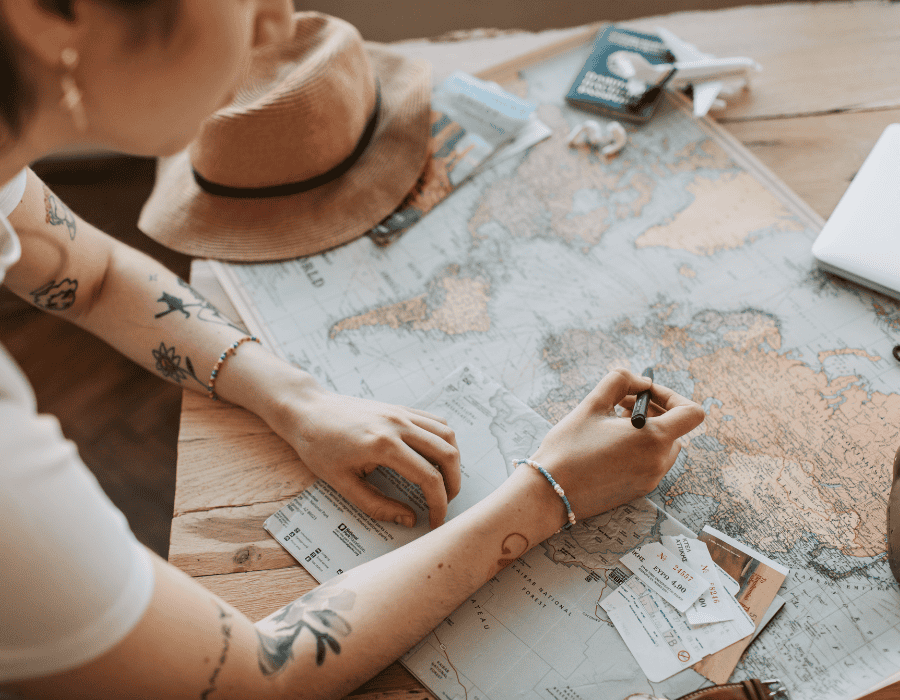
Think of a budget as your roadmap for a stress-free trip. It’s less about spreadsheets and more about empowerment.
- It reduces stress. When you know how much you can spend, you don’t have to second-guess every purchase. It removes the anxiety of overspending and lets you enjoy the moment.
- It helps you prioritize. A budget forces you to think about what you truly value. Do you want to splurge on amazing meals, unique tours, or a beautiful hotel? Planning your spending ensures your money goes toward the experiences you’ll remember most.
- It gives you control. Travel is full of unknowns, but your finances don’t have to be one of them. A budget provides a sense of security and control, which makes the entire travel experience feel more manageable.
Step 1: Research Your Destination’s Costs

Before you can set a budget, you need a realistic idea of what things cost where you’re going. A trip to Switzerland will have a very different daily cost than a trip to Vietnam.
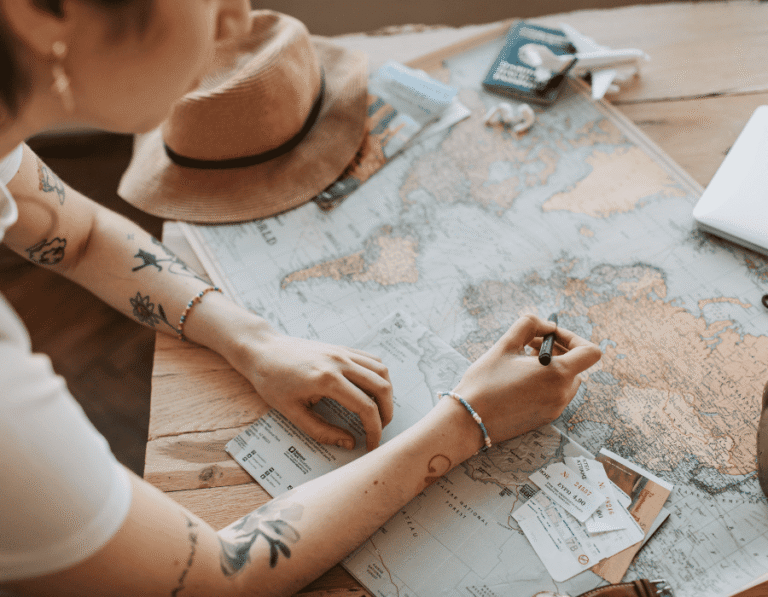
Start with some basic research. Look at travel blogs, guidebooks, or YouTube videos to get a general sense of daily expenses for your destination. Check the prices for major attractions you want to visit, and look up the cost of a typical meal or a metro ticket. This initial research will form the foundation of your entire budget.
Step 2: Calculate Your Major Pre-Trip Expenses
These are the big, fixed costs that you’ll likely pay for before you even pack your bags. Tallying these up first gives you a clear picture of your baseline spending.
Flights or Major Transportation
For most trips, flights will be your largest single expense. The cost can vary dramatically based on the season, how far in advance you book, and the airline. Use flight comparison tools and be flexible with your dates if possible to find the best deals.
Accommodation
Your second-biggest cost is usually accommodation. Whether you’re staying in hostels, hotels, or vacation rentals, book this in advance, especially if you’re traveling during a busy season. This locks in a major part of your budget early on.
Travel Insurance
This is a non-negotiable expense. Travel insurance protects you from unexpected events like trip cancellations, lost luggage, and, most importantly, medical emergencies. The peace of mind it provides is worth every penny. For added reassurance, having a plan to find care easily, like using the Air Doctor app, can complement your insurance.
Visas and Other Documents
Some countries require you to purchase a visa before you arrive. Check the entry requirements for your destination well in advance and budget for any associated fees.
Step 3: Estimate Your Daily On-the-Ground Spending
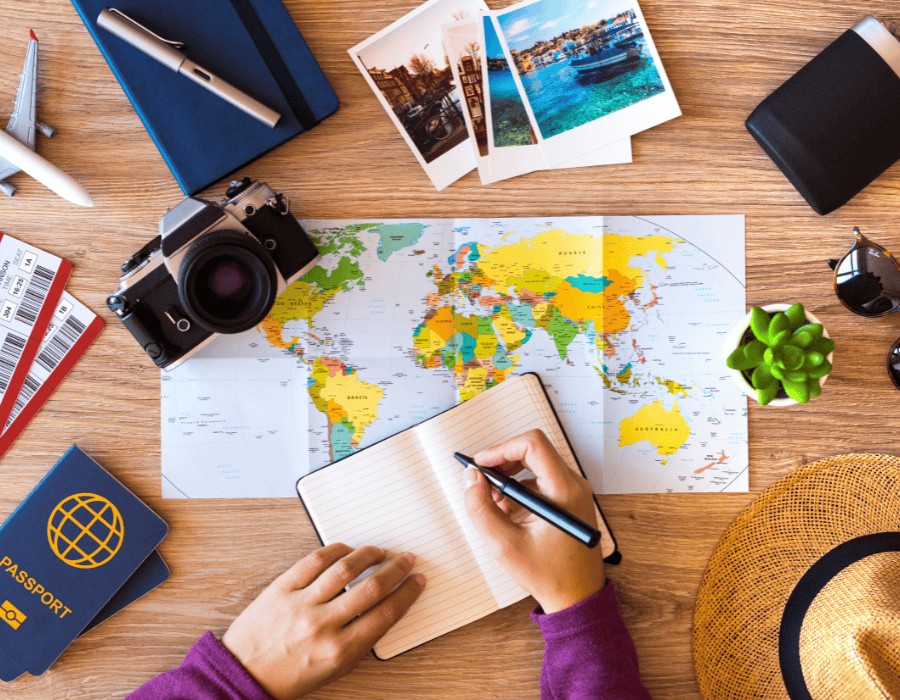
Once your major costs are covered, it’s time to estimate what you’ll spend each day. This is where your trip style comes into play.
Food and Drinks
This can range from a few dollars for street food to hundreds for fine dining. A good approach is to budget for a mix. You might grab a cheap breakfast, have a casual lunch, and then enjoy a nicer dinner. Don’t forget to factor in money for coffee, snacks, and drinks.
Local Transportation
How will you get around? Research the cost of subway passes, bus tickets, taxis, or ride-sharing services in your destination. If you plan on taking day trips, factor in the cost of train or bus tickets to get there.
Activities and Entrance Fees
Make a list of the museums, tours, and attractions you want to see and look up their entrance fees. It’s better to have a clear idea of these costs upfront so you’re not surprised when you get there.
Souvenirs and Shopping
This category is highly personal. Some people don’t shop at all, while others love bringing home mementos. Decide on a rough amount you’re comfortable spending and try to stick to it.
Step 4: Don’t Forget the “Hidden” Costs

These small, often-overlooked expenses can quickly add up if you haven’t planned for them. Building them into your budget ahead of time prevents them from catching you by surprise.
- Baggage fees: Many airlines charge for checked bags. Check your airline’s policy before you fly.
- Currency exchange fees: You’ll likely incur fees when withdrawing cash from foreign ATMs or exchanging currency.
- International phone plans: Check your provider’s roaming charges. Alternatively, many travelers find that using an eSIM is a more affordable and convenient way to stay connected.
- Tips: In many countries, it’s customary to tip tour guides, drivers, and restaurant staff. Research local tipping etiquette.
- A buffer for unexpected situations: It’s always smart to have an emergency fund. This could cover anything from a missed train to an unexpected doctor’s visit. Being prepared for potential health issues is a key part of smart budgeting.
Tips for Saving Money Before Your Trip
The more you save before you go, the more you can relax while you’re there. A few simple strategies can make a big difference.
- Set up a dedicated travel savings account. Automatically transferring a small amount of money each payday makes saving feel effortless.
- Travel during the shoulder season. Traveling just outside of the peak season often means lower prices for flights and accommodation, and fewer crowds.
- Book in advance. Flights and hotels are usually cheaper when booked several months ahead.
- Use loyalty points. If you have credit card points or airline miles, now is the time to use them to offset your biggest costs.
How to Track Your Spending While Traveling
Creating a budget is one thing; sticking to it is another. Luckily, you don’t need complicated spreadsheets to keep track of your spending on the road.
- Use a budgeting app. Apps like TripCoins or Trail Wallet are designed for travelers and make it easy to log expenses on the go.
- Keep notes on your phone. A simple note-taking app is all you need. At the end of each day, take five minutes to jot down what you spent.
- The envelope system. If you prefer cash, you can divide your daily budget into separate envelopes. It’s a simple, visual way to see how much you have left to spend.
In Short
A travel budget is a tool for freedom, not restriction. Planning ahead reduces stress and helps you make the most of your trip.
- Start by researching your destination’s costs to create a realistic budget.
- Calculate your major pre-trip expenses first, including flights, accommodation, and travel insurance.
- Estimate your daily spending on food, transport, and activities.
- Don’t forget to budget for hidden costs like fees, tips, and an emergency buffer.
- Track your spending as you go to stay on budget and travel with peace of mind.
About Air Doctor
With the Air Doctor app in your pocket, you can access medical care and receive expert medical guidance anywhere you travel.
Air Doctor offers a wide range of benefits, including:
- A global network of multi-lingual doctors and specialists
- Choice of clinic, at-home (hotel), and video consultations
- 24/7 multi-lingual support
- Transparent pricing and reviews
- Most common medical specialties, including cardiologists
FAQs
This depends heavily on your destination and travel style. A budget traveler in Southeast Asia might spend as little as $30-$50 per day, while a mid-range traveler in Europe might budget $100-$150. Research your specific destination to get a more accurate estimate.
The easiest ways are to be flexible with your travel dates and to book in advance. Flying mid-week is often cheaper than on weekends, and traveling in the shoulder season can offer significant savings. Using flight comparison websites also helps you find the best deals.
Track your spending daily using an app or a simple notebook. This awareness helps you see where your money is going and adjust if needed. It also helps to prioritize your spending on what matters most to you, whether that’s food, activities, or accommodation.