A bad sunburn can ruin a day or two of your vacation. But sometimes, a burn feels much worse than just red, tender skin. You might feel sick, feverish, or dizzy, and wonder if something more serious is going on.
This is often called “sun poisoning.” While the name sounds alarming, it’s a term for a severe sunburn that requires more care and attention. Understanding the difference is especially important when you’re traveling, as knowing when to rest and when to seek medical help can make all the difference.
Here’s a practical guide to recognizing the signs of sun poisoning and what to do if it happens while you’re abroad.
Is It Just a Sunburn, or Is It Sun Poisoning?
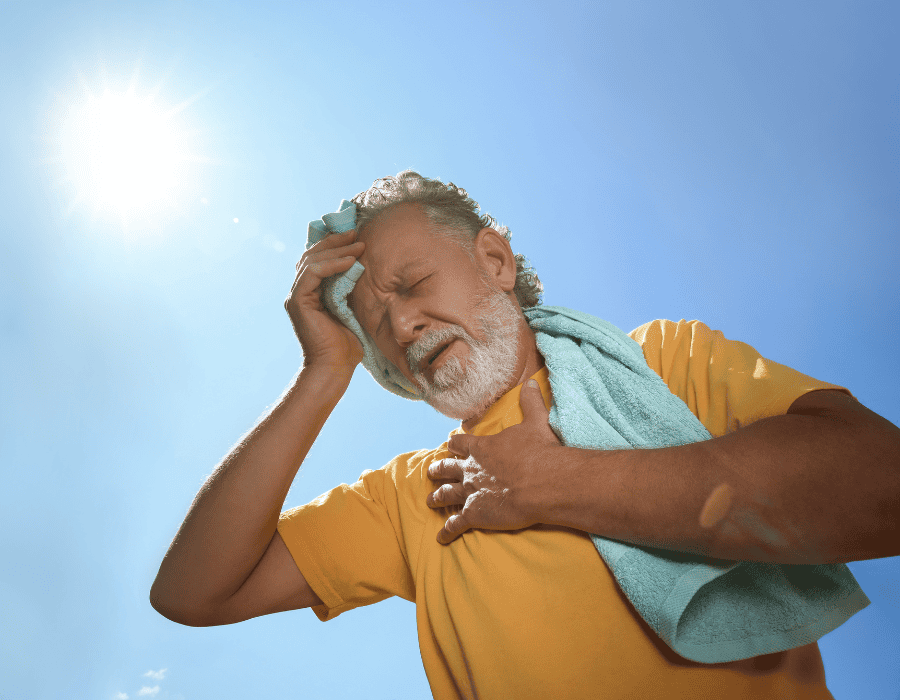
The first step is figuring out what you’re dealing with. A standard sunburn affects your skin, making it red, warm, and painful. Sun poisoning, on the other hand, is a more severe reaction that can affect your whole body.
The term itself can be misleading. Sun poisoning isn’t a true “poisoning.” It’s the non-medical name for a severe sunburn, technically known as severe solar erythema. This reaction happens when overexposure to UV radiation causes significant skin inflammation and sometimes triggers a body-wide response.
Here’s how to tell the difference at a glance:
| Symptom | Typical Sunburn | Sun Poisoning |
|---|---|---|
| Skin Appearance | Red, warm, tender | Severe redness, blistering, swelling |
| Pain Level | Mild to moderate discomfort | Intense pain, sometimes with a rash |
| Body Symptoms | None | Fever, chills, nausea, headache |
| Other Signs | Localized to the skin | Dizziness, confusion, dehydration |
Recognizing these distinctions can help you take the right steps to care for yourself.
Recognizing the Signs of Sun Poisoning
Sun poisoning symptoms go beyond the skin. While your skin will show the most obvious signs of damage, you’ll likely feel unwell in other ways, too.
- Skin Symptoms: Look for widespread blistering, extreme redness that might appear purple, significant swelling, and skin that is intensely painful to the touch. A rash or small bumps may also appear.
- General Body Symptoms: It’s common to feel like you have the flu. This can include a fever, chills, nausea, and a persistent headache.
- Dehydration: Severe sunburns draw fluid to the skin’s surface and away from the rest of the body. This, combined with time spent in the heat, often leads to dehydration, which can cause dizziness and fatigue.
These symptoms are your body’s signal that it’s under significant stress from UV exposure.
Immediate Steps When Sun Poisoning Hits Abroad
If you think you have sun poisoning, the first priority is to stop the damage from getting worse.
- Get out of the sun immediately. Find a cool, indoor space to rest. Do not try to push through the rest of your day outdoors.
- Cool your skin. Apply cool, damp cloths to the affected areas or take a lukewarm bath. Avoid very cold water, which can shock your system.
- Hydrate aggressively. Drink plenty of water to help rehydrate your body. Drinks with electrolytes can also be very helpful.
- Avoid further sun exposure. Your skin will be extremely sensitive for several days. Stay in the shade or indoors until the symptoms have completely subsided.
These initial actions can help reduce the severity of the reaction and start the healing process.
Treating Sun Poisoning While Traveling
Managing a severe sunburn in a hotel room can be challenging, but a few simple treatments can provide relief.
- Use over-the-counter remedies. Anti-inflammatory medications like ibuprofen can help reduce swelling and pain.
- Apply soothing creams. Pure aloe vera gel can cool the skin and provide moisture. Look for products without added alcohol, which can be drying.
- Leave blisters intact. Do not pop any blisters. They form a sterile barrier that protects the underlying skin from infection. If one breaks, gently clean the area with mild soap and water and cover it with a loose bandage.
- Visit a local pharmacy. Pharmacists abroad can often recommend effective local products for sunburn relief.
Patience is key. It will take time for your skin and body to recover.
When to Seek Medical Help Abroad
Most cases of sun poisoning can be managed with at-home care, but some symptoms are a sign that you need professional medical attention.
You should see a doctor if you experience:
- A high fever or severe chills
- Widespread, severe blistering
- Signs of infection, such as pus or red streaks leading from a blister
- Confusion, severe dizziness, or fainting
- Signs of severe dehydration, like a lack of urination or extreme thirst
Navigating a foreign healthcare system can feel stressful, especially when you’re already feeling unwell. If you’re traveling and experience severe symptoms, the Air Doctor app can help you find a local, trusted doctor for a clinic visit, a video consultation, or even a visit to your hotel.
Preventing Sun Poisoning on Your Trip
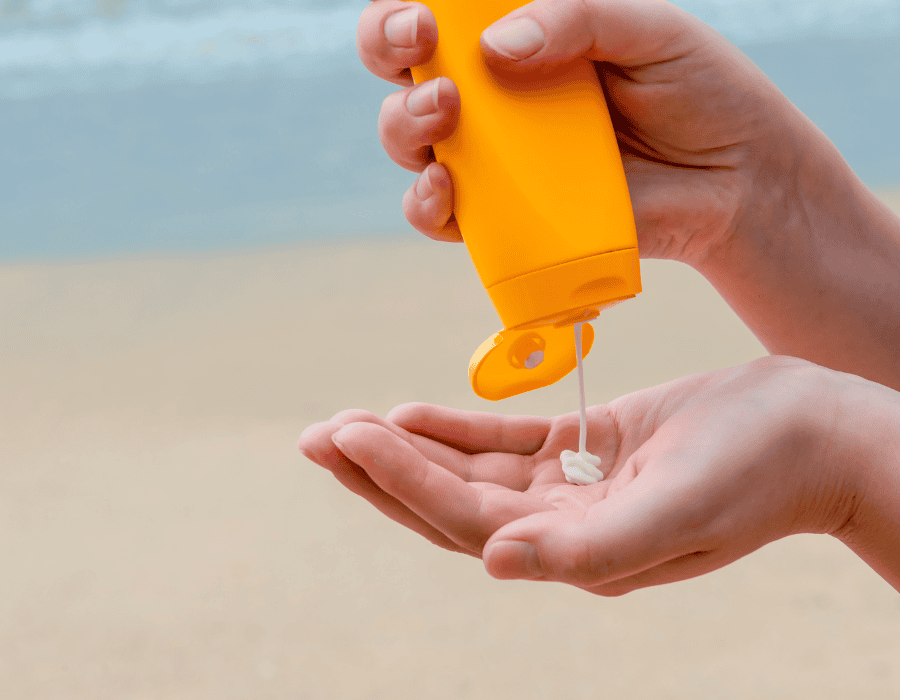
The best approach is always prevention. A few smart habits can keep your skin safe while you enjoy your travels.
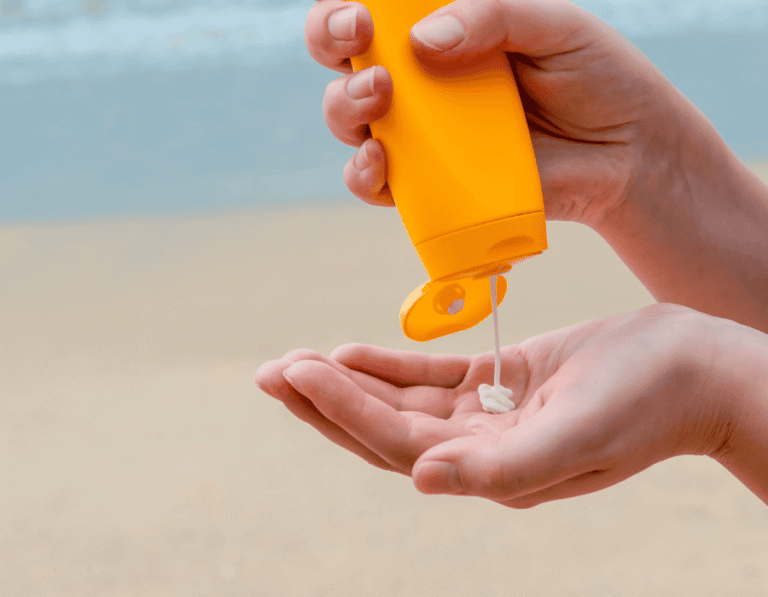
- Choose the right sunscreen. Use a broad-spectrum sunscreen with an SPF of 30 or higher.
- Apply it correctly. Apply sunscreen generously 15-30 minutes before you go outside. Reapply at least every two hours, or more often if you’re swimming or sweating.
- Wear protective clothing. Lightweight, long-sleeved shirts, pants, and wide-brimmed hats provide an excellent physical barrier against UV rays.
- Seek shade during peak hours. The sun is strongest between 10 a.m. and 4 p.m. Plan indoor activities or find a shady spot during this time.
- Adapt to the climate. Remember that the sun’s intensity can be greater at high altitudes or in equatorial regions. Be extra cautious in these destinations.
A proactive approach to sun safety is the easiest way to ensure your trip is memorable for the right reasons.
Who Needs to Be Extra Careful?

While anyone can get sun poisoning, some people are more at risk.
- Travelers with fair skin: Less melanin means less natural protection from UV rays.
- Children and infants: Their skin is thinner and more delicate.
- People on certain medications: Some antibiotics, acne medications, and other drugs can increase sun sensitivity.
- Individuals with a history of severe sunburns: Past damage can make your skin more susceptible to future burns.
If you fall into one of these categories, taking extra precautions is a wise idea.
In Short
- Sun poisoning is a term for a severe sunburn that can cause flu-like symptoms.
- Signs include blistering, swelling, fever, chills, nausea, and headache.
- If you think you have sun poisoning, get out of the sun and hydrate immediately.
- Treat it with cool compresses, aloe vera, and over-the-counter pain relievers.
- Seek medical help abroad if you have a high fever, widespread blistering, or feel disoriented.
- Prevention is key: use sunscreen, wear protective clothing, and seek shade.
About The Air Doctor App
With the Air Doctor app in your pocket, you can access medical care and receive expert medical guidance anywhere you travel.
Air Doctor offers a wide range of benefits, including:
- A global network of multi-lingual doctors and specialists
- Choice of clinic, at-home (hotel), and video consultations
- 24/7 multi-lingual support
- Transparent pricing and reviews
- Most common medical specialties, including cardiologists, dermatologists, and GPs
FAQs
Symptoms are often at their worst for the first 24 to 48 hours. The complete healing process can take a week or more, depending on the severity of the burn.
Yes. Certain medications, including some antibiotics, diuretics, and retinoids, can increase your skin’s sensitivity to the sun. It’s a good idea to check with your doctor before traveling if you are on any long-term medication.
Flying with sun poisoning can be very uncomfortable due to dehydration and skin sensitivity. It’s important to drink plenty of water before and during the flight. If you have a fever or feel very unwell, it may be best to consult a doctor before traveling.