Travel should feel exciting, not stressful.
But whether you’re heading abroad for the first time, planning a solo trip, or traveling with family, it’s completely normal to think about safety before you go. Being in an unfamiliar place, navigating new transport systems, and adjusting to different cultures can feel overwhelming at first.
The good news is that most trips go smoothly, especially when you take a little time to prepare beforehand. In many cases, staying safe while traveling comes down to awareness, planning ahead, and building simple habits that help you feel more confident while away from home.
This guide covers practical travel safety tips for solo travelers, couples, and families, along with what to pack, how to prepare, and what to do if something goes wrong.
Prepare Before You Travel
A little preparation before your trip can prevent a lot of stress later on.
Even simple things like researching local customs or saving emergency numbers ahead of time can make unfamiliar destinations feel much easier to navigate once you arrive.
Research Your Destination
Before traveling, spend some time learning about your destination beyond just the tourist attractions.
It helps to understand local customs, transportation systems, common tourist scams, weather conditions, and areas that may be less safe late at night. Knowing what to expect ahead of time often makes travelers feel far more confident once they arrive.
Share Your Plans With Someone You Trust
Even experienced travelers should make sure someone back home knows their basic plans.
Sharing hotel information, flight details, and a rough itinerary can make communication easier if plans suddenly change. It’s also a good idea to arrange regular check-ins during longer trips.
Check Travel Insurance and Healthcare Options
Travel insurance is one of the most important things to organize before leaving home.
It also helps to research nearby pharmacies, clinics, and hospitals before you arrive, especially if you’re visiting somewhere unfamiliar. Saving local emergency numbers and healthcare information ahead of time can make stressful situations much easier to manage.
If you need medical support while traveling, Air Doctor helps travelers connect with trusted doctors abroad through video consultations, clinic visits, and hotel visits in many destinations.
Things To Bring When Traveling
Packing a few important essentials can make travel much safer, smoother, and less stressful overall.
You don’t need to overpack, but certain items can make a huge difference if plans change unexpectedly.
Important Documents and Backups
Always keep digital and physical copies of important documents like your passport, travel insurance details, emergency contacts, and accommodation bookings.
Having secure backups can save a huge amount of stress if your phone, wallet, or bag is lost during your trip.
Health and Safety Essentials
A few small health and safety items can make travel much more comfortable.
Prescription medication, hand sanitizer, sunscreen, a reusable water bottle, portable chargers, and basic first aid supplies like travel first aid kits are all worth carrying. If you’re unsure what to pack, this guide to travel first aid kits covers some useful essentials that travelers often forget:
Technology That Helps You Stay Safe
Technology can make navigating unfamiliar places much easier.
Offline maps, translation apps, emergency contact sharing, and portable chargers all help reduce stress while traveling, especially when internet access becomes unreliable.
How To Stay Safe While Exploring
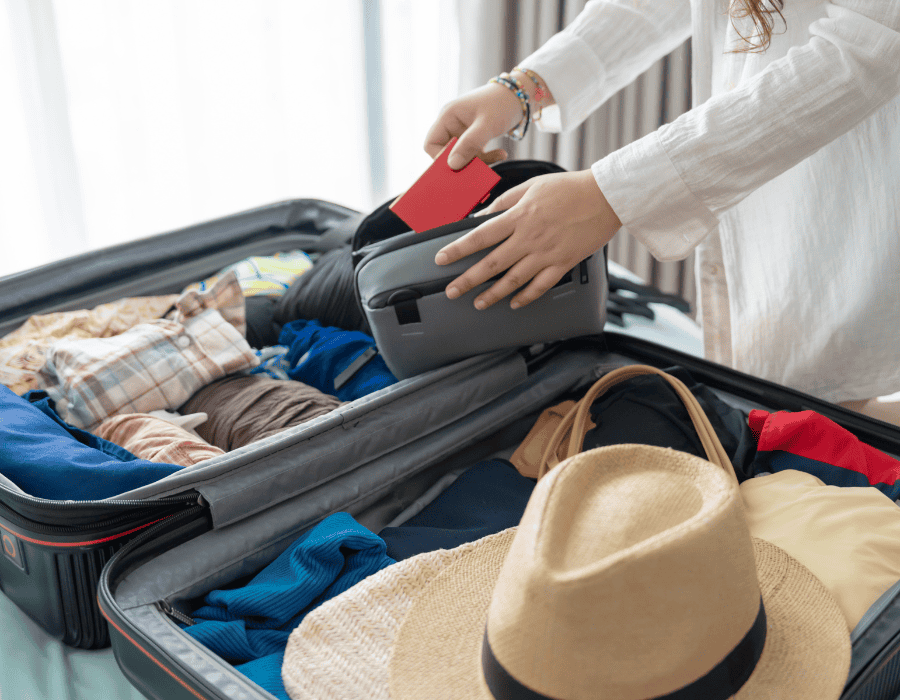
Most travel safety comes down to awareness and good habits rather than fear.
Staying alert without becoming overly anxious is usually the best approach.
Stay Aware of Your Surroundings
Crowded tourist areas are often where travelers become distracted.
Keeping an eye on your belongings, avoiding walking around while completely focused on your phone, and staying aware late at night can help you avoid many common problems.
Be Careful With Public Wi-Fi
Public Wi-Fi networks are convenient, but they’re not always secure.
Avoid logging into banking apps or entering sensitive personal information while connected to public networks. If possible, using a VPN adds an extra layer of security.
Trust Your Instincts
If a situation feels uncomfortable, it’s okay to leave.
Many travelers worry about seeming rude, but trusting your instincts is often one of the best ways to stay safe while abroad.
How To Stay Safe While Traveling Solo
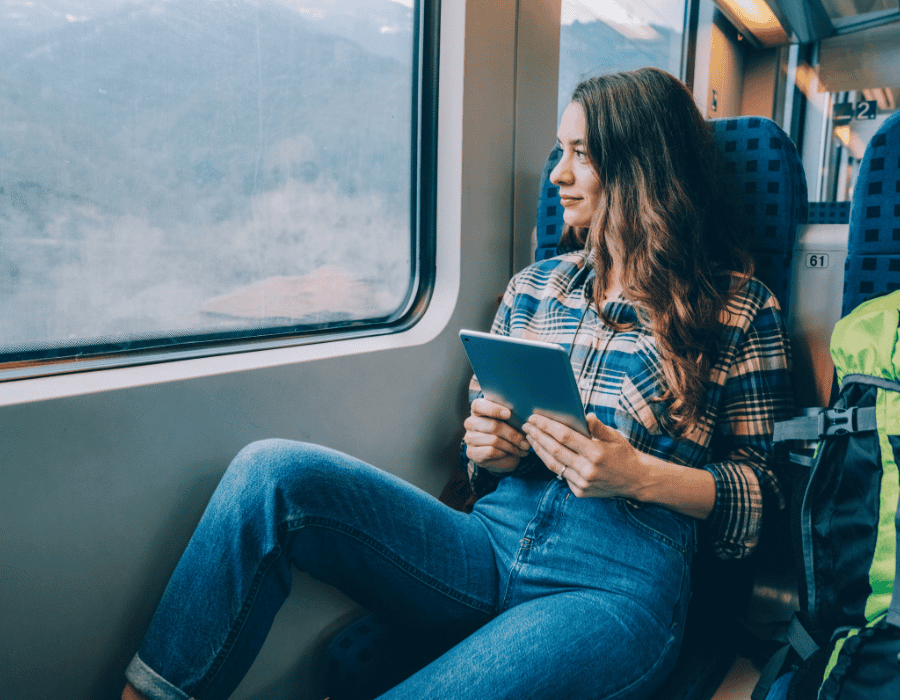
Solo travel can be incredibly rewarding, but it usually requires a little extra awareness and preparation.
The goal isn’t to feel nervous. It’s simply to stay connected and avoid unnecessary risks while still enjoying the freedom of traveling alone.
Keep Friends or Family Updated
Sharing your location, checking in occasionally, and updating plans if they change helps people know where you are if something unexpected happens.
Even a quick message every day or two can make a big difference during longer solo trips.
Arrive During Daylight When Possible
Arriving somewhere new during daylight hours usually makes things feel far less stressful.
It’s easier to navigate unfamiliar streets, find transportation, and get settled into accommodation before dark.
Avoid Sharing Too Much With Strangers
Meeting new people is one of the best parts of travel, but it’s still important to be careful about sharing too many personal details.
Avoid telling strangers exactly where you’re staying or sharing too much information about your plans too quickly.
How To Stay Safe While Traveling as a Couple
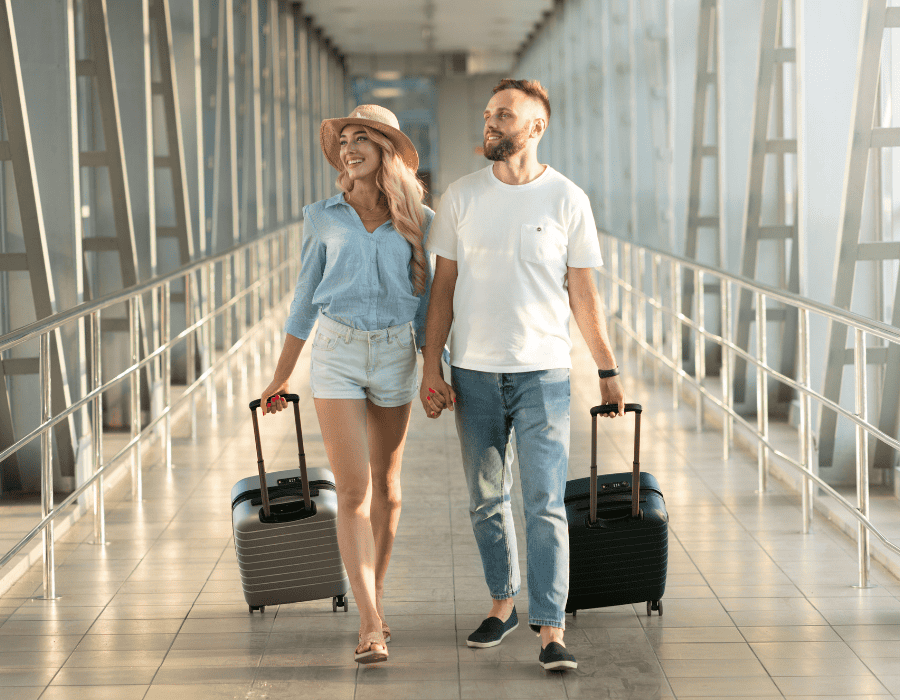
Traveling together can make many situations feel safer and more manageable, but communication still matters.
Small plans and shared awareness can prevent unnecessary stress during busy travel days.
Have a Meeting Point Plan
Phones run out of battery, transport gets crowded, and people occasionally get separated.
Choosing simple meeting points ahead of time can make stressful situations much easier to handle if communication suddenly becomes difficult.
Stay Aware During Nights Out
It’s easy to relax too much while traveling, especially in nightlife areas.
Watching drinks, using trusted transportation, and staying aware of your surroundings late at night can help avoid common tourist scams and unsafe situations.
Keep Valuables Split Up
Keeping all your cash, cards, and documents together increases stress if something gets lost or stolen.
Splitting valuables between bags or travelers adds an extra layer of security during international trips.
How To Stay Safe While Traveling as a Family
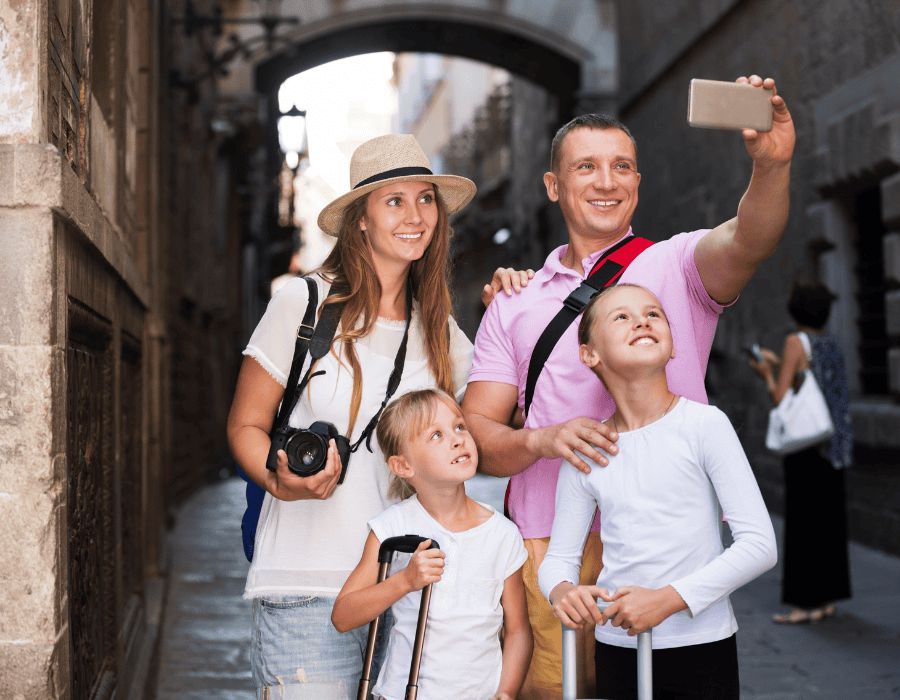
Traveling with family requires a little more planning, but preparation helps everything feel smoother and less overwhelming.
Children often handle travel very well when expectations and routines stay clear and consistent.
Prepare Kids for Busy Places
Before visiting crowded areas, make sure children know what to do if they become separated.
Teaching them hotel names, parent phone numbers, or how to identify staff members and police officers can help reduce panic if something unexpected happens.
Pack Extra Essentials
Travel delays become much easier to handle when you’re prepared.
Snacks, medication, chargers, entertainment, wipes, and extra clothing can make a huge difference during long flights or unexpected delays.
Pace Yourself
Trying to do too much too quickly often leads to exhaustion, especially in hot climates.
Leaving room for breaks, hydration, and slower afternoons can make family travel far more enjoyable for everyone.
Staying Healthy While Traveling
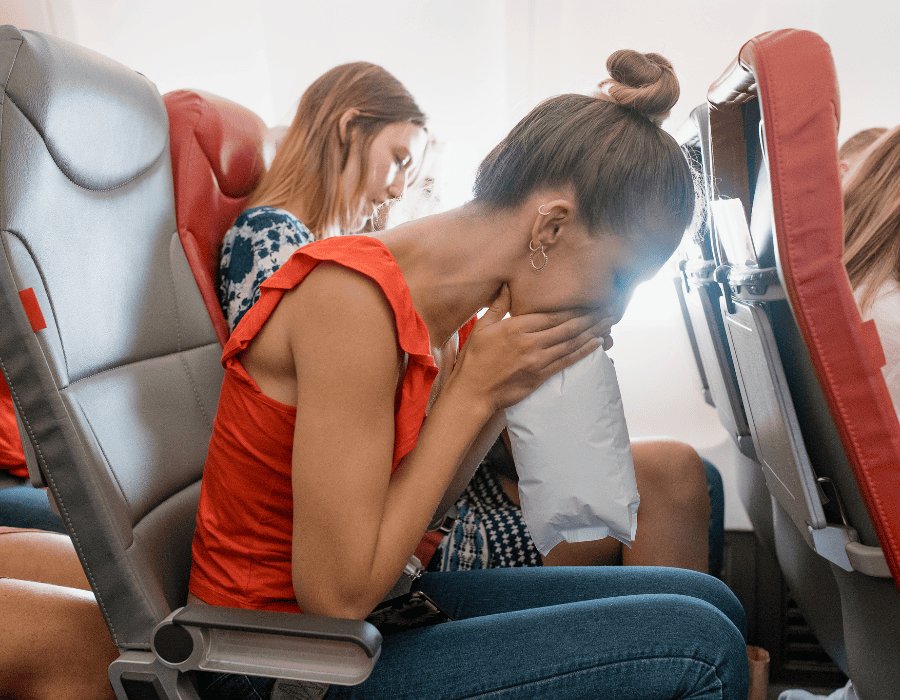
Staying healthy is an important part of staying safe while abroad.
Long flights, disrupted sleep, dehydration, and unfamiliar foods can all leave travelers feeling run down more quickly than expected.
Hydration, Sleep, and Food Safety
Flights and hot weather can cause dehydration surprisingly quickly, especially during long travel days.
Sleep also plays a major role in keeping the immune system strong while traveling. If you’re flying long haul, you may also want to watch out for the post-flight flu.
It’s also worth being slightly cautious when trying unfamiliar foods, particularly during the first few days of a trip.
What To Do If You Get Sick Abroad
Getting sick abroad can feel stressful, especially if there’s a language barrier or you’re unfamiliar with the local healthcare system.
Fortunately, pharmacies, clinics, urgent care centers, and telehealth services are widely available in many destinations. Air Doctor helps travelers connect with trusted doctors abroad through video consultations, clinic visits, and hotel visits when they need medical support away from home.
Common Travel Scams To Watch For
Most travel scams target distracted tourists rather than careless ones.
Being aware of a few common situations ahead of time can help you avoid unnecessary stress while traveling.
Taxi and Transportation Scams
Unofficial taxis, inflated fares, and fake ticket machines are common in some tourist-heavy destinations.
Using trusted ride apps, official taxi lines, and checking routes ahead of time can help avoid problems.
Distraction Scams
Some scams rely on creating confusion or distractions near your belongings.
This can include fake petitions, staged arguments, or overly “helpful” strangers trying to distract travelers in crowded areas.
Fake Accommodation or Booking Issues
Double-checking accommodation details before arrival can help avoid scams involving fake listings or canceled reservations.
Booking through trusted platforms also reduces the likelihood of payment problems or fake properties.
What To Do in an Emergency Abroad
Emergencies while traveling are rare, but knowing a few basic steps ahead of time can reduce panic if something unexpected happens.
Contact Local Emergency Services
Save local emergency numbers before arriving at your destination whenever possible.
Hotels, embassies, and tourist information centers can also help travelers contact emergency services if needed.
Replace Lost Documents Quickly
If your passport or important documents are lost or stolen, contact your embassy or consulate as soon as possible.
Reporting theft quickly also helps protect against identity fraud or financial issues.
Get Medical Help When Needed
If symptoms feel serious or you need urgent support, seek medical help quickly rather than waiting too long.
Hospitals, urgent care clinics, pharmacies, and online doctor services are available in many destinations worldwide, including through Air Doctor.
In Short
- Most travel safety comes down to preparation and awareness rather than fear
- Solo travelers, couples, and families all benefit from slightly different safety habits
- Packing a few important essentials can reduce stress during unexpected situations
- Staying hydrated, rested, and healthy is part of staying safe abroad
- Most trips go smoothly with basic planning and common sense
About The Air Doctor App
With the Air Doctor app in your pocket, you can access medical care and receive expert medical guidance anywhere you travel.
Air Doctor offers a wide range of benefits, including:
- A global network of multi-lingual doctors and specialists
- Choice of clinic, at-home (hotel), and video consultations
- 24/7 multi-lingual support
- Transparent pricing and reviews
- Most common medical specialties, including cardiologists, pediatricians, and gynecologists
FAQs
Researching your destination, staying aware of your surroundings, protecting important documents, and preparing for emergencies are some of the best ways to stay safe abroad.
Important documents, medication, chargers, water, hand sanitizer, and basic first aid supplies are all useful items to keep with you while traveling.
Yes. Solo travel can be very safe when travelers stay aware, keep others updated on plans, and trust their instincts.
You can visit pharmacies, clinics, urgent care centers, or use telehealth services like Air Doctor to connect with doctors while traveling.