Many people associate colds with winter, but getting sick during summer is actually very common.
Summer colds can feel especially frustrating because they tend to show up during vacations, flights, heatwaves, festivals, or busy travel plans. Feeling congested or exhausted when everyone else seems to be outside enjoying the weather can make symptoms feel even worse.
The good news is that most summer colds are mild and improve on their own with rest and hydration. Still, it helps to understand what causes them, how to tell them apart from allergies or heat exhaustion, and when it might be time to speak to a doctor.
What Is a Summer Cold?
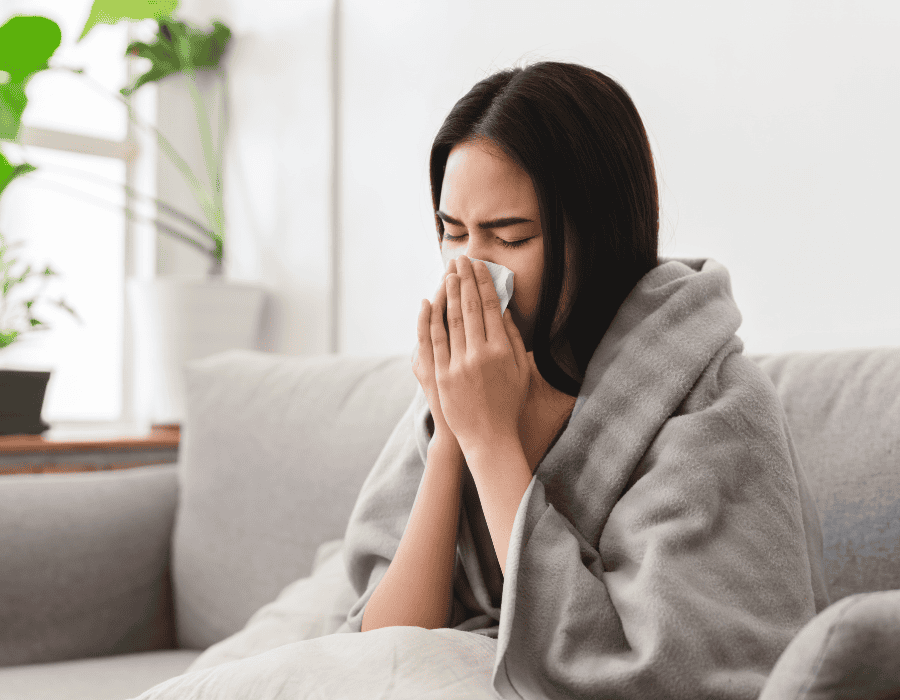
A summer cold is essentially the same type of viral infection as a regular cold, just occurring during warmer months.
While rhinoviruses are more common in winter, enteroviruses tend to spread more during summer and early fall. Symptoms are usually similar regardless of the season, although dealing with congestion or fatigue in hot weather can sometimes feel more draining.
Most summer colds are mild, but they can still interrupt travel plans, outdoor activities, or everyday routines for several days.
Common Summer Cold Symptoms
Summer cold symptoms are often very similar to what people experience during winter.
Sore Throat and Congestion
A scratchy throat, blocked nose, sneezing, and sinus pressure are some of the most common symptoms.
For some people, congestion can feel worse in heavily air-conditioned spaces or after long flights. If chest symptoms become more noticeable, this guide to chest congestion symptoms and treatment explains what to look out for and when symptoms may need extra attention.
Fatigue and Headaches
Summer colds can leave people feeling unusually tired, especially during hot weather.
Heat, dehydration, and disrupted sleep from travel can make headaches and fatigue feel more intense than they normally would during winter.
Coughing and Mild Fever
Some people also develop a mild cough or low fever.
However, a high fever, chest pain, or difficulty breathing could point to something more serious and should not be ignored.
Why Do People Get Colds in Summer?
Warm weather does not stop viruses from spreading.
In fact, summer activities often create plenty of opportunities for viruses to move between people.
Travel and Crowded Spaces
Airports, flights, hotels, festivals, public transport, and summer camps all bring large groups of people together in close spaces.
Travel also tends to involve less sleep, irregular schedules, and more physical stress, which can make it easier to pick up illnesses while away from home.
Air Conditioning and Indoor Spaces
Constantly moving between outdoor heat and heavily air-conditioned spaces can irritate the body and dry out the throat and nasal passages.
Spending long periods indoors around other people also increases exposure to viruses, especially during travel.
Lower Immunity From Travel and Fatigue
Busy schedules, dehydration, poor sleep, and stress can all weaken the immune system temporarily and even cause post-flight flu.
Trying to pack too much into a vacation without enough rest can leave people feeling run down, which may make it easier for cold viruses to take hold.
Summer Cold vs Allergies or Heat Exhaustion

Summer cold symptoms can sometimes overlap with allergies or heat-related illness, especially while traveling.
Signs It May Be Allergies
Allergies are more likely to cause:
- itchy eyes
- sneezing
- runny nose
- symptoms triggered by pollen or outdoor exposure
Unlike colds, allergies usually do not come with fever, body aches, or exhaustion.
Signs It Could Be Heat Exhaustion
Heat exhaustion tends to look a little different from a cold.
Symptoms often include:
- dizziness
- nausea
- heavy sweating
- dehydration
- headaches after sun exposure
Most people start feeling better after cooling down, drinking fluids, and resting somewhere shaded or air-conditioned.
When To Slow Down and Rest
One of the biggest mistakes travelers make is trying to push through symptoms.
Resting early, drinking enough water, and slowing your schedule down for a day or two can sometimes prevent symptoms from becoming much worse.
How To Treat a Summer Cold
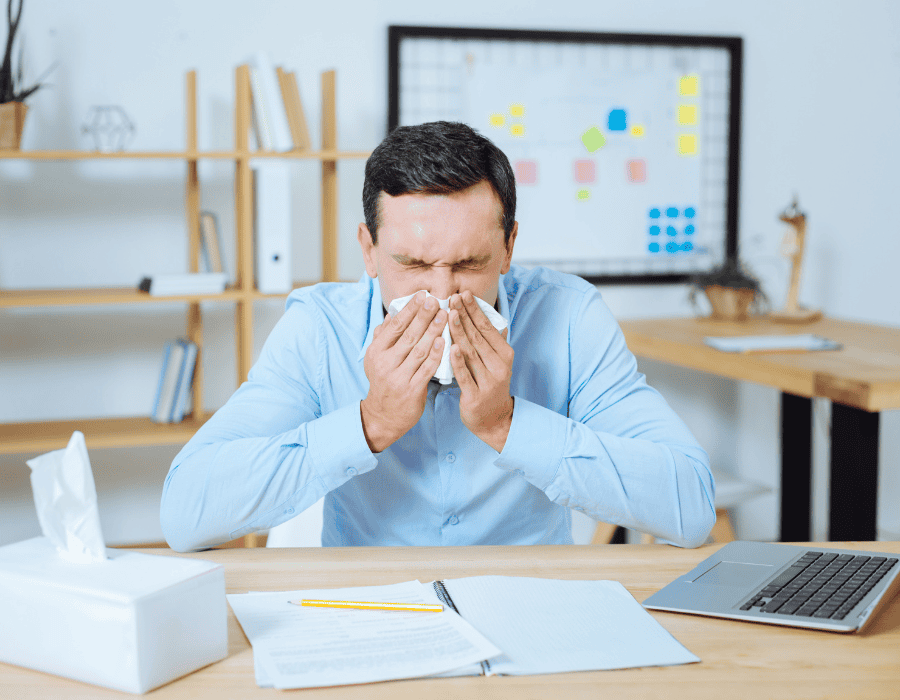
Most summer colds improve on their own within about a week.
The focus is usually on symptom relief and giving your body time to recover.
Rest and Hydration
Sleep and hydration matter more than most people realize.
Water, electrolytes, tea, and soups can all help support recovery, especially during hot weather when dehydration becomes more likely.
Over-the-Counter Relief
Basic cold medicines, throat lozenges, saline sprays, and pain relievers may help reduce discomfort while your body recovers.
Pharmacists can also help recommend symptom relief options if you are traveling abroad and unsure what products to look for.
Avoid Overdoing It
Trying to continue with packed travel schedules, long outdoor days, or intense activities can slow recovery.
Sometimes the fastest way to feel better is simply giving yourself permission to rest.
How To Avoid Getting Sick While Traveling
Travel can be exhausting on the body, especially during summer.
A few simple habits can make a big difference.
Stay Hydrated During Flights and Heatwaves
Flights, heat, and long sightseeing days can all lead to dehydration surprisingly quickly.
Drinking enough water consistently throughout the day helps support energy levels and recovery.
Wash Hands and Carry Sanitizer
Airports, public transport, and crowded tourist areas are high-contact environments.
Hand washing and sanitizer are still some of the simplest ways to reduce exposure to viruses while traveling.
Prioritize Sleep While Traveling
Lack of sleep can weaken the immune system and leave people more vulnerable to illness.
Building small breaks into your trip can help you enjoy travel without completely exhausting yourself.
When Should You See a Doctor?

Most summer colds are mild, but certain symptoms should not be ignored.
Symptoms That Need Medical Attention
It’s a good idea to speak to a doctor if you experience:
- high fever
- breathing difficulty
- symptoms lasting longer than 10 days
- severe dehydration
- worsening chest symptoms
If you are unsure whether symptoms are becoming more serious, our guide on when symptoms are worth worrying about can help you understand what signs to pay attention to.
Getting Help While Traveling
Getting sick while traveling can feel stressful, especially in an unfamiliar place.
Fortunately, pharmacies, urgent care clinics, and telehealth services are widely available in many destinations. Air Doctor helps travelers connect with trusted doctors abroad through video consultations, clinic visits, or hotel visits when they need medical support away from home.
In Short
- Summer colds are common, even during warm weather
- Symptoms are similar to winter colds and usually mild
- Travel, fatigue, dehydration, and crowded spaces can all contribute
- Rest, fluids, and slowing down usually help recovery
- Medical support is available if symptoms become more serious
About the Air Doctor App
With the Air Doctor app in your pocket, you can access medical care and receive expert medical guidance anywhere you travel.
Air Doctor offers a wide range of benefits, including:
- A global network of multi-lingual doctors and specialists
- Choice of clinic, at-home (hotel), and video consultations
- 24/7 multi-lingual support
- Transparent pricing and reviews
- Most common medical specialties, including cardiologists, ENT specialists, and allergologists
FAQs
Yes. Cold viruses spread year-round, including during warmer months.
Most summer colds improve within 7 to 10 days.
Yes. Summer colds spread through close contact, shared surfaces, and respiratory droplets, just like winter colds.