Travel insurance is one of those purchases people often make with mixed feelings. You buy it hoping you will never actually have to use it, but when unexpected trip disruptions happen, it can be the difference between a minor headache and a major financial loss.
At the same time, policy documents can feel dense, filled with legal jargon, coverage limits, and fine print that leave many travelers unsure of what they are actually paying for. Understanding how policies function, what they protect, and where their limits lie makes preparing for your next trip much simpler.
What Travel Insurance Actually Is

Many travelers find insurance confusing because it is not a tangible product you see or use during normal travel days. Instead, travel insurance acts as a specialized, temporary financial safety net designed to protect you from specific, unforeseen risks before and during a trip.
Unlike traditional health insurance, which provides ongoing coverage for routine care and chronic conditions at home, travel insurance focuses primarily on unexpected emergencies. It safeguards the non-refundable investments you make in flights, tours, and hotels, while also shielding you from potentially catastrophic medical bills abroad.
Crucially, most policies operate on a reimbursement basis rather than an upfront payment system. That means you are typically responsible for paying costs directly when an incident occurs, and your insurer repays you later once you submit a verified claim.
What Does Travel Insurance Typically Cover?
Most standard plans come as comprehensive packages that bundle several distinct types of coverage into a single policy. Rather than buying separate protection for delays, lost luggage, and health issues, a comprehensive plan covers a broad spectrum of common travel headaches.
While exact terms depend on your specific provider, comprehensive policies generally divide their benefits into three main categories: trip disruptions, medical care, and personal belongings.
Trip Cancellation and Interruption
Trip cancellation benefits protect your prepaid, non-refundable travel expenses if you are forced to cancel your journey before it even begins. Coverage only applies to specific, covered reasons listed in the policy wording, such as:
- Sudden illness, severe injury, or death involving you, your travel companion, or an immediate family member
- Severe weather, natural disasters, or airline strikes that shut down transit services
- Mandatory legal obligations, such as unexpected jury duty or military redeployment
Trip interruption works similarly, but it takes effect after you have already departed. If an emergency forces you to cut your holiday short and return home early, this benefit helps cover the cost of your unscheduled flight home and reimburses the unused portion of your hotel bookings or tours.
Medical Emergencies Abroad
Domestic health insurance policies rarely provide full coverage once you cross international borders, and government programs like Medicare generally do not cover healthcare abroad at all. Without emergency medical coverage, treating an unexpected illness or injury in another country can quickly lead to thousands of dollars in out-of-pocket expenses.
Travel medical protection typically covers:
- Consultations with local general practitioners and specialists for acute illnesses
- Emergency room visits, diagnostic scans, and hospital admissions
- Prescription medications needed to treat sudden conditions during your travels
- Emergency medical evacuation, which covers the high cost of transporting you to an adequate hospital or back to your home country if local facilities cannot treat you
Baggage Loss, Damage, and Travel Delays
Travel logistics do not always go as planned, and these benefits are designed to absorb the financial friction of everyday travel inconveniences.
If an airline misplaces your luggage for more than a few hours, baggage delay coverage reimburses you for necessary purchases like changes of clothes, toiletries, and phone chargers while you wait. If your bags are permanently lost, damaged, or stolen, personal effects coverage reimburses the depreciated value of your belongings up to a set policy limit.
Travel delay coverage helps cover reasonable unexpected expenses, such as meals and overnight hotel stays, if severe weather or mechanical issues leave you stranded at an airport past a specific time threshold.
Common Coverage Types at a Glance
Reviewing the primary components of a policy side by side makes it easier to see how each coverage type responds to different situations on the road.
| Coverage Category | Primary Purpose | Everyday Example | Common Exclusions |
| Trip Cancellation | Protects non-refundable trip deposits | You tear a ligament two days before flying out | Canceling due to routine work conflicts or simple second thoughts |
| Trip Interruption | Reimburses unused bookings and unexpected return flights | A sudden family emergency requires you to fly home mid-trip | Returning home early because of bad weather at your destination |
| Emergency Medical | Covers acute doctor visits and hospital stays abroad | You develop a severe bacterial infection or break a bone | Elective medical procedures or routine checkups |
| Emergency Evacuation | Pays for specialized emergency transport | Medical airlift from an isolated island to a regional trauma center | Non-emergency transport arranged without insurer authorization |
| Baggage and Delay | Covers lost belongings and interim essentials | Your checked suitcase is delayed for 24 hours in transit | Cash, unattended valuables, or delays under the policy time limit |
What Travel Insurance Does Not Cover
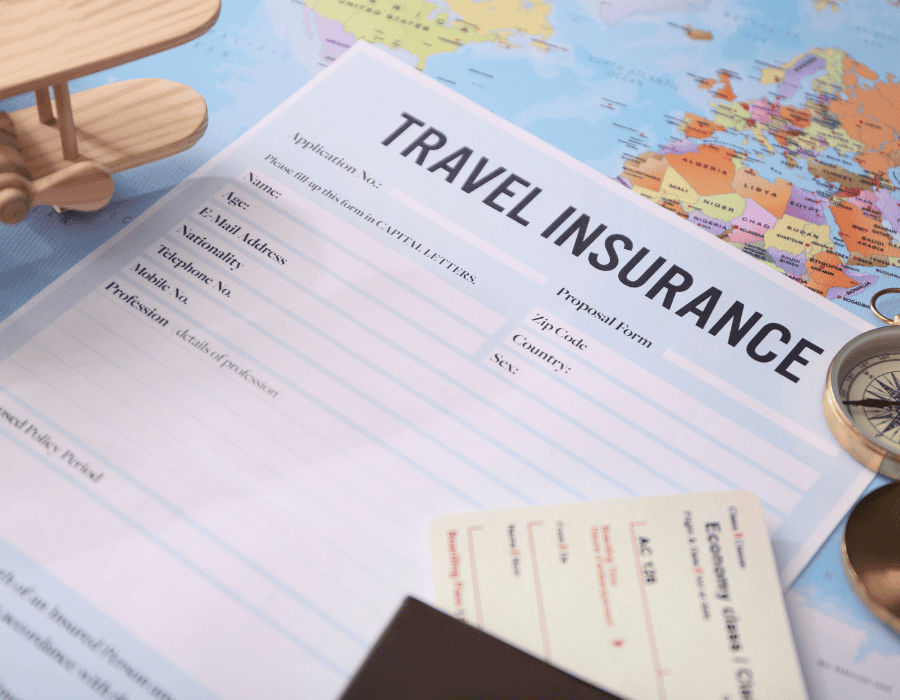
Knowing what a policy excludes is just as important as knowing what it includes. Most claim denials happen because travelers assume travel insurance acts as a blanket guarantee for every possible misfortune.
Standard policies generally exclude:
- Pre-existing medical conditions: Any illness or injury you sought treatment for or showed symptoms of within a set look-back period (often 60 to 180 days prior to buying the policy) is excluded unless you purchase a pre-existing condition waiver.
- Adventure sports and high-risk activities: Activities like scuba diving below certain depths, backcountry skiing, mountaineering, or riding scooters often require an optional adventure sports rider.
- Travel to high-risk areas: Traveling to countries or regions with active government travel advisories or sanctions typically voids your coverage.
- Incidents related to alcohol or reckless behavior: Claims resulting from intoxication, illegal acts, or intentional self-harm will almost always be rejected.
- Changing your mind: Deciding you simply do not feel like traveling anymore is not covered unless you have upgraded to a specialized “Cancel For Any Reason” (CFAR) policy.
How the Claims Process Works
Filing a claim is how you actually recover your money after an incident occurs. Because travel insurance relies on formal documentation, understanding the submission process helps prevent unnecessary payment delays.
In almost all cases, you pay initial expenses out of pocket, gather official documentation proving the incident and its cost, and submit these records to the insurer for assessment.
Keeping Documentation and Receipts
The golden rule of travel insurance is simple: if you cannot prove an expense happened, the insurer will not reimburse it.
When an issue arises, make sure to collect:
- Itemized medical bills, diagnostic records, and signed physician reports detailing your diagnosis
- Written statements from airlines or transport operators confirming the reason and duration of flight or baggage delays
- Police reports filed within 24 hours if personal belongings are stolen from your hotel or rental car
- Original booking receipts, cancellation fee invoices, and proof of any refunds already provided by the airline or hotel
Filing a Claim Step by Step
Once you have gathered your paperwork, you can submit your claim through your insurer’s online portal or app.
- Notify your insurer quickly: Many policies have strict notification deadlines, often requiring you to report an incident within 20 to 30 days.
- Fill out the claim forms: Complete the required forms carefully, noting exact dates, times, and explanations of the events.
- Upload all supporting proof: Attach your itemized receipts, doctor notes, and carrier correspondence.
- Follow up with your adjuster: A claims examiner will review your file to ensure the incident matches a covered peril under your policy before issuing payment.
Travel Insurance vs. Direct Medical Access

Travel insurance is an important financial safeguard, but it does not solve every practical problem you face when you get sick in an unfamiliar country.
A policy helps pay your medical bills, but it does not tell you where to find an English-speaking doctor, how local clinic hours work, or how to get a prescription filled in a foreign language. Navigating a foreign healthcare system while feeling unwell can be stressful and confusing.
This is why many travelers pair traditional financial insurance with direct medical access platforms. When health issues arise, digital services like Air Doctor help bridge the gap by connecting travelers directly with licensed, local doctors for in-person clinic visits, hotel visits, or video consultations, without the stress of navigating local language barriers alone.
Common Mistakes Travelers Make
Small oversights during the booking process can leave you unprotected when you need coverage most.
- Waiting too long to buy coverage: Purchasing your policy months after booking your trip means you miss out on early cancellation coverage and pre-existing condition waiver windows.
- Relying solely on credit card insurance: Many credit cards offer travel perks, but their medical coverage limits are often low, and coverage rules tend to be much stricter than standalone policies.
- Underestimating medical costs abroad: Countries with private healthcare systems, such as the United States, charge exceptionally high rates for hospital care. Choosing policies with low medical maximums can leave you vulnerable.
- Skipping the deductible details: A policy with a low premium might carry a high excess or deductible that you must pay out of pocket before coverage begins.
How to Choose the Right Policy for Your Trip
Finding the right policy comes down to assessing your destination, travel duration, and planned activities.
- Single-trip policies: Ideal for travelers taking one or two specific holidays a year, calculating coverage costs based on the total trip value and duration.
- Annual multi-trip plans: Cost-effective for frequent travelers who take multiple trips across a twelve-month period, offering continuous medical and disruption coverage.
- Destination-specific limits: Check healthcare costs at your destination. If you are traveling somewhere with high medical costs, look for emergency medical limits of at least $100,000 to $250,000.
- Activity add-ons: If your itinerary includes hiking, winter sports, or water activities, review the policy exclusions carefully and add an adventure rider if needed.
In Short
- Travel insurance provides a temporary financial safety net against unexpected disruptions and medical emergencies.
- Most standard policies bundle trip cancellation, emergency medical care, and baggage protection.
- Outpatient medical expenses are usually paid upfront and reimbursed after you submit itemized receipts and reports.
- Routine health checkups, pre-existing conditions, and high-risk sports are typically excluded unless you buy specific add-ons.
- Financial reimbursement protects your budget, but having direct access to local medical care ensures you get treated quickly when sickness strikes abroad.
About Air Doctor
With the Air Doctor app in your pocket, you can access medical care and receive expert medical guidance anywhere you travel.
Air Doctor offers a wide range of benefits, including:
- A global network of multi-lingual doctors and specialists
- Choice of clinic, at-home (hotel), and video consultations
- 24/7 multi-lingual support
- Transparent pricing and reviews
- Most common medical specialties, including GPs, pediatricians, and specialists
FAQs
Yes. Most comprehensive policies include emergency medical coverage that reimburses doctor consultations, hospital treatment, and prescription medications for sudden, acute illnesses that occur during your travels.
In most outpatient cases, yes. You pay the clinic or doctor directly, save your itemized medical bills and diagnostic notes, and submit them to your insurer for reimbursement after your appointment.
Some countries require foreign visitors to show proof of travel medical insurance to enter, while others do not. Regardless of destination entry rules, carrying travel medical protection is strongly recommended whenever you leave your home country.