Skip to content

Getting sick while traveling can feel stressful, especially when you’re in a different country and not sure how things work.
If you’re in Japan and not feeling well, the good news is that you’re in a very safe place to get help. Japan has a high-quality healthcare system, and tourists can access care without too much difficulty.
You don’t need to panic or figure everything out at once. With a few simple steps, you can get the help you need and feel better quickly.
First Things First: Don’t Panic
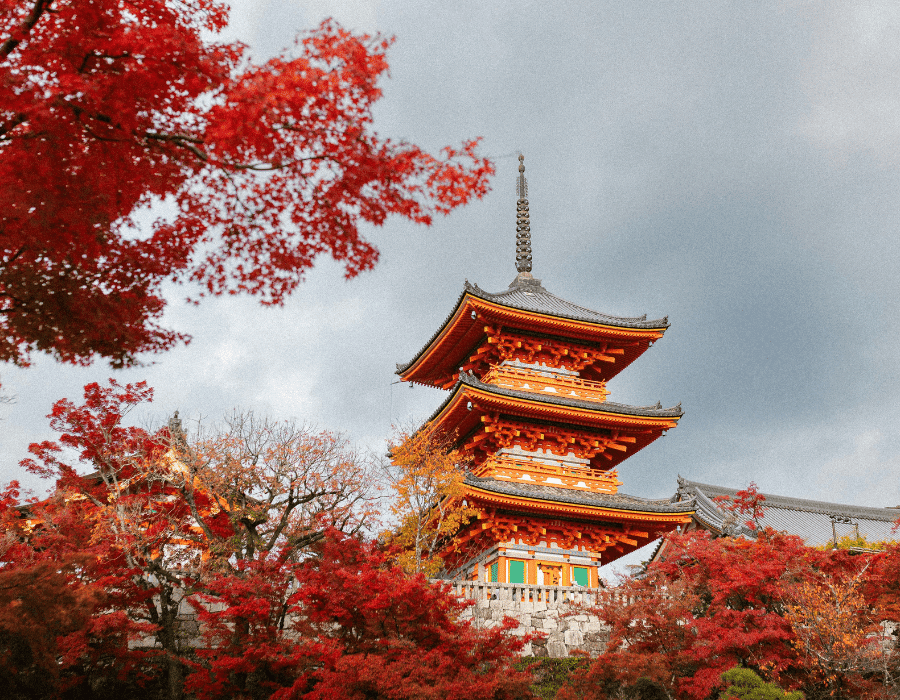
Before anything else, take a moment to slow things down. After all, you’re in Japan!
I know firsthand that it’s so easy to jump to worst-case scenarios when you’re not feeling well, especially in a new environment. But in most cases, travel-related illnesses are mild and manageable.
Getting Sick While Traveling Is Common
It happens more often than people expect.
Changes in routine, different food, long flights, and busy days can all take a toll on your body. Things like colds, stomach issues, dehydration, or general fatigue are very common.
Most of the time, these symptoms pass quickly with rest and basic care.
Japan Has a High-Quality Healthcare System
Japan’s healthcare system is known for being efficient, clean, and well-organized.
Clinics and hospitals are widely available, especially in cities, and the standard of care is very high. Even as a tourist, you can access medical help without needing to be a resident.
That alone should take a bit of pressure off.
Step 1: Assess Your Symptoms
Start by checking how you actually feel.
Are your symptoms mild and manageable, or do they feel more serious?
- Mild symptoms might include a cold, headache, stomach upset, or tiredness
- More serious symptoms could include a high fever, severe pain, or difficulty breathing
This step isn’t about diagnosing yourself. It’s just about deciding how urgent the situation is.
Step 2: Decide Where To Go
Once you have a sense of your symptoms, the next step is choosing where to get help.
For most travelers, a clinic is the easiest place to start. Clinics are quick, common, and don’t usually require a referral. They’re ideal for everyday health issues.
Hospitals are better for more serious concerns. They have more equipment and specialists, but they can take longer and cost more.
If your symptoms are very mild, a pharmacy might be enough. Pharmacists in Japan are knowledgeable and can often recommend treatment for things like colds or stomach issues.
Step 3: Ask for Help (You Don’t Have to Do This Alone)
If you’re unsure where to go, don’t try to figure everything out by yourself.
There are people around you who can help quickly and easily.
Your hotel front desk is often the best place to start. They can recommend nearby clinics, call ahead for you, or help explain your situation.
Tourist information centers and travel insurance providers can also point you in the right direction.
A quick conversation can save you a lot of time and stress.
Step 4: Book or Visit
Once you know where you’re going, the next step is simply getting there.
Many clinics accept walk-ins, so you may not need an appointment. That said, calling ahead can make things smoother, especially if you’re not feeling your best.
If you’re unsure, your hotel can usually help you make the call or confirm what’s needed.
What If You Don’t Speak Japanese?
This is one of the most common concerns, and it’s completely understandable.
Not being able to communicate clearly when you’re unwell can feel overwhelming, but there are ways to make it easier.
English-Speaking Doctors Exist
In larger cities like Tokyo and Osaka, many clinics are used to seeing international patients.
Some doctors speak English, and many places have systems in place to support communication with travelers.
You’re not the first person to be in this situation, and the system reflects that.
Ways To Overcome Language Barriers
If you’re unsure, there are a few simple things that can help.
Translation apps can make basic communication much easier. Even simple phrases or keywords can go a long way.
You can also ask your hotel to assist, either by calling ahead or helping you explain your symptoms.
Writing down or translating your symptoms in advance can also help keep things clear during your visit.
A Simpler Option: Use a Service That Handles It for You
If you’re not feeling well, even small tasks can feel like a lot.
Instead of trying to navigate everything yourself, you can use a service like Air Doctor.
It helps you find English-speaking doctors and book appointments without needing to search, call, or figure things out on your own.
You can choose what works best for you, whether that’s speaking to a doctor online, visiting a clinic, or having a doctor come to your hotel.
It’s often the easiest way to get help quickly, especially if you’re feeling overwhelmed.
How Much Does It Cost To See a Doctor in Japan?
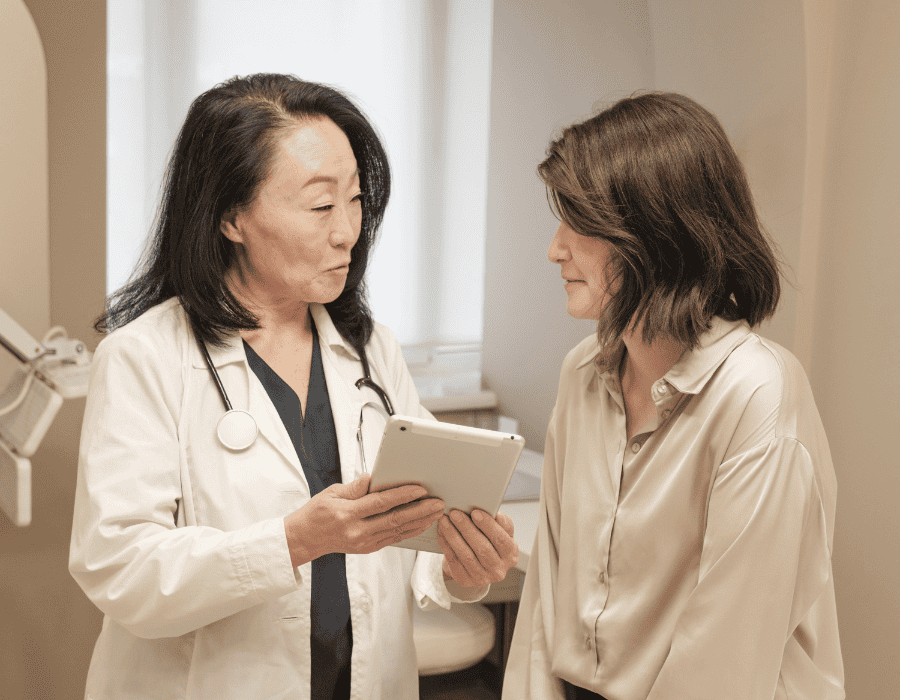
Costs are usually manageable, but it helps to know what to expect.
Typical Costs
A standard clinic visit usually costs somewhere between $70 and $150.
Hospital visits can be more expensive, depending on the treatment you need.
Payment Expectations
In most cases, you’ll need to pay upfront.
After your visit, you’ll receive a receipt, which you can use to claim back through your travel insurance if you have it.
Why Travel Insurance Matters
Travel insurance can make a big difference in situations like this.
It helps reduce your out-of-pocket costs and can also guide you toward the right care when you need it.
What Happens During a Doctor Visit
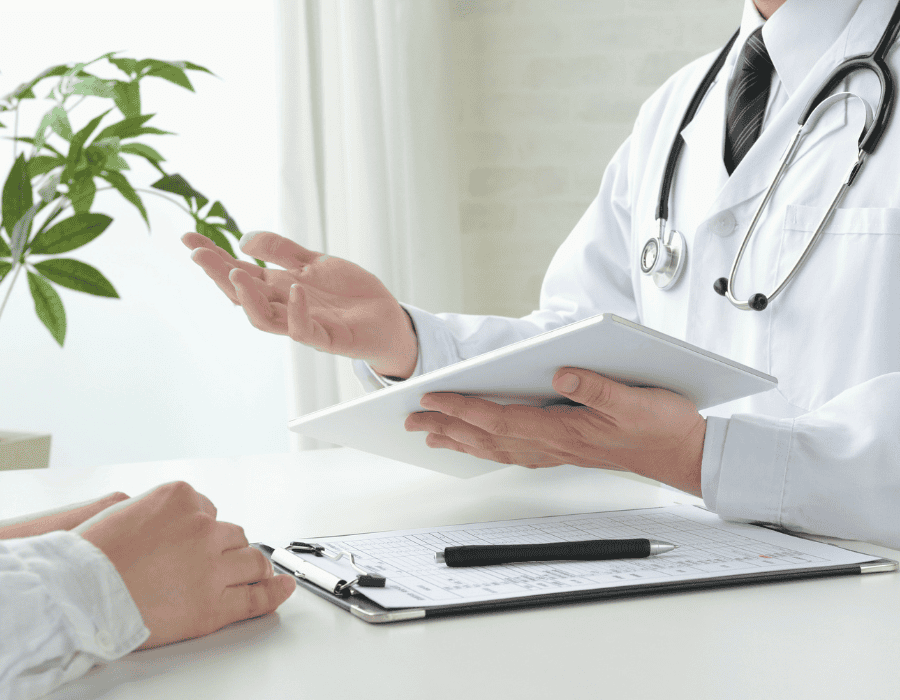
Seeing a doctor in another country can feel a bit uncertain, especially if you don’t know what to expect.
The good news is that medical visits in Japan are usually very straightforward and not that different from what you’re used to at home.
Consultation
The doctor will ask about your symptoms and may do some basic checks.
Even if there’s a slight language barrier, the process is usually clear and efficient.
Prescriptions
If you need medication, you’ll be given a prescription to take to a nearby pharmacy.
Pharmacists will explain how to take it, and instructions are usually easy to follow.
Follow-Up Care
If you need to come back or check in again, it’s generally easy to arrange.
What To Do In an Emergency
If something feels serious, it’s important to act quickly.
Call Emergency Services
Dial 119 for an ambulance.
Operators may not always speak English, but help will still be sent.
Go to an Emergency Hospital
Emergency hospitals are equipped to handle urgent situations.
Costs may be higher, but your health comes first. It’s always better to get checked than to wait.
The Easiest Way To Get Help (If You Feel Overwhelmed)
When you’re not feeling well, even simple things can feel harder than usual.
Trying to find a clinic, make a call, or figure out directions can quickly become overwhelming.
Why This Helps
Using a service like Air Doctor removes a lot of that stress.
You don’t need to search, call, or navigate the system on your own.
What You Can Do
You can:
- speak to a doctor online
- book a clinic visit
- have a doctor come to your hotel
Before You Travel: How To Prepare

You don’t need to overprepare, but a few small steps can make things much easier if something comes up.
Bring Essentials
Make sure you bring:
- any regular medication
- copies of prescriptions
Save Important Information
Have easy access to:
- your insurance details
- emergency contacts
Read This Before You Go
If you want a clearer picture of how things work, we’ve got a great guide that breaks down everything travelers need to know about Japan’s healthcare system.
In Short
- Getting sick in Japan is manageable
- Healthcare is high quality and accessible
- Clinics are usually the best first step
- Language barriers can be handled
- Help is always available
About The Air Doctor App
With the Air Doctor app in your pocket, you can access medical care and receive expert medical guidance anywhere you travel.
Air Doctor offers a wide range of benefits, including:
- A global network of multi-lingual doctors and specialists
- Choice of clinic, at-home (hotel), and video consultations
- 24/7 multi-lingual support
- Transparent pricing and reviews
- Most common medical specialties, including cardiologists, GPs, and pediatricians
FAQs
Yes, tourists can access clinics and hospitals easily!
No, but it helps reduce costs.
Don’t worry! There are English-speaking doctors and services that can help.
Often the same day, especially at clinics.