Melbourne is the kind of city that wins you over slowly — with great coffee, hidden laneways, and a laid-back charm that makes you feel right at home. Known as Australia’s cultural capital, it’s bursting with art, food, and live music, yet still manages to keep things friendly and approachable.
If you’re visiting for the first time, these Melbourne travel tips will help you get around easily, avoid overspending, and make the most of your trip.
Quick Overview of Melbourne: What Makes It Unique?
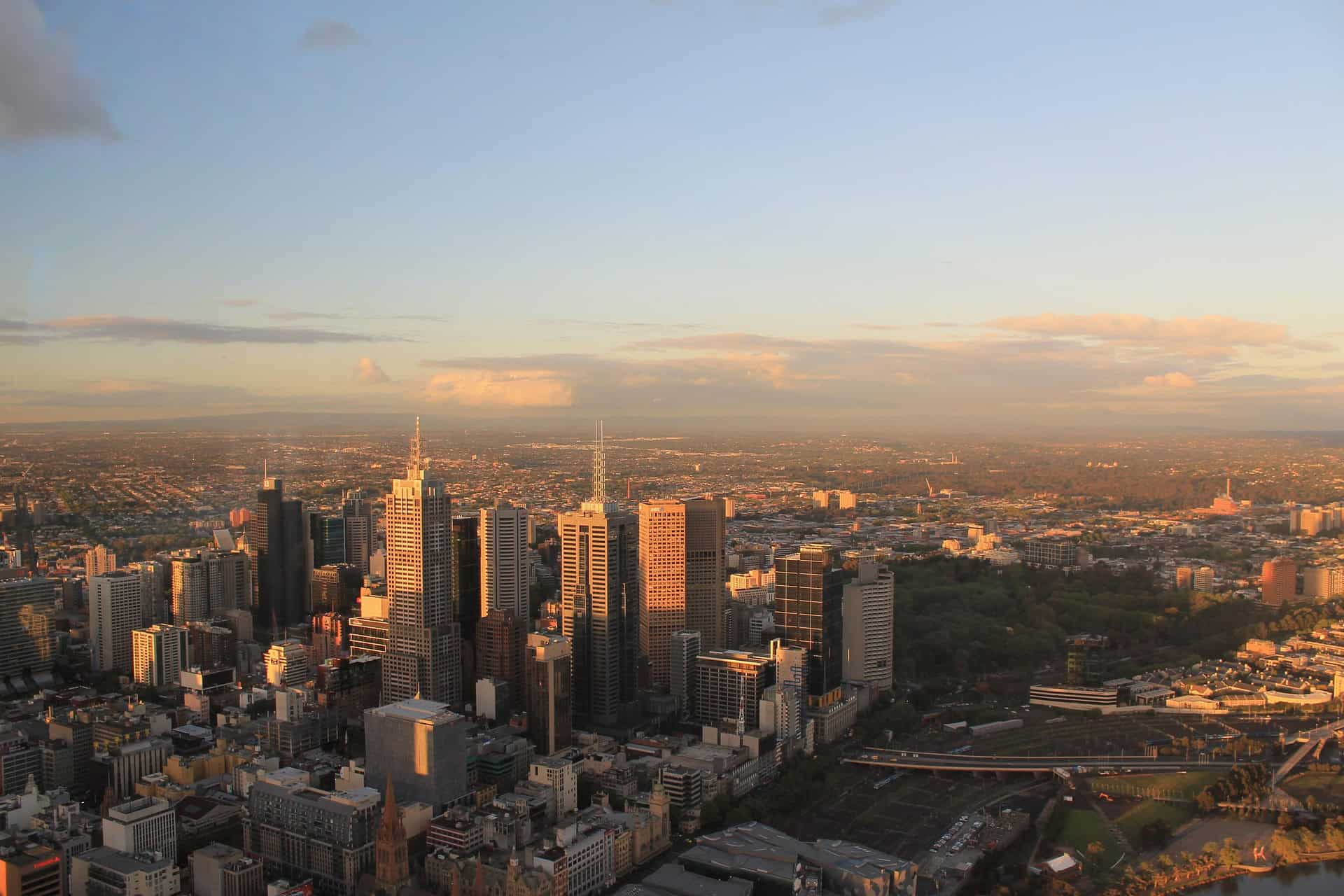
Melbourne is all about personality. Every suburb feels different — from the creative energy of Fitzroy and Collingwood to the seaside calm of St Kilda. The city’s laneways are full of hidden cafés, street art, and boutique shops, while world-class restaurants and art galleries sit just around the corner.
It’s also famously unpredictable when it comes to weather — locals like to say you can experience four seasons in one day!
Common Travel Challenges and How to Overcome Them
- The weather – Melbourne’s weather can switch from sunshine to rain fast. Always carry a light jacket or umbrella.
- Public transport zones – Make sure to tap on and off with your Myki card to avoid fines.
- Finding your way – The CBD is easy to navigate, but trams can be confusing at first. The City Circle Tram is free and loops key attractions.
- Peak times – Rush hour (7–9 AM and 4–6 PM) can get crowded — plan sightseeing outside these hours.
Getting From the Airport to the City Center
Melbourne Airport (Tullamarine) is around 23 km from the city. Here’s how to get downtown:
- SkyBus – The fastest and most affordable way (about 30 minutes). Runs 24/7.
- Taxi – Convenient but costs around AUD 60–70.
- Ride-sharing (Uber, DiDi, Ola) – Often cheaper than taxis and easy to use.
- Car rental – Great if you plan to explore regional Victoria.
Getting Around the City
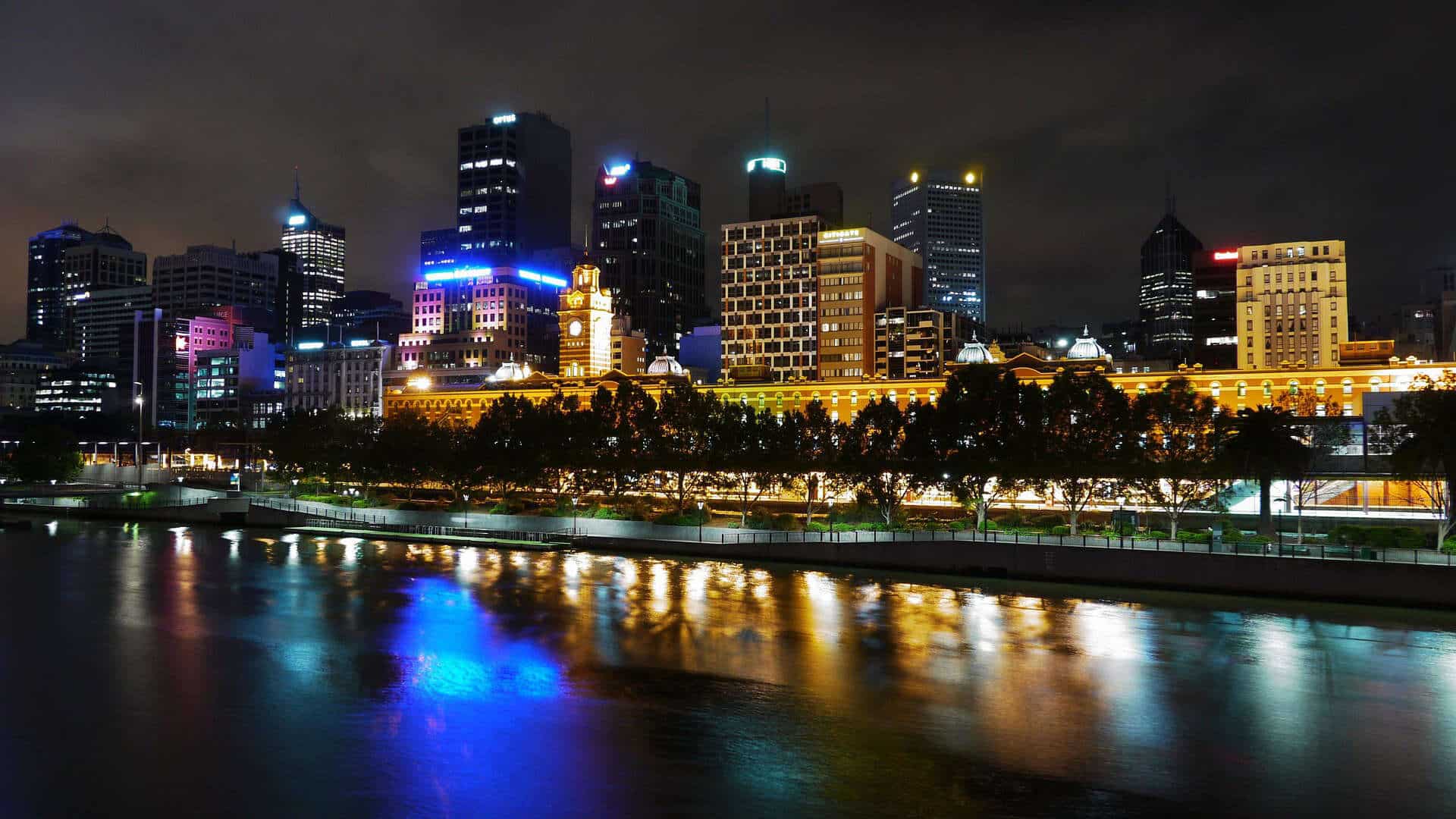
Melbourne’s transport system is one of the best in Australia.
- Trams – Iconic and reliable; the Free Tram Zone covers most of the CBD.
- Trains – Connects outer suburbs and nearby towns.
- Buses – Fill in the gaps where trains and trams don’t go.
- Myki Card – The city’s travel pass for all transport.
- Bikes & scooters – Easy to rent through apps like Lime or Neuron.
Tip: Melbourne’s central areas are walkable — and exploring on foot is the best way to discover laneway gems.
A Guide to Melbourne’s Key Neighborhoods
Melbourne is a city of villages, and each neighborhood has its own distinct personality. Venturing beyond the central grid is essential to truly understanding the city.
- The CBD (Central Business District): This is the heart of Melbourne, where you’ll find the famous laneways, major shopping streets like Bourke Street Mall, and iconic landmarks like Flinders Street Station. It’s busy, energetic, and packed with hidden bars and restaurants.
- Fitzroy: Just north of the CBD, Fitzroy is Melbourne’s bohemian soul. Known for its alternative vibe, Brunswick Street is lined with vintage stores, independent boutiques, and some of the city’s coolest bars and restaurants. The street art here feels more organic and sprawling than the concentrated laneways downtown.
- St Kilda: For a completely different feel, head to the beachside suburb of St Kilda. It has a relaxed, slightly worn-in charm. Walk the esplanade, visit the historic Luna Park amusement park, and see the little penguins come ashore at the St Kilda Pier at sunset.
- South Yarra & Prahran: If you’re looking for fashion and food, this is the area to explore. Chapel Street is one of Melbourne’s premier shopping destinations, while the nearby Prahran Market is a foodie paradise, offering fresh produce, artisanal cheeses, and delicious street food.
Must-Try Foods & Where to Eat in Melbourne
Melbourne is heaven for food lovers — whether you’re into fine dining or street eats.
Signature dishes & experiences:
- Flat white – The city’s unofficial beverage.
- Aussie meat pie – Classic and comforting.
- Avocado toast – The classic brunch.
- Dim sims – A local twist on dumplings.
Where to eat:
- Hardware Société – Brunch with a Parisian flair.
- Chin Chin – Iconic modern Asian restaurant.
- Queen Victoria Market – Fresh produce and local treats.
- Lune Croissanterie – Possibly the world’s best croissant.
How to Eat and Drink Like a Local
Melbourne’s food scene is a huge part of its identity, but it can be overwhelming for a first-timer. Here’s how to dive in.
- Understand the Coffee Culture: Coffee is a serious ritual here. Forget big chains; Melbourne runs on independent cafes. Ordering a “flat white” or a “long black” will make you feel like a local. Don’t be afraid to ask the barista for their recommendation.
- Brunch is an Institution: Particularly on weekends, brunch is a major social event. You’ll find cafes across the city serving up everything from classic avocado toast to inventive, globally-inspired dishes.
- Explore Food Precincts: Instead of searching for one specific restaurant, head to a food-focused neighborhood. Try Lygon Street in Carlton for Italian food, Victoria Street in Richmond for Vietnamese, or Chinatown in the CBD for incredible dumplings.
- Book Ahead for Dinner: Melburnians love to eat out, and popular spots get booked up quickly, especially on Friday and Saturday nights. If you have your heart set on a particular restaurant, make a reservation in advance.
Sightseeing & Attractions
- Federation Square – The city’s cultural hub.
- Flinders Street Station – A Melbourne icon.
- Royal Botanic Gardens – Perfect for a picnic.
- NGV (National Gallery of Victoria) – Free entry and always inspiring.
- Eureka Skydeck – Panoramic views of the city skyline.
- St Kilda Beach – Chill by the sea or spot penguins at dusk.
Activities for Families & Kids
- Melbourne Zoo – Home to over 300 species.
- Scienceworks – Hands-on and educational.
- SEA LIFE Aquarium – Great for rainy days.
- Luna Park – Classic seaside amusement park.
- Royal Botanic Gardens – Space to run, picnic, and explore.
Finding the Best Accommodation
- CBD – Central and convenient for first-timers.
- Southbank – Upscale, riverside, close to restaurants.
- St Kilda – Beachy and relaxed.
- Fitzroy/Collingwood – Artsy and full of character.
Best Time to Visit Melbourne
- Summer (Dec–Feb) – Great for beaches and outdoor dining.
- Autumn (Mar–May) – Cooler, ideal for sightseeing.
- Winter (Jun–Aug) – Cold but cozy — perfect for museums and cafés.
- Spring (Sep–Nov) – Festivals, flowers, and mild weather.
Free & Affordable Things to Do in Melbourne
- Ride the Free City Circle Tram.
- Explore Queen Victoria Market.
- Visit the State Library of Victoria.
- Admire Hosier Lane’s street art.
- Picnic at the Royal Botanic Gardens.
- Stroll the Southbank Promenade at sunset.
Entertainment & Nightlife
Melbourne’s nightlife is eclectic — from rooftop bars to live jazz and hidden speakeasies.
- Rooftop Bar (Curtin House) – Views and cocktails.
- Section 8 – A shipping-container bar with live DJs.
- Cherry Bar – Legendary rock venue.
- The Forum – Historic theatre for live performances.
- Crown Casino – Entertainment, dining, and nightlife all in one.
Safety & Common Tourist Scams to Watch Out For
Melbourne is one of the safest cities in the world, but it helps to stay smart:
- Avoid leaving valuables visible in parked cars.
- Be cautious of fake charity collectors in busy areas.
- Stick to well-lit routes at night, especially when walking alone.
Packing Tips & Travel Essentials
- Bring a light rain jacket and layers.
- Sunscreen — UV levels are high even on cloudy days.
- A reusable coffee cup (locals love their eco habits).
- Comfortable walking shoes.
- Power adapter (Type I plug).
In Short
- Melbourne’s weather is famously changeable; always pack layers.
- The city center is very walkable and has a Free Tram Zone.
- Explore beyond the CBD to experience neighborhoods like Fitzroy and St Kilda.
- Coffee and brunch are essential parts of the Melbourne experience.
- Book popular restaurants in advance, especially on weekends.
- The Australian sun is strong, so always wear sunscreen.
About Air Doctor
With the Air Doctor app in your pocket, you can access medical care and receive expert medical guidance anywhere you travel.
Air Doctor offers a wide range of benefits, including:
- A global network of over 20,000 multi-lingual doctors and specialists
- Choice of clinic, at-home (hotel), and video consultations
- Healthcare access in 90 countries
- 24/7 multi-lingual support
- Transparent pricing and reviews
- Most common medical specialties, including GPs, dentists, and pediatricians
FAQs
Yes! The CBD and nearby areas are easy to explore on foot. Most major attractions are close together.
Generally, yes — just stick to well-lit areas and avoid empty laneways late at night.
No, trains typically stop around midnight, but trams and buses offer late-night services on weeken