You may have heard of acupuncture, cupping, or herbal remedies. These practices are all part of a much larger system of wellness known as Traditional Chinese Medicine, or TCM. For many people, TCM can feel complex and mysterious, full of concepts like Qi and Yin and Yang.
The reality is that while its history is ancient, the core ideas are surprisingly intuitive. At its heart, TCM is a way of looking at the body as a whole, focusing on balance, harmony, and treating the root cause of health issues, not just the symptoms.
Here’s a simple look at what Traditional Chinese Medicine is, how it works, and what to expect if you’re curious to learn more.
What Is Traditional Chinese Medicine?
Traditional Chinese Medicine is a complete system of health and wellness that has been practiced for thousands of years. It’s not just a collection of remedies; it’s a deep-rooted philosophy on how to live in balance with yourself and your environment.
Unlike much of Western medicine, which often focuses on isolated symptoms, TCM takes a holistic approach. It sees the mind, body, and spirit as interconnected. A practitioner won’t just ask about your headache; they’ll ask about your sleep, your stress levels, and your diet to understand the full picture.
The main goal is to find and address the underlying imbalance that is causing a problem. By restoring harmony within the body, TCM helps support its natural ability to heal itself.
The Core Concepts of TCM
To understand TCM, it helps to know a few of its foundational ideas. These concepts are the lens through which a practitioner views health and illness.
Qi (Life Energy)
Qi (pronounced “chee”) is the concept of vital energy or life force. In TCM, it is believed that Qi flows through the body along pathways called meridians. When your Qi is strong and flowing freely, you feel healthy and vibrant. If this flow becomes blocked or weakened, it can lead to illness or discomfort.
Yin and Yang (Balance)
Yin and Yang represent the idea of harmony between two opposing but complementary forces. Think of it as hot and cold, light and dark, or active and passive. In the body, Yin represents coolness, rest, and fluids, while Yang represents heat, activity, and function. A healthy body has a good balance of both. Illness is often seen as a result of too much or too little of one, disrupting this natural equilibrium.
The Five Elements
The Five Elements theory uses Wood, Fire, Earth, Metal, and Water as a framework to understand how different parts of the body and nature interact. Each element corresponds to specific organs, emotions, and seasons. For example, the Wood element is linked to the liver and the emotion of anger. This framework helps practitioners see the complex relationships within the body and diagnose imbalances.
Common TCM Treatments
Based on its core principles, TCM uses several different methods to restore balance and promote healing.
Acupuncture
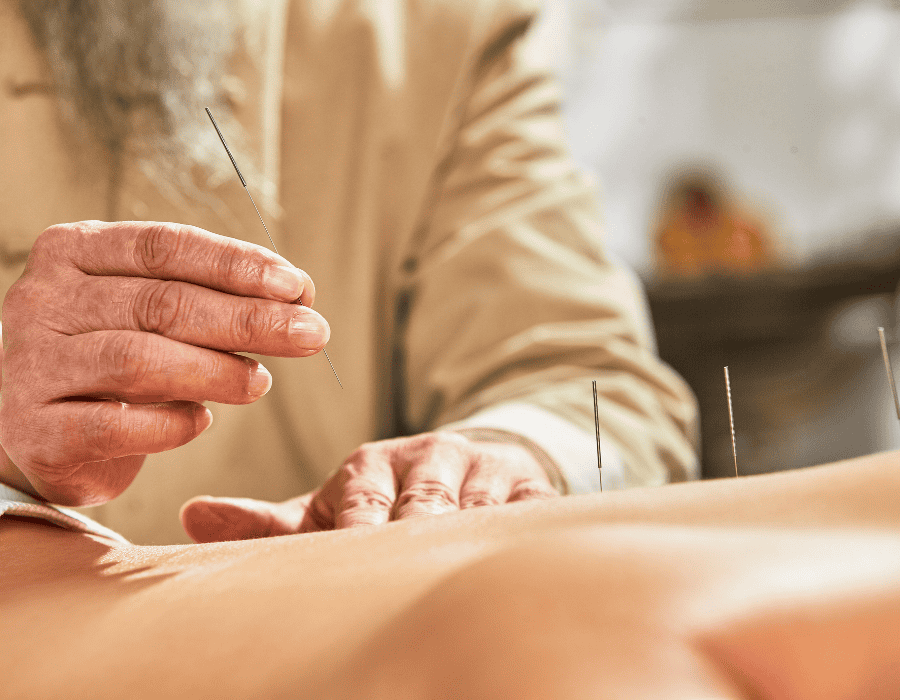
Acupuncture involves inserting very thin, sterile needles into specific points on the body to stimulate the flow of Qi. It is often used for pain relief but can also help with a wide range of other conditions.
Herbal Medicine
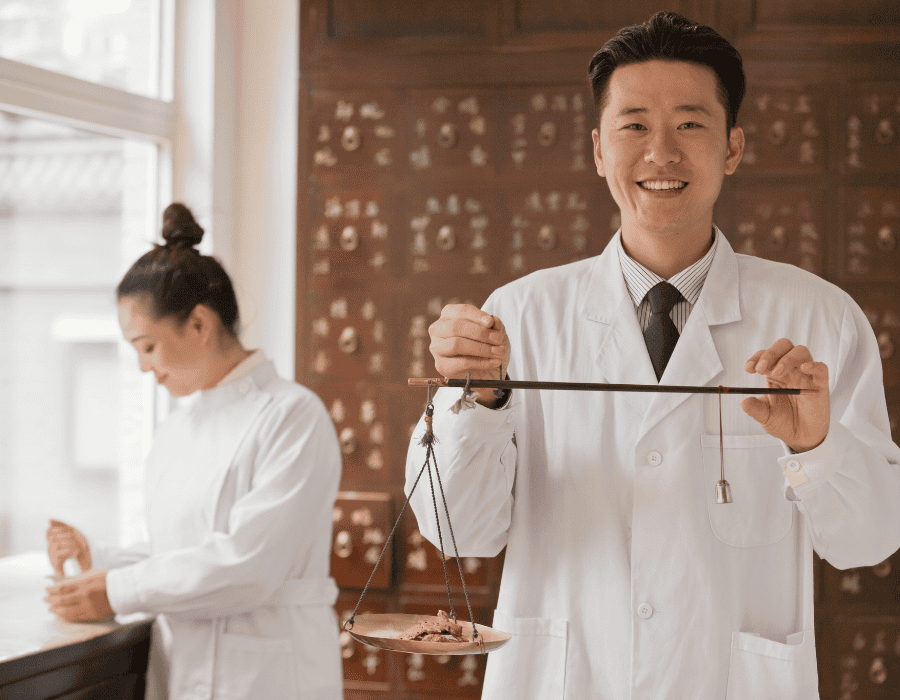
Herbal medicine uses plants, roots, and minerals to create personalized formulas. These aren’t just single herbs but complex prescriptions designed to address a person’s specific imbalance.
Cupping Therapy
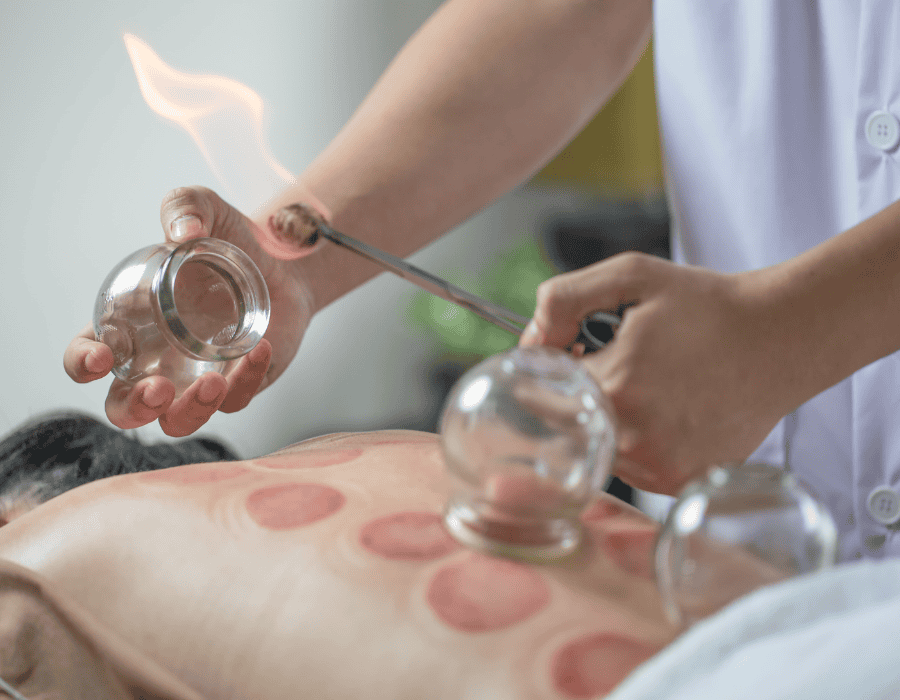
This therapy involves placing cups on the skin to create suction. Cupping is believed to help with pain, inflammation, and blood flow, and it’s a way to relax tense muscles and release blockages.
Tui Na (Therapeutic Massage)
Tui Na is a form of therapeutic bodywork that uses various hand techniques to open up blocked meridians and restore the flow of Qi. It’s more than just a massage; it’s a targeted treatment.
Dietary Therapy
In TCM, food is seen as medicine. A practitioner might recommend certain foods to eat or avoid based on your specific condition, helping to restore balance from the inside out.
What Does a TCM Consultation Look Like?
A visit to a TCM practitioner is often quite different from a typical doctor’s appointment. Your first consultation will likely be longer and more detailed, as the practitioner works to build a complete picture of your health.
You can expect them to be very observant. They will listen carefully to your concerns and ask a wide range of questions about your health, lifestyle, and emotional state.
Two of the most common diagnostic methods are tongue and pulse diagnosis. The practitioner will look at the shape, color, and coating of your tongue and feel the quality of your pulse at several points on your wrist. To a trained practitioner, these observations can reveal a great deal about the state of your internal organs and overall balance.
Is Traditional Chinese Medicine Safe?
For the most part, yes, especially when performed by a professional. However, safety depends heavily on the person you see. It is essential to find a qualified and licensed practitioner who is trained in the therapies they provide.
TCM can often be used alongside Western medicine as a complementary approach to support overall wellness. It’s important to have realistic expectations. While some people find immediate relief, for others, treatment is a gradual process of rebalancing the body over time.
If you’re traveling and want to explore local wellness practices, finding a trusted practitioner can feel challenging. Services like Air Doctor can help travelers connect with vetted local doctors and specialists, offering peace of mind when you’re seeking health advice in an unfamiliar place.
How TCM Can Help Travelers
Travel can disrupt our body’s natural rhythms, but some TCM principles can be especially helpful on the road.
Practices like acupuncture and dietary therapy can be used to address common travel-related issues like jet lag, stress, digestive upset, and fatigue. The idea of using food as medicine is particularly useful, as it encourages you to choose meals that support your body, like warming soups for a cold day or hydrating fruits in a hot climate.
Exploring TCM can also be a wonderful way to connect with the local culture and learn about different approaches to wellness while you travel. If you feel unwell and need any kind of medical support, having access to an app like Air Doctor can help you find a local, English-speaking doctor for a video consultation or clinic visit.
In Short
- Traditional Chinese Medicine is an ancient wellness system focused on holistic balance.
- Core concepts include Qi (life energy), Yin and Yang (harmony), and the Five Elements.
- Common treatments are acupuncture, herbal medicine, cupping, Tui Na, and dietary therapy.
- A consultation involves detailed observation, including tongue and pulse diagnosis.
- When practiced by a qualified professional, TCM is generally safe and can complement Western medicine.
- TCM principles can be useful for managing common travel-related issues like jet lag and stress.
About Air Doctor
With the Air Doctor app in your pocket, you can access medical care and receive expert medical guidance anywhere you travel.
Air Doctor offers a wide range of benefits, including:
- A global network of multi-lingual doctors and specialists
- Choice of clinic, at-home (hotel), and video consultations
- 24/7 multi-lingual support
- Transparent pricing and reviews
- Most common medical specialties, including cardiologists
FAQs
The main goal is to restore balance and harmony within the body. Instead of just treating symptoms, TCM aims to address the root cause of an illness, supporting the body’s natural ability to heal.
Most people do not find acupuncture painful. The needles used are extremely thin, and you may feel a slight pinch or a dull ache when they are inserted, but it is generally a relaxing experience.
Yes, many people use TCM as a complementary therapy alongside Western medical treatments. It’s always best to inform both your doctor and your TCM practitioner about all the treatments you are receiving.
Look for a practitioner who is licensed and has credentials from a recognized institution. Recommendations from trusted sources or healthcare providers can also be helpful. It’s important to find someone you feel comfortable with and who communicates clearly.