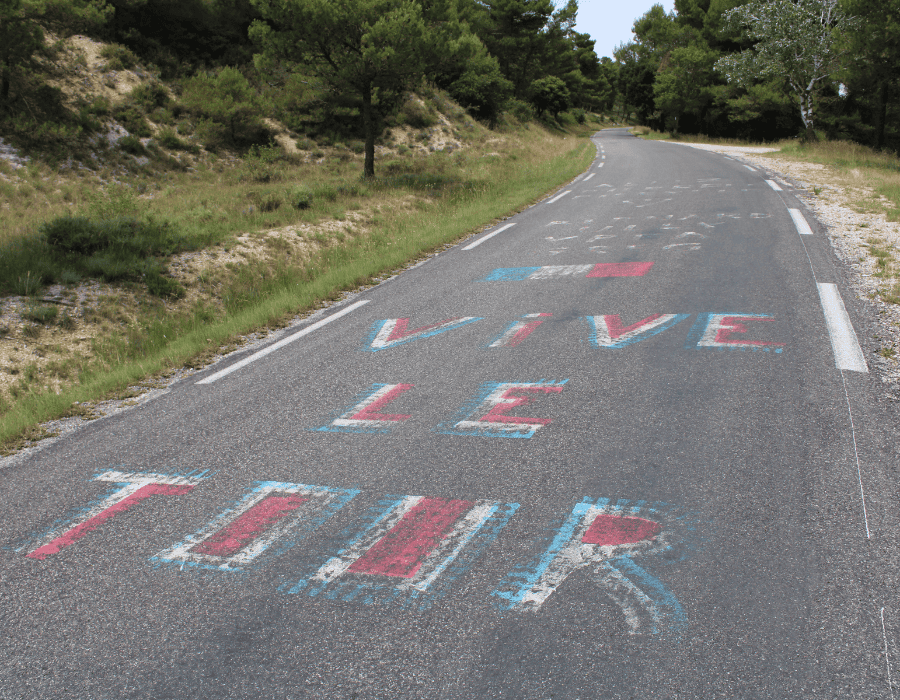
Watching the Tour de France from the roadside is an unforgettable experience. The atmosphere is electric, a mix of local festival and international sporting event. You wait for hours under the French summer sun, enjoying the festive build-up of the promotional “caravan” before the main event. And then, in a flash of color and a whir of gears, the peloton speeds past. It’s a thrill like no other.
But being a spectator is an endurance event in itself. The long days, the sun, and the crowds require a bit of planning. A little preparation can make all the difference between a fantastic memory and a day of discomfort. Here’s a practical guide to staying healthy and safe while you enjoy the magic of the Tour.
What to Pack for a Long Day on the Route
This isn’t a typical sightseeing day. You’ll likely be in one spot for hours, often with limited access to shops or facilities. Packing smart is the key to a comfortable day.
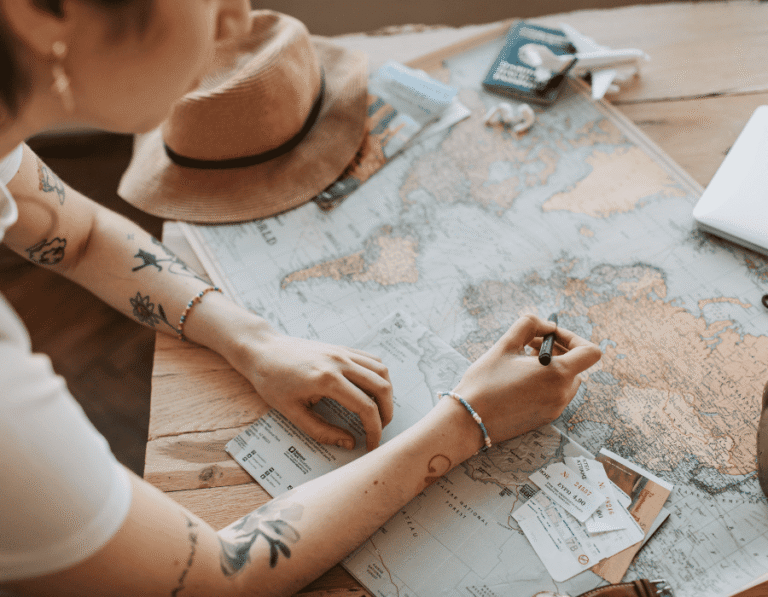
Think of it like a day-long picnic. Your essential packing list should include:
- Plenty of water: Pack more than you think you’ll need. It’s better to have extra than to run out.
- Sun protection: High-SPF sunscreen, sunglasses, and a wide-brimmed hat are non-negotiable.
- Snacks and a packed lunch: While some areas have food stalls, bringing your own ensures you’ll have plenty to eat and drink.
- A portable chair or blanket: You’ll be grateful for something to sit on after standing for a few hours.
- Layers of clothing: Even on a sunny day, the weather can change, especially in the mountains. A light jacket or fleece is a good idea.
- A raincoat or poncho: A sudden shower can pass through, and being dry makes everything better.
- A portable power bank: Your phone battery will drain faster than you expect while you’re taking photos and checking the race progress.
The Big Three: Sun, Heat, and Hydration
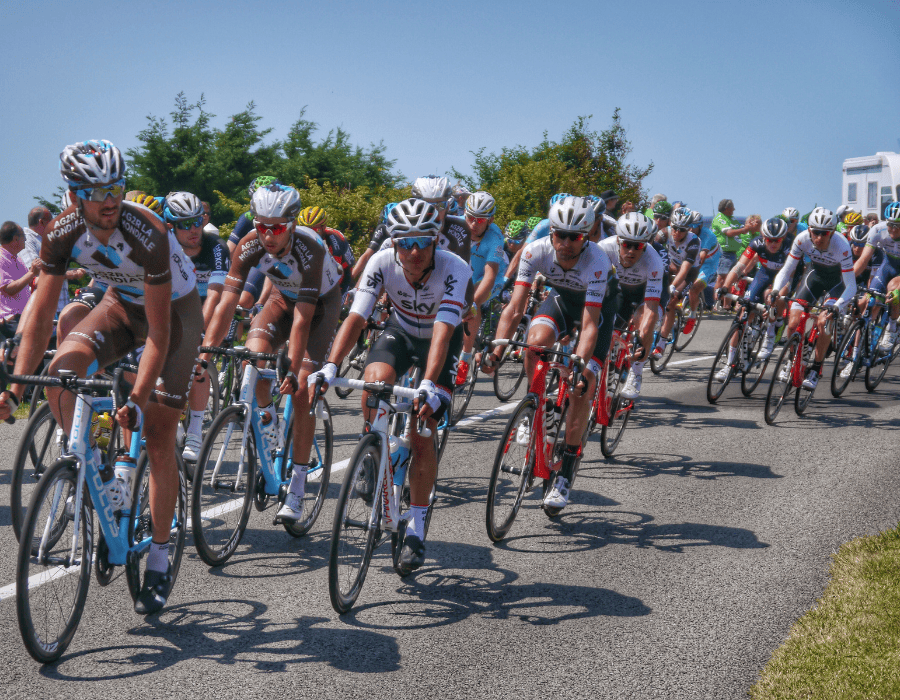
The biggest health risks for spectators at the Tour de France are simple: too much sun and not enough water. The July sun in France can be intense.
- Stay Hydrated: Drink water continuously throughout the day, even before you feel thirsty. Dehydration can cause headaches and fatigue, creeping up on you quickly.
- Sun Protection is Non-Negotiable: Apply a generous amount of sunscreen before you leave and reapply it every couple of hours. A nasty sunburn can ruin the rest of your trip.
- Seek Shade: If possible, try to find a viewing spot with some natural shade from a tree. If you’re in an exposed area, a small umbrella can provide personal shade while you wait for the race to arrive.
- Know the Signs of Heat Exhaustion: If you start to feel dizzy, develop a headache, or feel nauseous, these are signs that your body is overheating. Find a cool place to rest, drink water, and let someone know you’re not feeling well.
Food, Drink, and Staying Energized
You could be waiting for four to six hours between the road closing and the final riders passing. Keeping your energy levels up is important.
- Pack a Picnic: This is the easiest way to make sure you have enough food and drink for the day. Focus on non-perishable items like sandwiches, fruit, nuts, and granola bars.
- Be Smart About Alcohol: For many, a celebratory roadside glass of rosé is part of the fun, but remember that alcohol is dehydrating. If you choose to drink, be sure to alternate with plenty of water.
- Local Purchases: In towns and popular viewing spots, you’ll often find local stalls selling food and drinks. If you buy from a vendor, choose one that looks busy and clean.
- Roadside Safety and Navigating the Crowds: The race is an incredible spectacle of speed and power, which is why roadside safety is so important.
- Respect the Barriers and Officials: Race officials and police (gendarmerie) are there to keep you and the riders safe. Always stay behind the designated viewing areas and listen to their instructions.
- Watch Out for the Caravan: The promotional caravan, a parade of decorated vehicles, passes about an hour or two before the riders, throwing out freebies. It’s a fun part of the day, but be careful not to step into the road to grab something.
- Keep Kids and Pets Close: The excitement and noise can be overwhelming. If you have children or pets with you, keep a close eye on them at all times.
- Don’t Stand on the Road: Never stand on the road to take a photo. Riders and team cars use every inch of the pavement and come by much faster than you think.
- The Mountain Stages: Watching a stage in the Alps or Pyrenees is a truly unique experience, but it comes with its own set of challenges.
Weather Changes Fast
A sunny morning can turn into a cold, rainy, and windy afternoon in minutes. It is essential to pack warm layers, waterproof gear, and sun protection, as you can experience multiple seasons in one day.
Be Prepared to Walk
Access roads to mountain passes often close early. You may have to park your car kilometers away and hike to your viewing spot. Wear sturdy, comfortable shoes suitable for walking on uneven terrain.
Altitude Awareness
If you’re not used to high altitudes, you may feel tired or lightheaded more easily. Take it slow on your walk up, and be sure to drink extra water.
What to Do If You Feel Unwell
Even with the best preparation, you might find yourself needing medical assistance.
- First Aid Stations: The French Red Cross (Croix-Rouge française) and other medical services often have posts in busy spectator zones, especially at start and finish lines.
- Find a Pharmacy: Look for the green cross sign to find a Pharmacie. Pharmacists in France are highly knowledgeable and can provide over-the-counter remedies and first aid for minor issues like cuts, insect bites, or an upset stomach.
- When to Seek More Help: For non-emergency issues that still need a doctor’s attention, like a persistent stomach bug or a bad cold, finding a local clinic can be daunting, especially with a language barrier. In these situations, services like Air Doctor can connect you with an English-speaking doctor for a consultation right from your hotel or campsite.
- Emergency Number: The universal emergency number in France is 112. This will connect you to police, ambulance, or fire services.
Being a spectator at the Tour de France is a fantastic experience made even better with smart preparation. A little planning for your health and safety allows you to fully immerse yourself in the magic of the race.
In Short
- Pack more water than you think you’ll need, plus sunscreen, snacks, and layers.
- Hydrate constantly and protect yourself from the sun while you wait.
- Always stay behind the barriers and listen to race officials for your safety.
- For mountain stages, be prepared for changeable weather and long walks.
- The emergency number in France is 112.
- Being a prepared spectator is the key to a great day at the Tour.
About Air Doctor
With the Air Doctor app in your pocket, you can access medical care and receive expert medical guidance anywhere you travel.
Air Doctor offers a wide range of benefits, including:
- A global network of multi-lingual doctors and specialists
- Choice of clinic, at-home (hotel), and video consultations
- 24/7 multi-lingual support
- Transparent pricing and reviews
- Most common medical specialties, including cardiologists
FAQs
No, the Tour de France is a free event. You can watch from anywhere along the route, with the exception of some specific VIP areas at the start and finish lines.
The official Tour de France website publishes a detailed timetable (itinéraire horaire) for each stage. It provides estimated passing times for the caravan and the riders at various points along the route, based on different average speeds.
The caravan is a parade of decorated and branded vehicles from the Tour’s sponsors that travels the route about an hour or two ahead of the riders. They play music and throw free samples and merchandise to the crowds, adding to the festive atmosphere.
The single emergency number for police, ambulance, and fire services in France is 112.