Croatia is a country that seems tailor-made for unforgettable summer holidays. From sailing the sun-drenched Adriatic and exploring the ancient walls of Dubrovnik to hopping between the stunning Dalmatian islands, it’s easy to get lost in the beauty of it all. But as you plan your dream sailing trip or island getaway, a practical question might surface: “What happens if I get sick on a boat or a small island?”
It’s a common and valid concern for any traveler. The thought of needing a doctor in an unfamiliar country can be daunting, but with a little preparation, you’ll find that Croatia’s healthcare system is modern, accessible, and easy to navigate. This guide will walk you through what you need to know to explore with confidence.
Understanding the Croatian Healthcare System: Public vs. Private
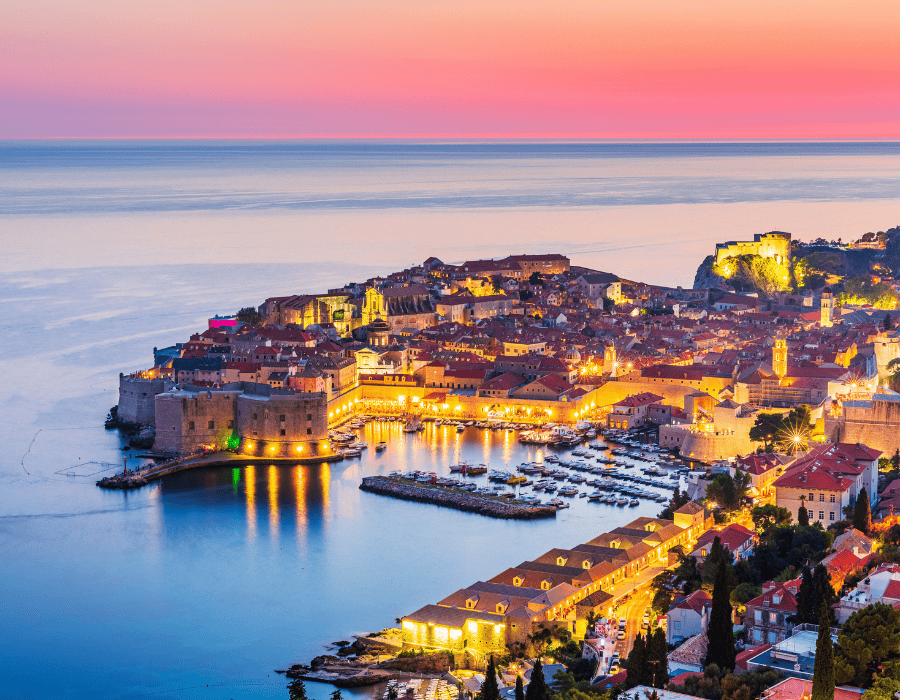
Like many countries in the European Union, Croatia has a two-tier healthcare system. Understanding the difference between the two is key for any visitor.
- Public Healthcare (HZZO) The Croatian Health Insurance Fund, known as HZZO, is the public healthcare system. It provides good quality care, especially in hospitals in major cities like Zagreb, Split, and Dubrovnik. This system is available to Croatian citizens and EU travelers who hold a valid European Health Insurance Card (EHIC). While the facilities are generally good, you may experience longer wait times for non-urgent issues.
- Private Healthcare For most tourists, the private healthcare system is the preferred option. A wide network of private clinics (poliklinika) and hospitals can be found in all major cities and tourist areas. They offer faster service, modern facilities, and are much more likely to have English-speaking doctors and staff, which can make a stressful situation much easier to handle.
The Role of Pharmacies (Ljekarna) in Croatia
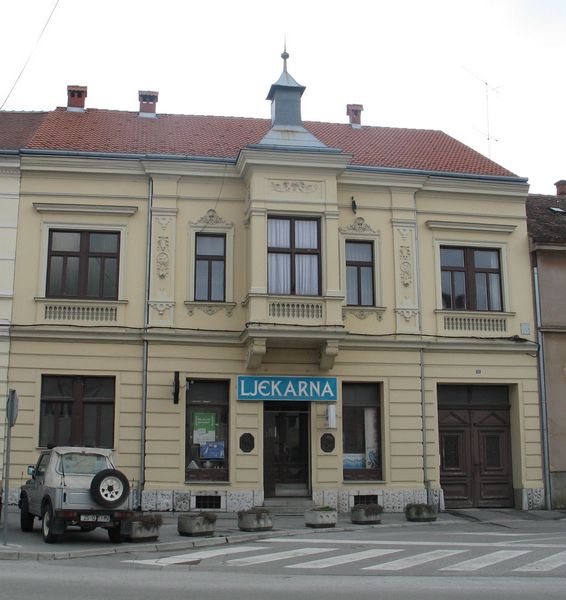
For any minor health issue, your first stop in Croatia should be the local pharmacy, or Ljekarna. You can easily spot them by their prominent green cross sign.
Croatian pharmacists are highly trained and can offer excellent, professional advice for common travel ailments like sunburn, sea-sickness, allergies, or minor cuts and pains. They can provide a range of over-the-counter medications and will let you know if your symptoms warrant a visit to a doctor. While many medications are available without a prescription, some stronger ones will require you to see a doctor first.
For after-hours or weekend needs, pharmacies operate on a rotation schedule. A notice posted on the door of any pharmacy will provide the address of the nearest one that is currently on duty.
Healthcare on the Croatian Islands
With over a thousand islands, island-hopping is a quintessential Croatian experience. However, the level of medical care can vary significantly from one island to the next.
Larger, more populated islands like Hvar, Brač, and Krk have medical clinics or small health centers that are well-equipped to handle common health problems.
On smaller, more remote islands such as Vis or Lastovo, medical facilities are very basic. You might find only a single doctor’s office or a part-time clinic. These are fine for minor issues, but they are not prepared for emergencies.
For any serious medical emergency on an island, you will need to be transported to a hospital on the mainland, usually in Split or Dubrovnik. This is often done by a speedboat or, in urgent cases, a helicopter. This is the single most important reason why travel insurance that includes medical evacuation coverage is absolutely vital for anyone planning to explore the Croatian islands.
For EU Citizens: Using the European Health Insurance Card (EHIC)
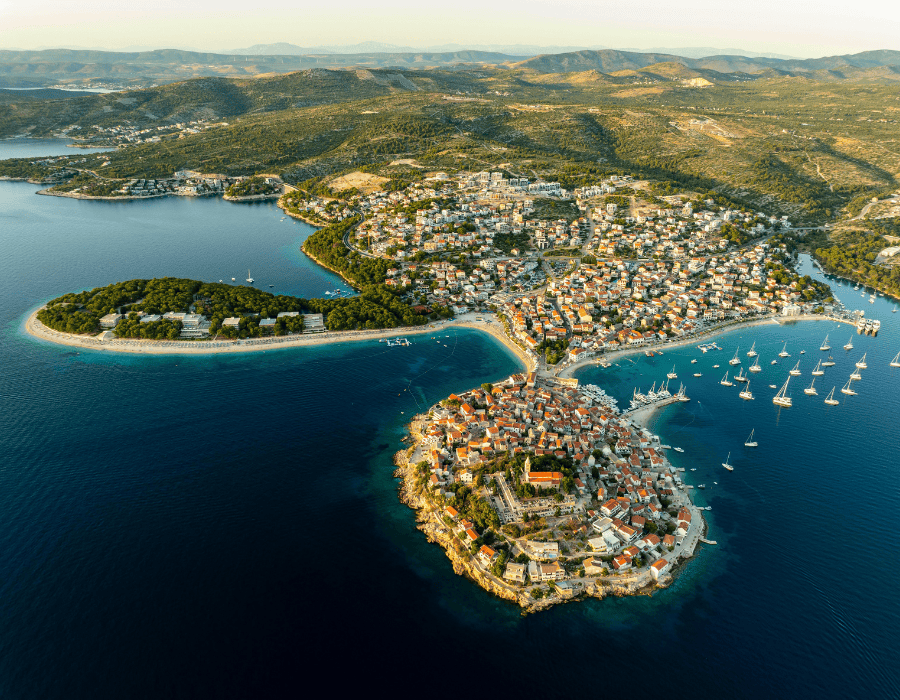
If you are a citizen of an EU country, your European Health Insurance Card (EHIC) is a valuable asset. It allows you to access Croatia’s public healthcare system (HZZO) on the same terms as a Croatian citizen.
However, it is crucial to understand its limitations. The EHIC does not cover private healthcare. If you choose to visit a private clinic for convenience, your EHIC will not be accepted. Most importantly, the EHIC does not cover medical evacuation, such as a helicopter transport from an island. It is a great safety net for basic care but should never be considered a replacement for comprehensive travel insurance.
What to Do in an Emergency
In any emergency situation in Croatia, there is one important number to remember.
- Dial 112: This is the single European Emergency Number. It is free to call and will connect you to all emergency services, including police, ambulance, and the fire department. Operators speak English and can dispatch the appropriate help to your location.
- Ambulance (194): While this is the direct number for ambulance services, 112 is the most reliable all-purpose number for travelers to use.
Why Travel Insurance is Essential for Croatia
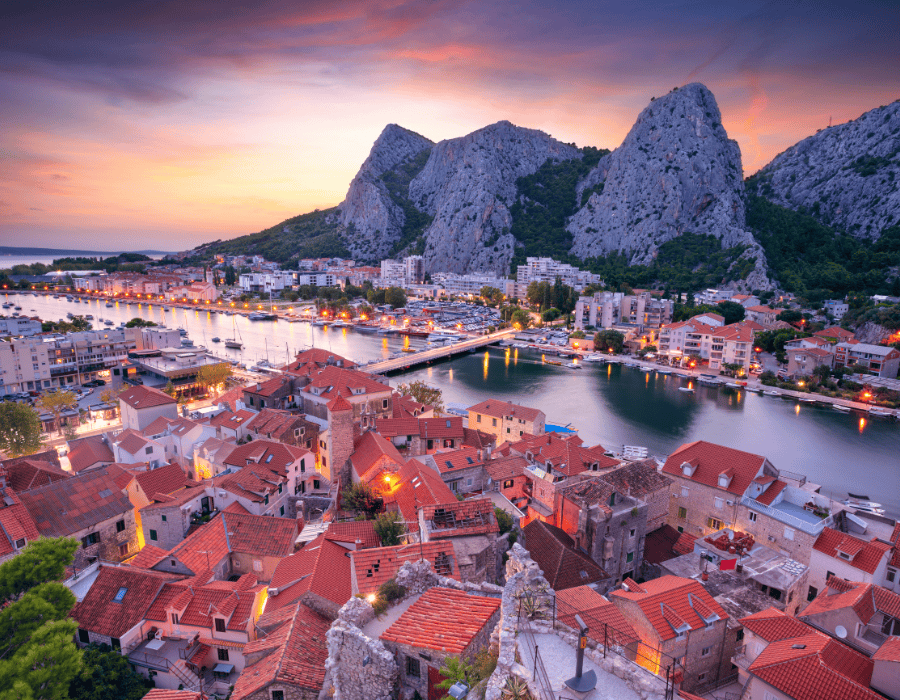
No matter where you’re from, traveling to Croatia with comprehensive travel insurance is essential.
For non-EU visitors, it is the only way to avoid paying out-of-pocket for all medical expenses, which can add up quickly, especially in the private system.
For EU visitors, it fills the significant gaps left by the EHIC. It allows you to use the faster private system and, crucially, covers the high cost of medical evacuation from an island or a remote coastal area.
How Air Doctor Can Help in Croatia
Even with preparation, finding a doctor quickly can be a challenge, especially if you’re on a sailing trip or staying on a smaller island. This is where Air Doctor can make a real difference.
Whether you’re exploring the historic streets of Dubrovnik or relaxing on the island of Hvar, the app can help you find and book an appointment with a vetted, English-speaking doctor near you. You can browse profiles, see costs upfront, and get the care you need without the stress.
The convenience of a video consultation is also a game-changer for travelers. If you have a non-urgent issue and need medical advice, you can connect with a doctor right from your hotel or boat, without having to interrupt your itinerary to find a clinic.
In Short
- Croatia has a modern healthcare system with reliable public and private options.
- Healthcare facilities on smaller islands are very limited; any serious issue will require medical evacuation to the mainland.
- The EHIC is useful for EU citizens in the public system but does not cover private care or medical evacuation.
- The universal emergency number for all services is 112.
- Travel insurance with comprehensive medical evacuation coverage is essential for all visitors to Croatia.
About Air Doctor
With the Air Doctor app in your pocket, you can access medical care and receive expert medical guidance anywhere you travel.
Air Doctor offers a wide range of benefits, including:
- A global network of multi-lingual doctors and specialists
- Choice of clinic, at-home (hotel), and video consultations
- 24/7 multi-lingual support
- Transparent pricing and reviews
- Most common medical specialties, including GPs and pediatricians
FAQs
Yes, if you are an EU citizen, you can use your EHIC to access public healthcare services in Croatia. However, it will not cover you for private treatment or for medical evacuation, so travel insurance is still highly recommended.
Dial 112. This is the pan-European emergency number that will connect you to police, ambulance, and fire services. Operators can assist you in English.
Yes, the tap water throughout Croatia is high quality and considered safe to drink.