Traveling to Italy often feels like a pilgrimage for anyone who loves food. Just thinking about the pasta, pizza, gelato, and fresh seafood can make your mouth water. With so many amazing flavors and dishes to discover, it’s easy to get overwhelmed. How do you find the really authentic, high-quality food and avoid the places meant for quick tourist stops?
This guide is here to help. We’ll break down the must-try dishes and the best eating spots in Italy’s most famous cities. From bustling markets to cozy trattorias, you’ll learn how to eat like a local, savor every bite, and make sure your Italian food adventure is everything you dreamed of.
How to Eat Like a Local in Italy
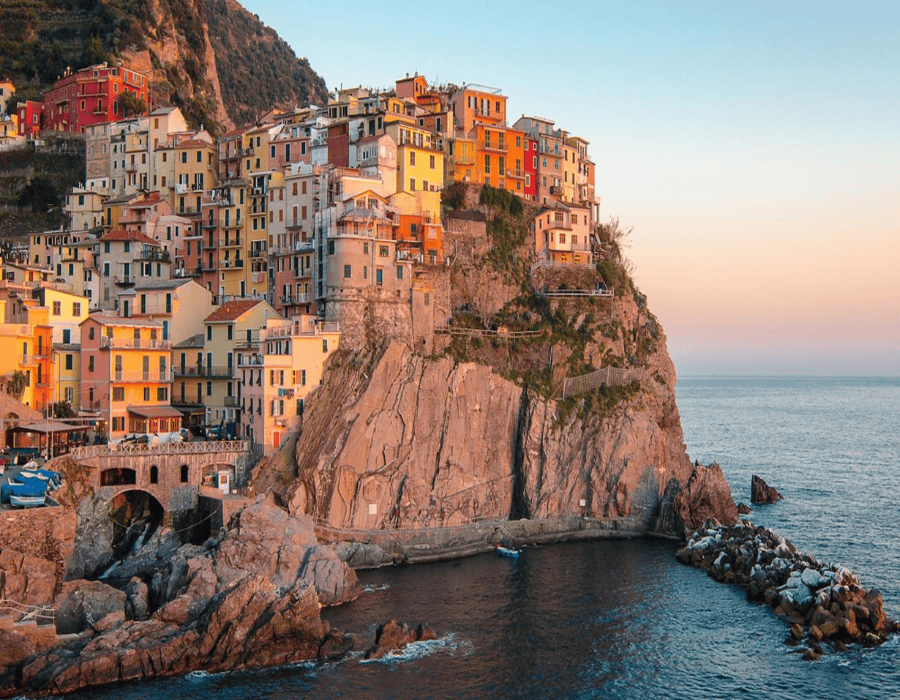
Eating in Italy is an experience. It’s not just about the food, but the pace, the company, and the way Italians approach their meals. Here are a few tips to help you blend in and enjoy your dining experiences more.
Understanding the Menu
Ristorante, Trattoria, or Osteria? It helps to know the difference between restaurant types. A ristorante is typically more formal, with a wider menu and higher prices. A trattoria is usually more casual, family-run, and offers regional dishes, often at a more reasonable price. An osteria was traditionally a simpler place serving wine and basic food, but today, many are similar to trattorias, focusing on local, seasonal dishes in a relaxed setting. Don’t be afraid to try all three to see what fits your mood.
The Courses of an Italian Meal
Italian meals are often structured into several courses. You don’t have to order them all, but knowing what they are can help you understand the menu.
- Antipasto: This is a starter, like cured meats, olives, or bruschetta.
- Primo: The first course, usually pasta, risotto, or soup. This isn’t a side dish; it’s a full, flavorful plate.
- Secondo: The second course, which is typically a meat or fish dish.
- Contorno: A side dish, often vegetables, ordered separately from the secondo.
- Dolce: Dessert, like tiramisu or panna cotta. It’s completely fine to just order a primo and a contorno, or simply a secondo. Eat what you feel like, but understand the traditional flow.
The “Coperto”
Don’t be surprised if your bill includes a “coperto.” This is a cover charge, usually a few euros per person, for bread and tableware. It’s a common practice in Italy and is not related to service, so it doesn’t replace a tip. It’s just part of the dining experience.
Coffee Culture
Italians have very specific coffee habits. If you want to drink coffee like a local, remember that cappuccinos are generally a morning drink, enjoyed with breakfast. After lunch or dinner, most Italians opt for a simple espresso. Ordering a cappuccino after a meal might mark you as a tourist, but hey, if you love it, go for it!
Best Eating Spots in Rome
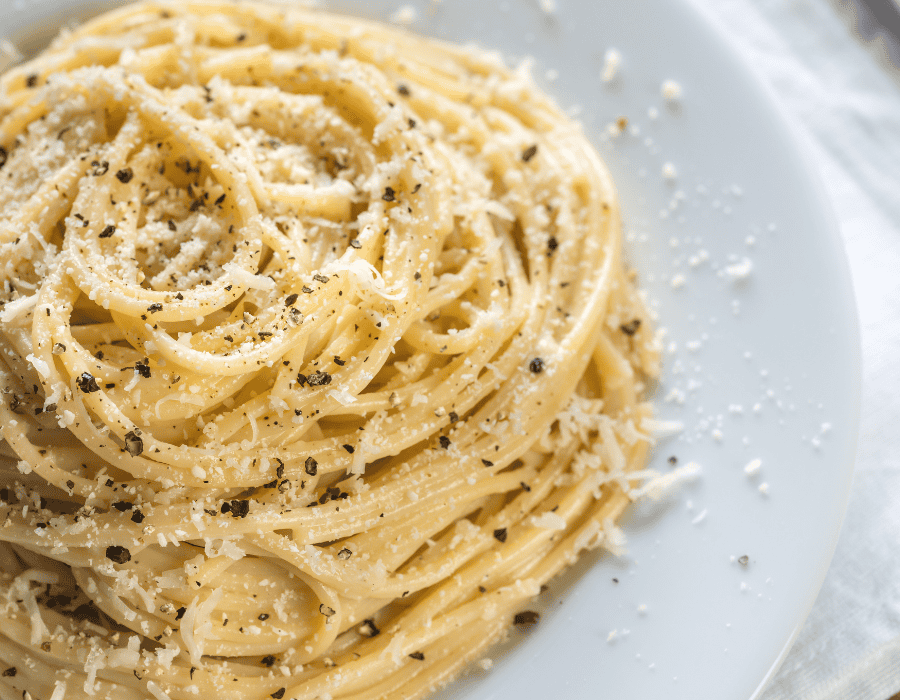
Rome is a city steeped in history, and its food is just as legendary. When looking for the best eating spots in Rome Italy, you’re often chasing down classic pasta dishes that have been perfected over centuries.
The Dishes
You can’t visit Rome without trying its iconic pasta dishes. Cacio e pepe (cheese and pepper) is deceptively simple but incredibly rich. Carbonara (eggs, Pecorino Romano, guanciale, and black pepper) is a creamy, savory delight. And amatriciana (guanciale, pecorino romano, tomatoes, and sometimes onion) offers a tangy, smoky flavor. Look for places that make their pasta fresh daily.
The Experience
For a truly Roman dinner, head to the charming, ivy-lined streets of Trastevere. This neighborhood on the west bank of the Tiber river is famous for its cozy trattorias where you can enjoy authentic Roman cuisine in a lively, atmospheric setting. Wander the cobblestone alleys until you find a spot that calls to you. Many have outdoor seating, perfect for people-watching.
For Something Different
Step back in time in Rome’s historic Jewish Ghetto. Here, you must try carciofi alla giudia, or Jewish-style fried artichokes. They are deep-fried until crispy on the outside and tender on the inside, a unique and delicious Roman specialty. This area offers a different culinary perspective on the city.
Market Culture
In the daytime, visit Campo de’ Fiori. While it’s known for its vibrant flower market, it’s also a fantastic place to grab fresh produce, local cheeses, and cured meats. You can assemble your own picnic or simply enjoy the lively atmosphere.
Best Eating Spots in Florence
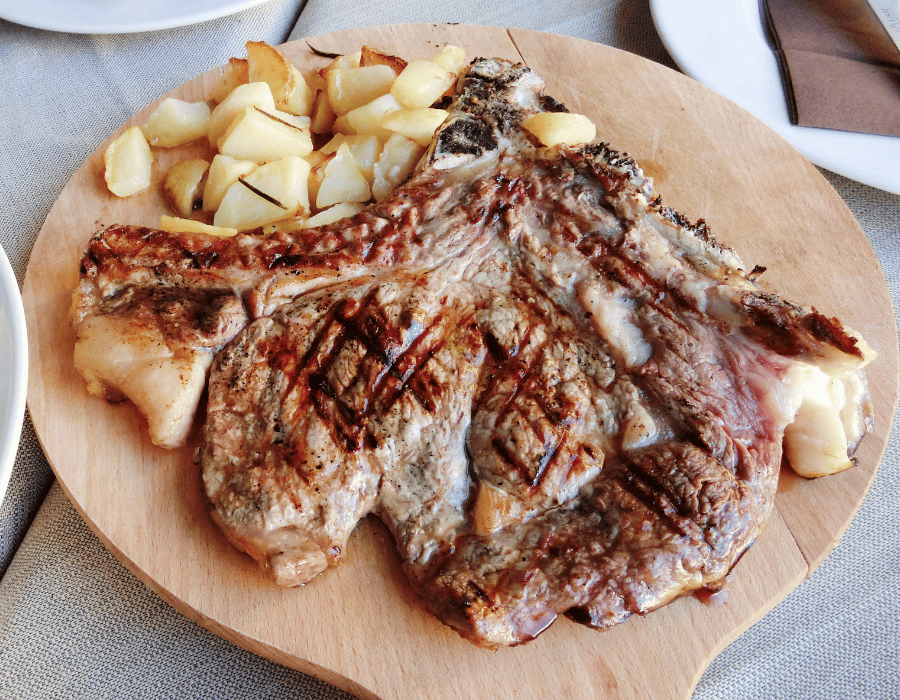
Florence, the heart of Tuscany, offers a more rustic and meat-centric culinary experience. When searching for the best eating spots in Florence Italy, you’ll want to focus on hearty, traditional Tuscan fare.
The Dish
The undisputed king of Florentine cuisine is Bistecca alla Fiorentina. This is a thick-cut, charcoal-grilled T-bone steak, typically Chianina beef, served rare. It’s usually ordered by weight and meant to be shared. The quality of the meat and the simple preparation are what make it so special. Don’t ask for it well-done!
The Experience
The Mercato Centrale is a must-visit spot for any food lover. The downstairs market is a bustling hub for fresh ingredients, from local produce to artisanal cheeses, meats, and olive oils. Upstairs, you’ll find a modern, high-quality food hall featuring a wide array of prepared foods, from pasta and pizza to lampredotto (a Florentine tripe sandwich). It’s a great place for lunch or an evening meal.
For Authentic Charm
Cross the Arno river to the Oltrarno neighborhood. This area is known for its artisan workshops and less touristy vibe. Here, you can find smaller, family-run osterias that offer traditional Tuscan dishes, often with a more intimate and authentic feel than those in the bustling city center. It’s a wonderful place to discover local favorites.
Best Eating Spots in Venice
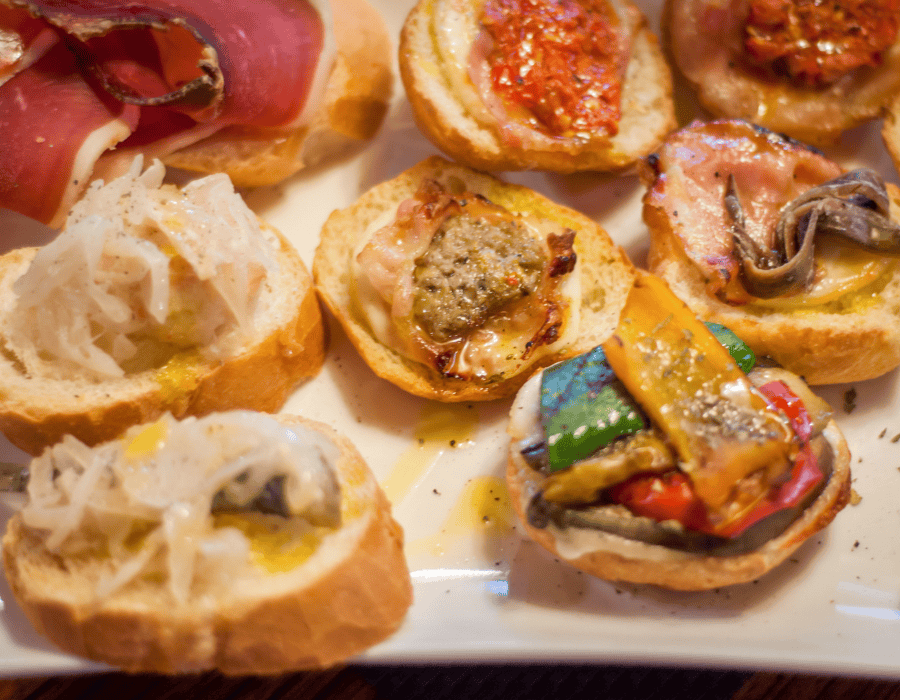
Venice, with its labyrinthine canals and unique atmosphere, also has its own distinct food culture. When considering the best eating spots in Venice Italy, think seafood and small, savory snacks.
The Dish
Cicchetti are Venice’s answer to tapas: small, savory snacks typically served in bacari (traditional Venetian wine bars). They range from small sandwiches and fried seafood to marinated vegetables. They are perfect for a light lunch, an afternoon snack, or as a pre-dinner appetizer with a glass of local wine (ombra).
The Experience
The best way to enjoy cicchetti and experience Venetian food culture is to do a “bacaro crawl.” Hop between several small, local wine bars in areas like Cannaregio or San Polo. This allows you to sample a variety of cicchetti and different local wines, all while soaking in an authentic Venetian atmosphere. It’s affordable and truly local.
For a Proper Meal
Given its location, Venice excels at seafood. For a proper meal, look for restaurants away from the main tourist drag of St. Mark’s Square. Try dishes like risotto al nero di seppia (squid ink risotto), sarde in saor (marinated sardines), or simple grilled fish. The Rialto Market is a great place to see the day’s fresh catch.
Best Eating Spots in Naples
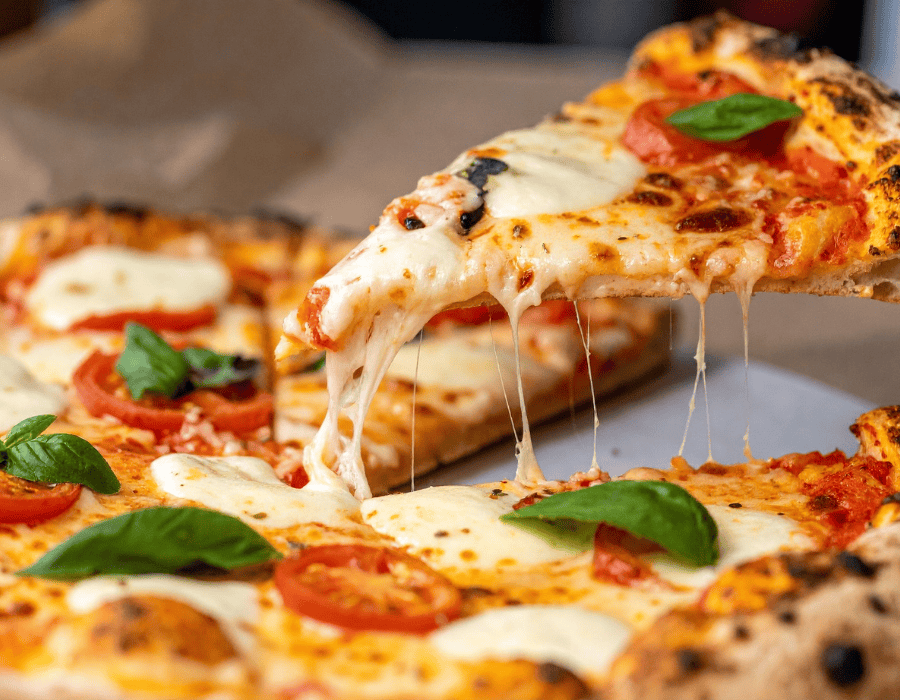
Naples is the vibrant, chaotic heart of southern Italy, and it’s the undisputed birthplace of pizza. When seeking the best eating spots in Naples Italy, pizza will undoubtedly be at the top of your list.
The Dish
This is it: the original. Pizza Napoletana is a UNESCO-recognized art form. It features a soft, chewy, yet crispy crust, made with specific ingredients and cooked in a wood-fired oven. The classic versions are Margherita (San Marzano tomatoes, mozzarella, fresh basil, olive oil) and Marinara (tomatoes, garlic, oregano, olive oil). Don’t expect pineapple or elaborate toppings here; the beauty is in the simplicity and quality.
The Experience
Head to Via dei Tribunali, often called “Pizza Alley,” to visit some of the city’s most historic pizzerias. Places like L’Antica Pizzeria da Michele are legendary. Be prepared for simple settings, possibly a wait, and an incredible, unforgettable pizza experience. It’s about the perfect dough and fresh ingredients.
Beyond Pizza
Naples boasts an amazing street food culture. Try sfogliatella, a shell-shaped pastry with a rich ricotta filling, perfect for breakfast or a snack. And don’t miss pizza fritta (fried pizza), a delicious, crispy, and often lighter alternative to its baked cousin. The markets and narrow streets are full of culinary treasures.
Best Eating Spots in Sorrento and the Amalfi Coast
The Amalfi Coast, with Sorrento as a popular gateway, offers breathtaking views and food that reflects its stunning coastal setting. For the best eating spots in Sorrento Italy and the surrounding region, think fresh, vibrant flavors.
The Dish
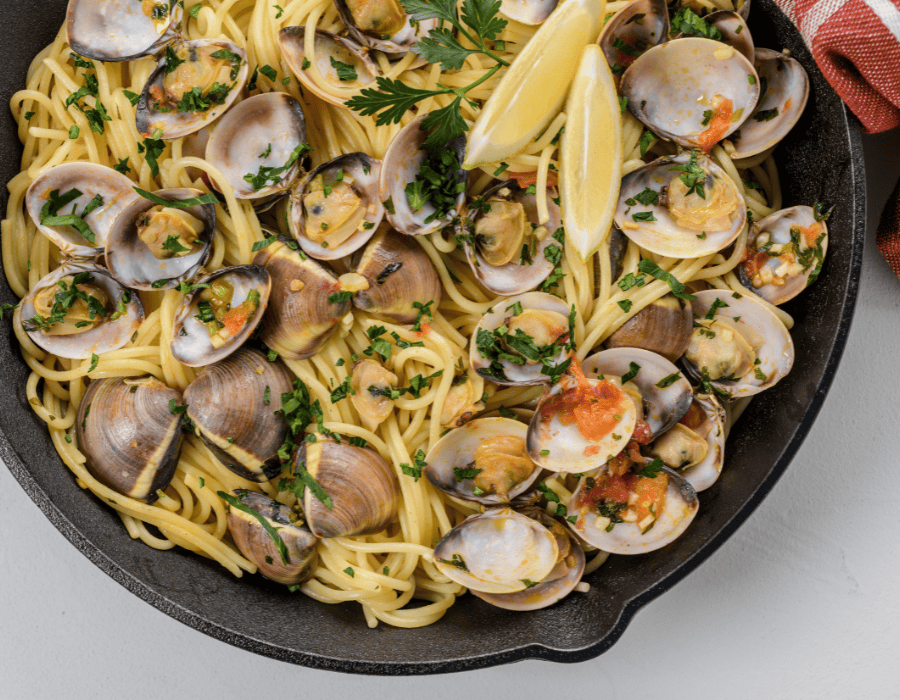
Naturally, fresh seafood is a highlight here. Grilled fish, spaghetti alle vongole (clams), and anything with local lemons are common. The famous Sorrento lemons are huge, fragrant, and less acidic than others, appearing in everything from main courses to desserts.
The Experience
Dining in Sorrento and along the Amalfi Coast is often about the view as much as the food. Seek out cliffside restaurants where you can enjoy your meal with stunning panoramas of the sea. The simple pleasure of eating freshly grilled fish, drizzled with local olive oil and a squeeze of fresh Sorrento lemon, while watching the sunset over the Bay of Naples, is an experience in itself.
A Regional Classic
Don’t leave the region without trying Gnocchi alla Sorrentina. This comforting dish features soft potato gnocchi baked in a rich tomato sauce with mozzarella and basil. It highlights the importance of fresh, local ingredients like San Marzano tomatoes and creamy mozzarella. And of course, finish your meal with a glass of limoncello, the famous lemon liqueur made from those incredible local lemons.
Staying Healthy on a Food-Focused Trip
Eating your way through Italy is a joy, but all that rich food, combined with travel, can sometimes take a toll on your stomach or energy levels. Here are a few practical tips to keep you feeling good.
- Pace Yourself: Italian food is delicious, but it’s also rich. Don’t feel like you have to eat everything at every meal. Listen to your body and enjoy smaller portions
- Stay Hydrated: Especially during the warm Italian summers, drinking plenty of water is key. It helps with digestion and prevents fatigue. Carry a reusable water bottle and refill it often.
- Walk It Off: Embrace the Italian tradition of the passeggiata, a leisurely evening stroll. It’s a wonderful way to digest a big meal, see the sights, and immerse yourself in local life. Plus, all that walking is good for you!
- If You Feel Unwell: Sometimes, despite your best efforts, you might get an upset stomach or feel under the weather. If you find yourself in this situation, services like Air Doctor can connect you with an English-speaking doctor. You can get advice or even schedule a video consultation right from your hotel room, saving you the stress of finding a local clinic or hospital in an unfamiliar country.
The best eating spots in Italy are often the ones that celebrate simple, fresh, and high-quality ingredients. Be adventurous, try new things, and most importantly, savor every moment of your Italian food journey.
In Short
- In Rome, head to Trastevere for classic pasta dishes like cacio e pepe and carbonara.
- In Florence, try the Bistecca alla Fiorentina and explore the bustling Mercato Centrale.
- In Venice, skip the tourist traps and enjoy cicchetti (Venetian tapas) at a local bacaro.
- In Naples, eating an authentic Pizza Napoletana on Via dei Tribunali is an absolute must.
- In Sorrento and the Amalfi Coast, focus on fresh seafood, anything made with local lemons, and Gnocchi alla Sorrentina.
- Pace yourself, stay hydrated, walk often, and enjoy Italy’s incredible food culture.
About Air Doctor
With the Air Doctor app in your pocket, you can access medical care and receive expert medical guidance anywhere you travel.
Air Doctor offers a wide range of benefits, including:
- A global network of multi-lingual doctors and specialists
- Choice of clinic, at-home (hotel), and video consultations
- 24/7 multi-lingual support
- Transparent pricing and reviews
- Most common medical specialties, including gastroenterologists
FAQs
A “coperto” is a cover charge, typically a few euros per person, added to your bill in Italian restaurants for bread and tableware. It’s a standard practice and not a service charge, so it doesn’t replace a tip.
Tipping in Italy is not as customary or as generous as in some other countries. A small tip (a few euros or rounding up the bill) for good service is appreciated, especially in tourist areas, but it’s not expected.
Yes, eating street food in Naples is generally safe and highly recommended for an authentic experience. Look for vendors with high turnover, fresh ingredients, and good hygiene practices, just as you would anywhere else.
A must-try food in Rome is a classic pasta dish like cacio e pepe, carbonara, or amatriciana. These dishes are iconic to the city and showcase simple yet incredibly flavorful ingredients.