Skip to content

Imagine wandering through the ancient ruins of Rome, savoring fresh pasta in a bustling trattoria, or enjoying the rolling vineyards of Tuscany. Italy is a feast for the senses, a destination that captivates the heart and mind. But as you plan your adventure, a practical thought might surface: “What happens if I twist an ankle on the cobblestones or get a fever in a small village?”
It’s a common concern for any traveler. The thought of navigating a foreign healthcare system can be daunting. The good news is that Italy has an excellent healthcare system that, with a little preparation, is very manageable for visitors. This guide will help you understand how it works, so you can focus on soaking in all the beauty and culture Italy has to offer with complete peace of mind.
Understanding the Italian Healthcare System: Public vs. Private
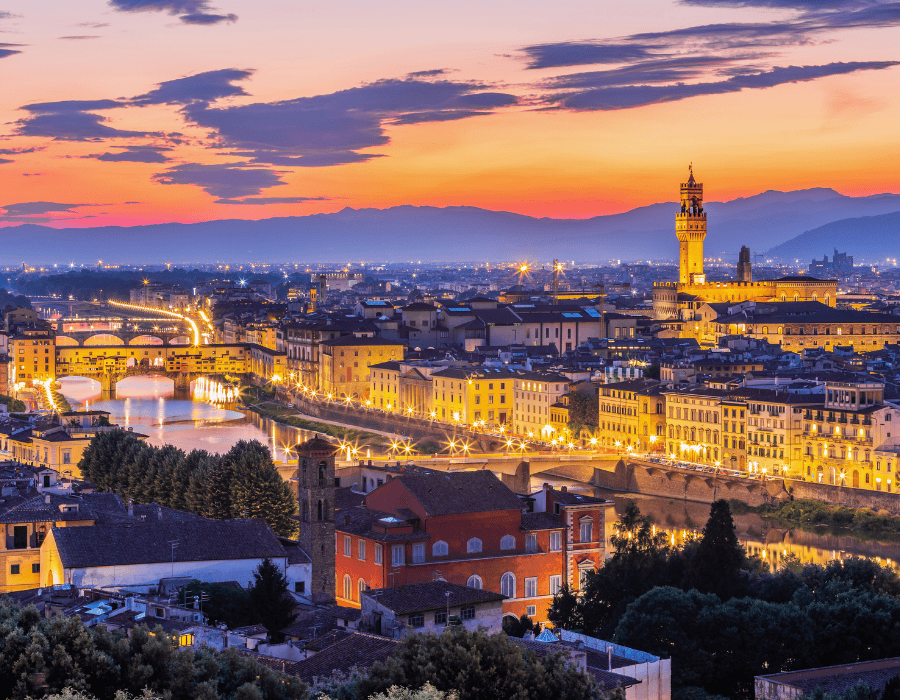
Italy operates a two-tier healthcare system. Knowing the difference between the two is key for any visitor, as it impacts costs, wait times, and the kind of service you can expect.
Public Healthcare (SSN)
Italy’s public system is called the Servizio Sanitario Nazionale (SSN). It’s a high-quality, comprehensive system that is managed regionally. For Italian citizens and EU travelers with an EHIC card, it provides essential care. While the standard of care is generally very good, particularly in larger hospitals, you might encounter longer wait times for non-urgent issues. You may also find that English-speaking staff are less common in public facilities, especially outside of major tourist hubs.
Private Healthcare
For most tourists, private healthcare is often the preferred choice. Italy has an extensive network of private hospitals and clinics (strutture private) throughout the country, especially in cities like Rome, Florence, and Milan. These facilities typically offer faster service, more modern amenities, and a higher likelihood of English-speaking doctors and staff. While more expensive than public options, they provide a level of convenience and comfort that many travelers appreciate when they are feeling unwell.
The Role of Pharmacies (Farmacia) in Italy
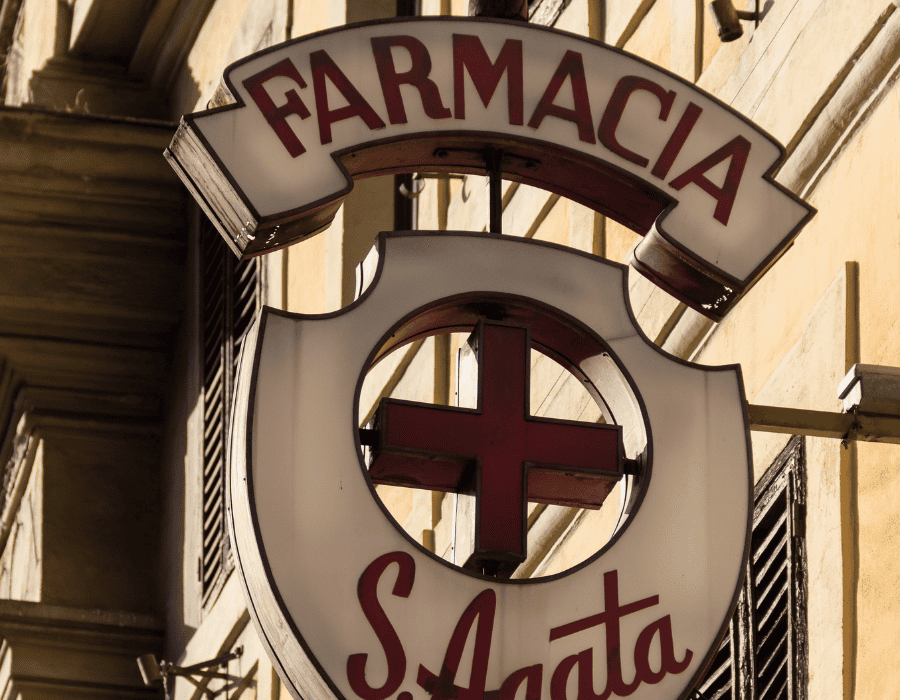
In Italy, the local Farmacia (pharmacy) is often a traveler’s best first stop for minor health concerns. You’ll recognize them by their prominent green cross sign, which is usually illuminated.
Italian pharmacists are highly trained medical professionals. They can offer expert advice for common travel ailments such as sunburn, insect bites, headaches, allergies, or an upset stomach. They can also recommend appropriate over-the-counter remedies. While many common medications are available this way, for others (like stronger antibiotics), you will need a doctor’s prescription.
Pharmacies also operate on a rotating schedule for after-hours and holiday service. If a pharmacy is closed, you will find a notice posted on its door indicating the address of the nearest farmacia di turno (pharmacy on duty).
Healthcare in Rural Areas & on the Islands
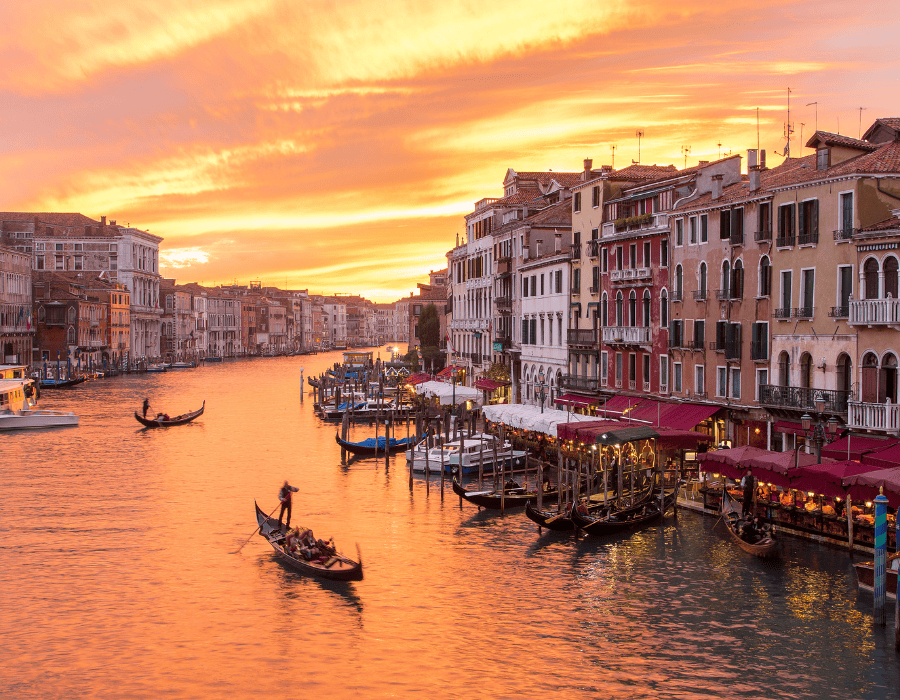
While Italy’s major cities boast excellent medical facilities, the availability and scale of healthcare can vary in more remote rural areas and on its many islands.
In smaller towns and villages across regions like Tuscany, Umbria, or the Dolomites, you’ll often find a Guardia Medica. This is a local medical clinic or on-call doctor service that provides basic medical assistance, especially during evenings, weekends, and holidays when regular doctors’ offices are closed. They are equipped for minor issues but not for serious emergencies.
Similarly, on Italy’s islands (from the large, self-sufficient Sicily and Sardinia to smaller gems like the Aeolian Islands or Elba) medical facilities can range from small clinics to basic emergency rooms. For anything serious, especially a major accident or illness, you will likely require transfer to a larger hospital on the mainland or a more equipped regional center. This is a crucial point, reinforcing why medical evacuation coverage is so important.
For EU Citizens: The European Health Insurance Card (EHIC)
If you are a citizen of an EU country, Norway, Iceland, Liechtenstein, or Switzerland, the European Health Insurance Card (EHIC)—often referred to as the TEAM card (Tessera Europea di Assicurazione Malattia) in Italy—is a valuable document. It allows you to access the Italian public healthcare system (SSN) on the same terms as an Italian citizen. This means you will receive state-provided healthcare at a reduced cost or sometimes for free, depending on the service and region.
However, it’s really important to understand the EHIC’s limitations. It does not cover private healthcare. If you choose to visit a private clinic or hospital for faster service or English-speaking staff, you will be responsible for the full cost. Most importantly, the EHIC does not cover medical evacuation or repatriation back to your home country. While it’s a great safety net, it is not a substitute for comprehensive travel insurance.
What to Do in an Emergency
Knowing the right number to call in a crisis can make all the difference.
- Dial 112: This is the single European Emergency Number. It works throughout Italy and connects you to all emergency services: police (Carabinieri or Polizia di Stato), fire department (Vigili del Fuoco), and ambulance (Ambulanza). Operators are usually able to assist you in English. This is the most important number for any traveler to remember.
- Medical Emergency (118): While 112 is the all-purpose emergency number, 118 is the direct line for medical emergencies and ambulances. For tourists, 112 is generally more reliable as a first point of contact.
Why Travel Insurance is Essential for Italy
Regardless of whether you’re an EU citizen or not, comprehensive travel insurance is an absolute must-have for any trip to Italy.
For non-EU visitors, it is your only protection against potentially high out-of-pocket medical costs. A visit to a private doctor, let alone a hospital stay, can quickly become expensive without coverage.
For EU travelers, travel insurance fills the significant gaps left by the EHIC. It gives you the flexibility to choose private medical care for its convenience and peace of mind, and it critically covers medical evacuation and repatriation. If you need to be transported from a small island or a remote mountain region to a major hospital, or even back to your home country, these costs can be astronomical without insurance.
How Air Doctor Can Help in Italy
Even with all the right information, finding a doctor when you’re feeling unwell in a foreign country can be stressful. Air Doctor simplifies this process, making it easier to connect with trusted medical care across Italy.
Whether you’re exploring the Uffizi Gallery in Florence, enjoying the beaches of the Amalfi Coast, or cycling through a small village in Sicily, the Air Doctor app can help you find and book an appointment with a vetted, English-speaking doctor near you. You can read reviews, see costs upfront, and get the care you need without the language barrier or the confusion of an unfamiliar system.
The app also offers the convenience of telemedicine. For many minor issues (a lingering cold, a rash, or general travel fatigue) a video consultation with a doctor can be the perfect solution. You can get professional medical advice from the comfort of your hotel room, allowing you to quickly get back to enjoying your Italian adventure.
In Short
- Italy has a modern healthcare system with both public (SSN) and private options.
- Pharmacies (Farmacia) are an excellent first stop for minor health concerns.
- Healthcare in rural areas and on smaller islands can be limited, requiring transfer for serious issues.
- The EHIC is useful for EU citizens in the public system but does not cover private care or medical evacuation.
- The universal emergency number for all services in Italy is 112.
- Comprehensive travel insurance, especially with medical evacuation coverage, is essential for all visitors.
About Air Doctor
With the Air Doctor app in your pocket, you can access medical care and receive expert medical guidance anywhere you travel.
Air Doctor offers a wide range of benefits, including:
- A global network of multi-lingual doctors and specialists
- Choice of clinic, at-home (hotel), and video consultations
- 24/7 multi-lingual support
- Transparent pricing and reviews
- Most common medical specialties, including cardiologists, GPs, and gynecologists
FAQs
Yes, if you are an EU citizen, your EHIC allows you to access Italy’s public healthcare system (SSN) on the same terms as an Italian resident. However, it does not cover private medical care or medical evacuation, so travel insurance is still highly recommended.
Dial 112. This is the single European emergency number that connects you to all emergency services (ambulance, police, fire), and operators can assist you in English.
Yes, Italian pharmacists are highly trained and are an excellent resource for minor health issues, offering advice and recommending over-the-counter remedies. They are often the first point of contact for travelers needing medical guidance.
Yes, tap water in Italy is generally safe to drink across the country, including in cities and towns. It is regularly tested and meets high European standards.