Traveling is exciting, but nothing can derail your trip faster than getting sick abroad. If you’re in Hong Kong and feeling unwell, don’t worry — we’ve got you covered. From hospitals and urgent care to pharmacies, insurance tips, and English-speaking doctors, this guide walks you through exactly what to do if you get sick in Hong Kong.
Understanding Hong Kong’s Healthcare System

Hong Kong has one of the best healthcare systems in the world. It combines public hospitals and clinics run by the Hospital Authority with private hospitals and medical centers.
- Public healthcare: Affordable and high quality, but wait times can be long.
- Private healthcare: Much faster service, world-class specialists, but costs are higher.
If you’re a traveler, private healthcare is usually the quicker option — especially if you have travel insurance that covers the bills.
Emergency Medical Care
Here’s what you need to know about emergency care in Hong Kong.
Essential Emergency Numbers
- 999 – Ambulance, police, and fire
- Hong Kong Fire Services – First responders for emergencies
How to Call an Ambulance in Hong Kong
Dial 999, state your location clearly, and request an ambulance. Most operators speak English.
When to Go to a Hospital vs. Urgent Care
- Hospital: For serious emergencies — chest pain, accidents, broken bones, or anything life-threatening.
- Urgent care/clinics: For minor illnesses like flu, stomach upsets, or mild infections.
Pharmacies & Medication: What You Need to Know
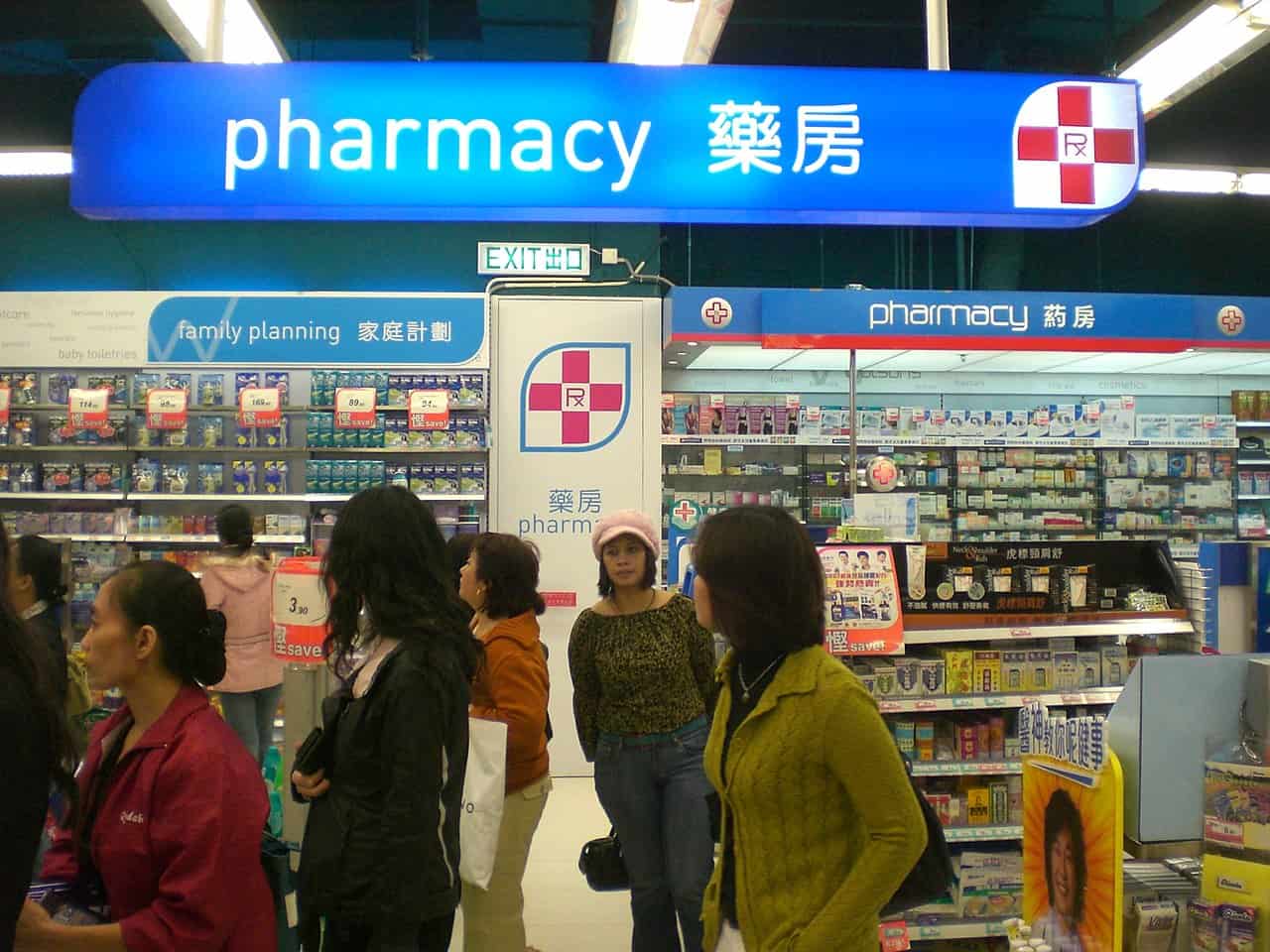
Pharmacies are common in Hong Kong and usually open during normal shopping hours. For late-night needs, you’ll find 24/7 pharmacies in central districts like Causeway Bay and Tsim Sha Tsui.
Some medications require doctor’s notes (like antibiotics), but over-the-counter options for colds, pain, and stomach issues are widely available.
What to Do if You’ve Got Travel Insurance
If you have insurance, you can avoid steep private hospital bills.
Keep these documents ready:
- Insurance policy and contact details
- Passport copy
- Medical receipts and reports
Pro tip: Contact your insurance provider before treatment if possible — they may guide you to a preferred hospital or direct billing facility.
Language Barriers
Most doctors in private hospitals and clinics speak excellent English. In public facilities, English is spoken too, but having a few phrases can help:
- I feel sick: 我覺得不舒服 (Ngo gok de bat syu fuk)
- I need a doctor: 我需要睇醫生 (Ngo seoi yiu tai yi sang)
How to Avoid Getting Sick in Hong Kong
- Common traveler illnesses: Food poisoning, flu, and stomach bugs.
- Tap water: Safe to drink in most urban areas, but many travelers prefer bottled water.
- Food safety: Street food is generally safe, but choose stalls with high turnover and good hygiene practices.
Healthcare Tips for Pregnant Travelers & Those with Pre-Existing Conditions
Hong Kong has excellent specialists in obstetrics, cardiology, and other fields. If you’re pregnant or managing a condition, keep a copy of your medical records and prescriptions with you.
Finding an English-Speaking Doctor in Hong Kong
This is often the biggest challenge for travelers — finding a reliable, English-speaking doctor quickly.
That’s where Air Doctor comes in. With just a few taps, you can book an appointment with a trusted local doctor in Hong Kong, many of whom are available for same-day visits.
Getting Help Beyond Healthcare
Embassies and consulates can help if you’re hospitalized or need official documentation. They can:
- Assist with emergency passports
- Help contact family
- Provide lists of approved clinics
Traditional Chinese Medicine (TCM): A Common Option
In Hong Kong, you’ll notice Traditional Chinese Medicine (TCM) clinics are quite common and widely used alongside Western medicine. For many locals, TCM is a go-to for a range of health concerns, especially for chronic conditions, preventative care, or even common ailments like colds or digestive issues.
TCM focuses on holistic healing, aiming to restore balance in the body through methods that often seem different from what you might be used to. Common practices include:
- Acupuncture: Involves placing thin needles at specific points on the body to stimulate energy flow.
- Herbal Medicine: Uses customized blends of natural ingredients to treat imbalances.
- Cupping and Tui Na (Massage): Physical therapies to relieve tension and promote circulation.
If you’re curious about TCM, or if it’s a type of treatment you already use, Hong Kong offers many reputable clinics. It’s always best to seek out a licensed and experienced practitioner, especially if you’re new to these therapies.
Staying Healthy While Traveling in Hong Kong
Hong Kong is a bustling city, and staying healthy often means being mindful of your surroundings and the local climate.
Managing the Heat and Humidity
Hong Kong can be very hot and humid, especially from May to September. Drink plenty of water throughout the day, even if you don’t feel thirsty. Use air-conditioned spaces to cool down regularly, wear light and breathable clothing, and seek shade when exploring outdoors. Dehydration and heat exhaustion can sneak up quickly.
Navigating Crowded Spaces and Public Transport
Hong Kong is densely populated, and public transport is incredibly efficient but often crowded. Wash your hands frequently, or use hand sanitizer, especially after touching handrails or public surfaces. If you’re traveling during cold and flu season, or if you feel a bit under the weather, wearing a mask on crowded transport can also help prevent the spread of germs.
Staying Safe on Hiking Trails
If you plan to explore Hong Kong’s beautiful hiking trails, make sure you’re prepared. Wear appropriate footwear, bring enough water, and check weather conditions before heading out. Trails can be steep and slippery, especially after rain. Let someone know your route, and be aware of any local wildlife.
In Short
- Hong Kong offers excellent public and private healthcare options.
- Pharmacies like Watsons and Mannings are great for minor ailments.
- Private clinics are usually the most convenient for travelers seeking a doctor.
- Traditional Chinese Medicine is a widely accepted and accessible healthcare option.
- Travel insurance is highly recommended to cover potential medical costs.
- Remember the emergency number: 999.
- Stay hydrated, practice good hygiene, and wear appropriate footwear for city and trails.
About Air Doctor
With the Air Doctor app in your pocket, you can access medical care and receive expert medical guidance anywhere you travel.
Air Doctor offers a wide range of benefits, including:
- A global network of over 20,000 multi-lingual doctors and specialists
- Choice of clinic, at-home (hotel), and video consultations
- Healthcare access in 90 countries
- 24/7 multi-lingual support
- Transparent pricing and reviews
- Most common medical specialties, including cardiologists, gynecologists, and ENT specialists
FAQs
No. Healthcare in public hospitals is subsidized for residents, but tourists must pay in full.
Private consultations typically range from HKD 300–1,000 (USD 40–130), depending on the clinic and specialist.
Yes. Many private clinics and urgent care centers accept walk-ins, though appointments are recommended for faster service.