Thailand is a dream destination for many travelers. With its stunning landscapes, vibrant culture, and incredible food, it’s easy to see why millions of people visit every year. But when you’re far from home, the thought of getting sick or needing a doctor can feel stressful.
The good news is that Thailand is a major hub for medical tourism, known for its high-quality healthcare that is surprisingly accessible to foreigners. Navigating a new country’s medical system can be intimidating, but a little preparation goes a long way. This guide will walk you through how healthcare works in Thailand, so you can enjoy your trip with extra peace of mind.
Understanding Thailand’s Healthcare System: Public vs. Private

Thailand has a two-tier healthcare system, and for travelers, it’s helpful to know the difference.
- Public Hospitals: These government-run hospitals provide affordable care and are used by the majority of Thai citizens. While the doctors are well-trained, you might face long wait times and language barriers. For foreigners, public hospitals are generally an option in major cities for emergencies, but they may not be the most comfortable choice.
- Private Hospitals: This is the preferred choice for most travelers, expats, and medical tourists. Private hospitals in Thailand are famous for their modern facilities, English-speaking staff, and high standards of care that are often compared to staying in a hotel. Major hospital groups like Bumrungrad International and Bangkok Hospital Group have international accreditation and are experienced in treating foreign patients.
Pharmacies in Thailand: What to Know
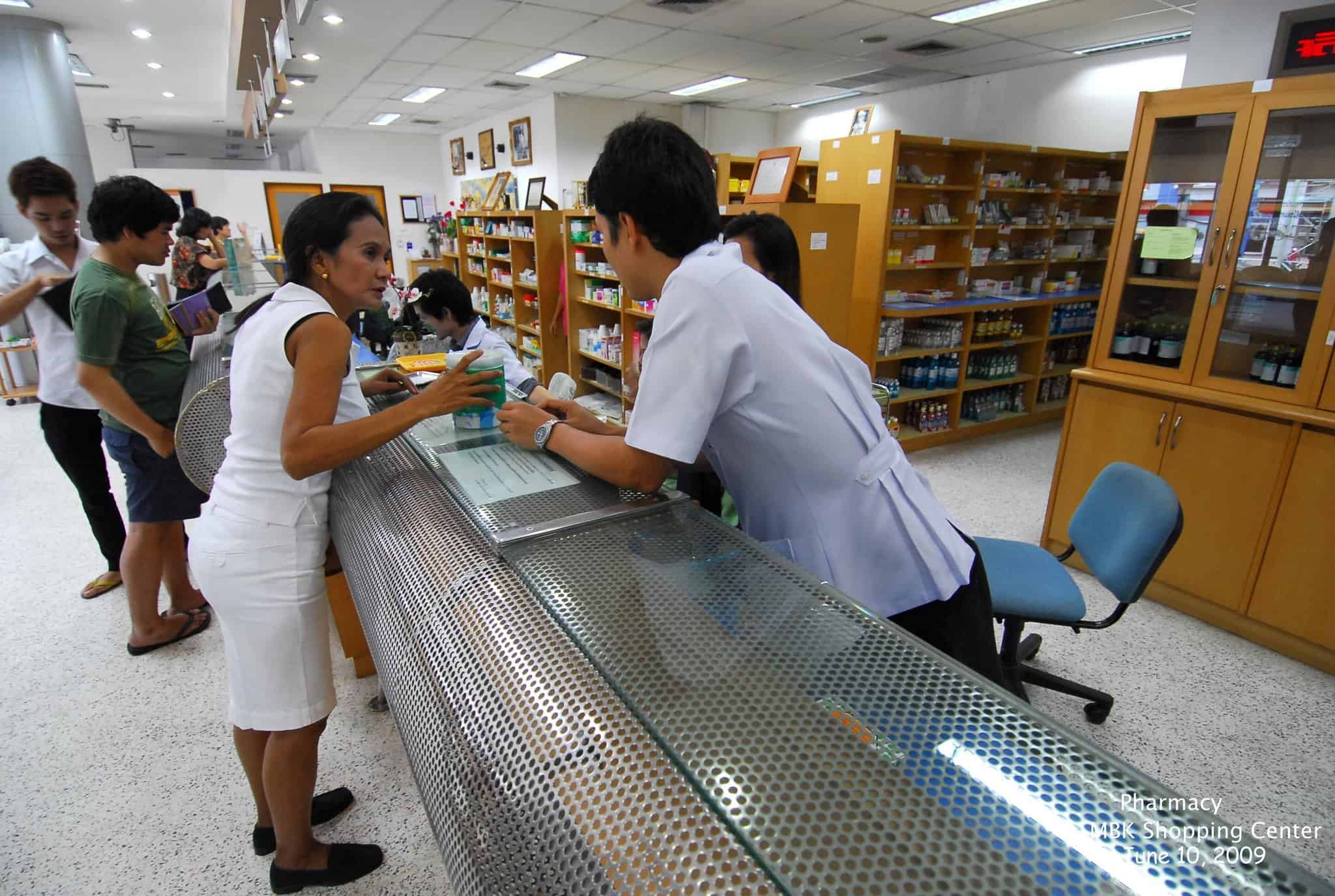
You’ll find pharmacies almost everywhere in Thailand, especially in cities and tourist areas. They are easy to spot with their signature green cross signs. Besides independent shops, you’ll see familiar chains like Boots and Watsons.
One of the biggest differences you’ll notice is that many medications requiring a prescription in Western countries can be purchased over the counter in Thailand. This often includes certain antibiotics, which can be convenient for common travel ailments. However, it’s always wise to consult a professional. Pharmacists, especially in tourist-heavy areas, usually speak enough English to help you find what you need.
It’s a good idea to know the generic name of any medication you use, as brand names can vary from country to country.
Clinics vs. Hospitals: Where Should You Go?
Deciding where to go for medical care depends on how serious your issue is.
- Local Clinics: For minor problems like a cold, a small cut, or a routine check-up, a local clinic can be a good option. The quality can vary, but they are suitable for non-urgent issues.
- Private Hospitals: For anything more serious, a private hospital is your best bet. They offer comprehensive services, from emergency rooms to specialist doctors, and are well-equipped to handle nearly any medical need a traveler might have.
Paying for Medical Care in Thailand
While Thailand is known for being an affordable travel destination (with amazing food), the cost of medical care at private hospitals can be surprisingly high. Prices can sometimes be more expensive than in Western Europe for certain treatments, though still significantly cheaper than in the United States.
At private hospitals, you’ll probably be required to pay for services upfront or provide proof of insurance before you are discharged. It’s also worth noting that costs for tourists can be higher than for Thai citizens or legal residents. The good news is that pricing is generally transparent, so you will know what you are paying for.
What to Do in an Emergency

Knowing who to call in an emergency can make a stressful situation much more manageable. Save these numbers in your phone before you travel.
- Tourist Police (1155): This is the most important number for a traveler to know. The operators speak English and can coordinate with the right emergency service, whether you need police, an ambulance, or other assistance.
- Ambulance (1669): This is the main number for medical emergencies across the country.
- General Emergency (191): This is the central emergency number, similar to 911, but you may encounter language barriers.
Many private hospitals also have their own ambulance services that you can call directly.
Why Travel Insurance Is Essential for Thailand
While you are not required to have travel insurance to enter Thailand, it is highly recommended by virtually all official sources. Many travelers don’t realize that their domestic health plans, including U.S. Medicare, often do not cover them overseas.
Without insurance, the cost of a medical emergency or evacuation can be incredibly high. Hospitals will require payment, and a serious incident could lead to a massive bill. Having a good travel insurance policy is the best way to protect yourself from financial stress and ensure you get the care you need.
How Air Doctor Can Help in Thailand
Even with the best preparation, figuring out where to go when you’re feeling sick in a foreign country is stressful. Air Doctor simplifies the process by helping you find a trusted, English-speaking doctor in Thailand.
The platform allows you to choose the type of consultation that works best for you, whether it’s a video consultation from your hotel room, a visit to a local clinic, or having a doctor come directly to you. It removes the guesswork and anxiety, so you can focus on feeling better.
In Short
- Thailand has a high-quality healthcare system, especially in its private hospitals.
- For tourists, private hospitals are the recommended choice for most medical issues.
- Pharmacies are widespread, and many medications are available over the counter.
- In an emergency, call the Tourist Police at 1155 for English-speaking assistance.
- Travel insurance is not mandatory but is essential to cover potentially high medical costs.
- Payment for medical care is typically required upfront at private facilities.
About Air Doctor
With the Air Doctor app in your pocket, you can access medical care and receive expert medical guidance anywhere you travel.
Air Doctor offers a wide range of benefits, including:
- A global network of multi-lingual doctors and specialists
- Choice of clinic, at-home (hotel), and video consultations
- 24/7 multi-lingual support
- Transparent pricing and reviews
- Most common medical specialties, including cardiologists
FAQs
It is not a mandatory requirement for entry, but it is strongly recommended. Medical costs at private hospitals can be expensive, and travel insurance ensures you are covered in case of an emergency.
Yes, many medications that require a prescription in other countries, including some antibiotics, can be purchased over the counter at Thai pharmacies.
Yes, Thailand is a leading destination for medical tourism, and its private hospitals are known for their world-class facilities, modern equipment, and highly qualified, often internationally-trained, doctors.