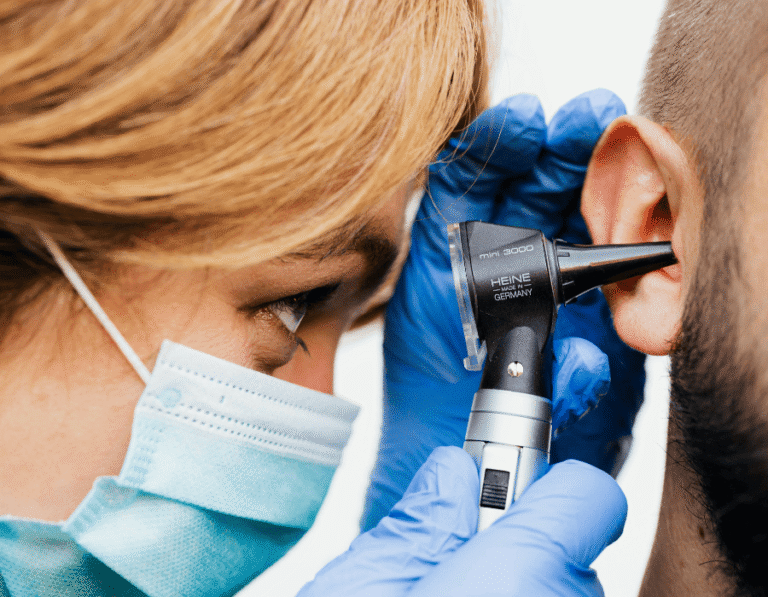
Visiting the United States is an exciting prospect, especially with major events drawing fans from all over the world. While you’re planning your trip, one thing that deserves a little extra attention is the healthcare system. It works differently from what many international visitors are used to, and knowing a few basics can make your trip feel much smoother and less stressful.
Why Healthcare in the USA Catches Travelers Off Guard

The US healthcare system is primarily private, which often means high costs that can surprise international visitors. Unlike many countries with universal healthcare, the United States operates on a complex process where services are typically billed directly to the patient or their insurance provider. This can lead to significant financial burdens for those unfamiliar with the system.
Medical costs in the USA can be unexpectedly high, even for what might seem like minor treatments.
- For instance, a routine doctor’s visit can range from $300 to $600 without insurance, and specialist consultations can easily exceed $250. If you need to visit an emergency room, costs can quickly escalate to thousands of dollars.
- A single ER visit might cost between $1,500 and $3,000, and a hospital stay with surgery could be upwards of $50,000 to $150,000.
These figures highlight why understanding the system before you arrive is crucial.
Before match day, it’s important to recognize that while the quality of care in the US is often excellent, it comes at a premium. This means that any unexpected illness or injury could result in substantial out-of-pocket expenses if you’re not adequately prepared.
Why Travel Insurance Is Your Most Important Item

Because medical care can be so expensive, having the right travel insurance isn’t just a good idea. It’s actually essential for protecting your finances. Many travelers assume their existing health insurance from their home country will cover them abroad, but this is rarely the case.
Most domestic insurance plans offer limited or no coverage outside your home country, and US Medicare and Medicaid do not cover medical care outside the United States.
Travel insurance acts as a critical safety net, protecting you from potentially crippling medical bills. It can cover a large portion of eligible treatment costs, helping international travelers avoid a serious financial setback if they need medical care while visiting the US.
When choosing a policy, look for comprehensive travel medical insurance rather than limited plans. Comprehensive plans typically cover a higher percentage of eligible medical expenses after you meet your deductible, often up to 100%.
When reviewing policies, check for coverage that includes emergency medical care, medical transportation back to your home country, and any pre-existing medical conditions you might have.
Some plans also offer telehealth services, allowing you to consult with a doctor remotely. While travel insurance isn’t legally required for entry into the USA, customs officers may ask for proof, especially for elderly visitors, as it signals financial responsibility.
What To Do If You Get Sick or Injured

Knowing where to go for help depends on how serious your condition is. Here’s a simple breakdown to help you make the right decision.
For Minor Issues (Colds, Headaches, Stomach Aches)
For non-urgent problems, you have a couple of convenient and affordable options that don’t require a trip to the hospital. If you’re dealing with a common cold, headache, or an upset stomach, your first stop can often be a local pharmacy.
Major chains like CVS and Walgreens are widely available and offer a wide range of over-the-counter medications. Pharmacists can also provide basic advice for minor ailments.
For conditions that aren’t life-threatening but require prompt attention, such as sprains, colds, flu symptoms, minor cuts, or urinary tract infections, an Urgent Care center is a good option.
These centers are typically faster and significantly less expensive than emergency rooms, with visits often costing between $100 and $200.
Many Urgent Care centers also offer X-rays, lab services, and can provide prescriptions.
For Serious Emergencies
In a life-threatening situation, your first priority is getting immediate medical attention. If you experience severe chest pain, difficulty breathing, sudden numbness or weakness, a severe injury like a head wound or broken bone, or signs of a stroke or heart attack, you should go to the Emergency Room (ER) immediately.
To call for an ambulance or other emergency services, dial 911 from any phone. This number connects you to police, fire, and medical assistance. Emergency rooms are equipped and staffed to handle the most critical needs 24/7, with advanced testing and specialists available. Remember, while ERs are legally required to stabilize any patient, they are the most expensive option, and wait times can be unpredictable.
How To Find a Doctor or Pharmacy
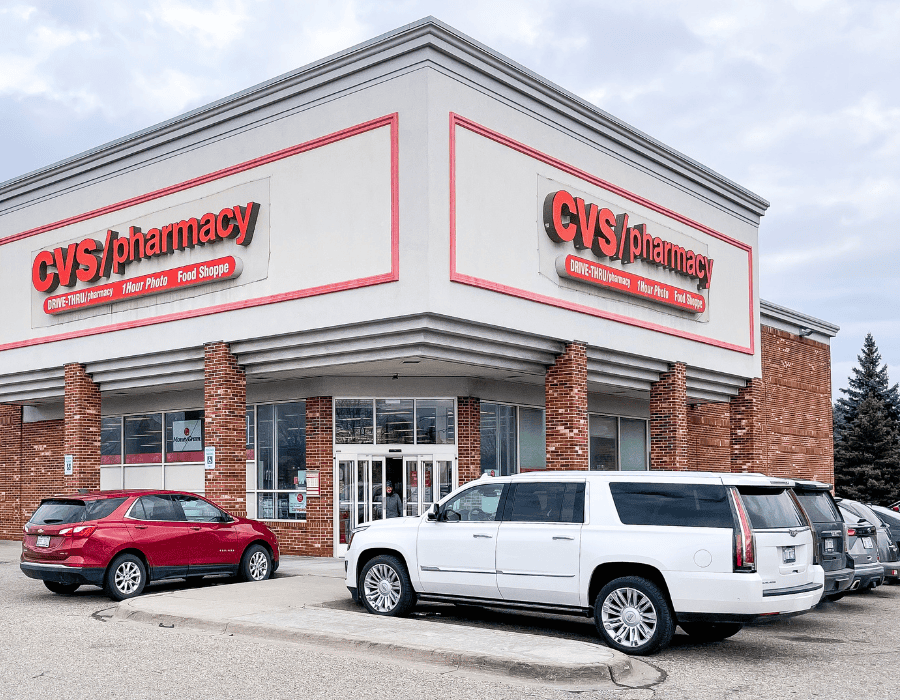
If you need medical care or supplies, finding the right place is usually straightforward in most US cities. Pharmacies are often found within grocery stores or as standalone stores like CVS, Walgreens, and Rite Aid. These are excellent for over-the-counter medicines and can fill prescriptions.
To locate an Urgent Care center, you can use online maps or your travel insurance provider’s website. Alternatively, you can use the Air Doctor app to find urgent care centers near you.
Many insurance plans use Preferred Provider Organization (PPO) networks, which offer access to a large number of doctors, urgent care centers, and hospitals at pre-negotiated, lower costs.
Your insurance ID card will usually list your PPO network, and you can use their online search tools to find in-network providers by ZIP code.
For non-emergency situations, telehealth platforms like Air Doctor can connect you with US-based, board-certified physicians for video consultations. This can be a convenient and often more cost-effective option than an in-person visit, allowing you to get a diagnosis and prescription without leaving your hotel.
Staying Healthy During the Tournament

A few simple health habits can help you avoid getting sick and make the most of your trip. Football tournaments often involve long days, travel between cities, and crowded environments, all of which can take a toll on your health.
- When traveling between host cities, ensure you get enough rest.
- Long travel days can be tiring, and fatigue can weaken your immune system.
- During summer matches, managing heat and sun exposure is crucial.
- Drink plenty of water, even if you don’t feel thirsty, as dehydration can set in quickly.
- Wear appropriate clothing, use sunscreen, and seek shade when possible to avoid heat-related illnesses.
- Navigating crowded stadiums and public transport means you’ll be close to many people.
- Frequent hand washing or using hand sanitizer can help prevent the spread of germs.
- Consider wearing a high-quality mask in crowded indoor spaces, especially if you are sensitive to getting sick.
- Listen to your body and take breaks when needed.
A Note on Prescription Medications
If you take regular medication, it’s important to plan ahead, as getting prescriptions refilled in the US can be complicated for tourists. It’s generally advised to bring enough of your prescribed medication to last for your entire stay.
When traveling with medication, ensure it is in its original container with the doctor’s instructions printed on the bottle. You should also carry a valid prescription or a doctor’s note, written in English, explaining your condition and why you need the medication.
The US Food and Drug Administration (FDA) normally allows travelers to bring or ship up to a 90-day supply of drug products for personal use. However, be aware that the FDA prohibits the importation of unapproved drugs, even if they are legally obtained in another country. So, make sure you check before you head off!
In Short
Here’s a quick summary of the most important things for travelers to remember.
- US healthcare is private and expensive; never travel without insurance.
- Know the difference: use pharmacies for minor issues, Urgent Care for non-emergencies, and the ER for serious conditions.
- Bring enough prescription medication for your entire trip, along with a doctor’s note.
- Stay hydrated and pace yourself during long travel and event days.
- Keep digital and physical copies of your insurance and important health documents.
About Air Doctor
With the Air Doctor app in your pocket, you can access medical care and receive expert medical guidance anywhere you travel.
Air Doctor offers a wide range of benefits, including:
- A global network of multi-lingual doctors and specialists
- Choice of clinic, at-home (hotel), and video consultations
- 24/7 multi-lingual support
- Transparent pricing and reviews
- Most common medical specialties, including cardiologists
FAQs
While it’s not legally required for entry, traveling to the USA without health insurance is strongly discouraged. Medical costs are extremely high, and insurance is the best way to protect yourself from unexpected expenses.
Costs vary widely depending on the clinic and location, but a single visit to a doctor or Urgent Care center can cost several hundred dollars without insurance. Emergency Room visits are significantly more expensive, potentially costing thousands of dollars.
Yes, you can buy many common medications for things like colds, pain relief, and allergies at pharmacies (often called drugstores) without a prescription.