If your ears hurt after a flight, you’re not alone.
Also known as airplane ear, it’s one of the most common things people notice when they travel by plane. It can feel uncomfortable, sometimes even painful, and it often catches people off guard, especially if it’s their first time flying.
The good news is that this is usually completely normal.
In most cases, ear pain after flying is caused by changes in air pressure. It might feel strange, but it’s rarely serious and usually goes away on its own.
This guide will walk you through why it happens, how to relieve it, and when it might be worth getting it checked out.
Why Do Ears Hurt After Flying?
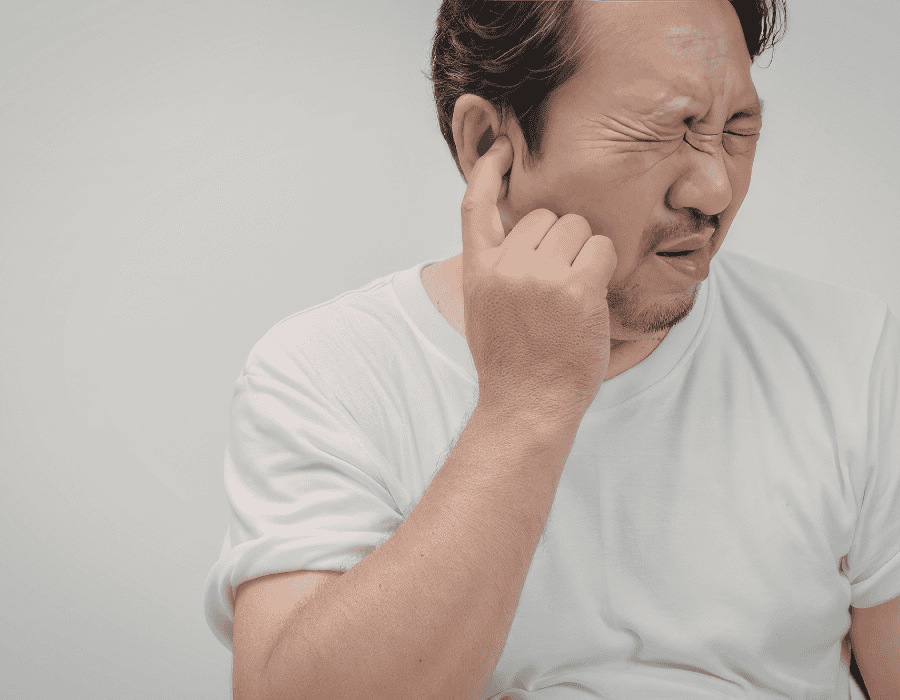
The short answer is pressure.
When a plane takes off or lands, the air pressure around you changes quickly. Your ears try to adjust to that change, but sometimes they struggle to keep up.
Changes in Air Pressure
Inside the airplane cabin, pressure is controlled, but it still changes during takeoff and landing.
Your body is used to steady pressure on the ground. When that suddenly shifts, your ears need to adapt. This is what causes that blocked or uncomfortable feeling.
What Happens Inside Your Ear
Inside your ear, there’s a small passage called the eustachian tube. Its job is to balance pressure between your ear and the outside world.
When everything is working normally, it opens and closes easily. But during a flight, it can get blocked or slow to respond. This creates a pressure difference, which leads to discomfort or pain.
Why It Feels Worse on Landing
Most people notice the pain more when the plane is landing.
That’s because pressure changes happen faster as the plane descends. Your ears have less time to adjust, which can make the sensation stronger.
Common Symptoms of Ear Pressure After Flying
It helps to know what’s normal so you don’t worry unnecessarily.
Mild Symptoms
These are the most common and usually go away quickly:
- a popping feeling
- ears feeling blocked
- mild discomfort
- slight pressure
More Noticeable Symptoms
Sometimes the symptoms feel a bit stronger:
- ear pain
- muffled hearing
- temporary hearing loss
Even these are usually short-term and improve within a few hours.
How To Relieve Ear Pain After Flying
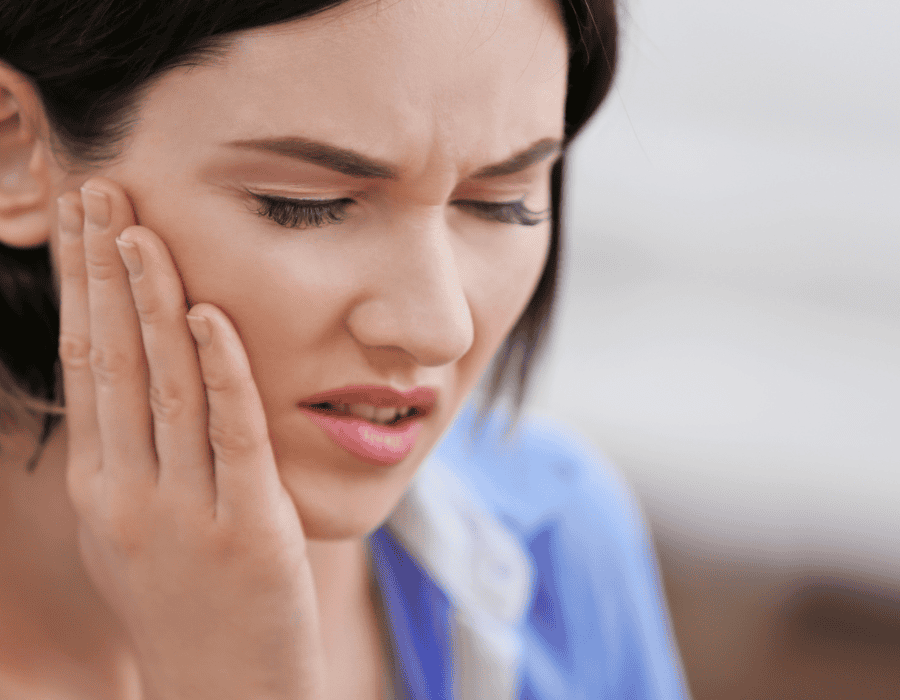
If your ears feel blocked or sore, there are a few simple things you can try.
Simple Things You Can Do Right Away
These help your ears adjust naturally:
- swallow regularly
- yawn if you can
- chew gum or suck on sweets
- drink water
These actions help open the eustachian tube and balance pressure.
Pressure Relief Techniques
If that doesn’t work, you can try a gentle technique.
One common method is to:
- close your mouth
- pinch your nose
- gently blow
This can help equalize pressure, but it’s important to do it gently.
Over-the-Counter Options
If you often struggle with ear pressure, some basic medications can help:
- nasal sprays
- decongestants
These can reduce congestion and make it easier for your ears to adjust.
How To Prevent Ear Pain on Your Next Flight
If this happens to you often, a bit of preparation can make a big difference.
Before You Fly
Try to avoid flying if you have a cold or sinus infection.
If you can’t avoid it:
- use a nasal spray before boarding
- stay well hydrated
During the Flight
Small habits can help a lot:
- chew gum or suck sweets during takeoff and landing
- drink water regularly
- try to stay awake during landing so you can manage the pressure
Tips for Kids and Babies
Children often struggle more with pressure changes.
You can help by:
- feeding babies during takeoff and landing
- giving a pacifier
- encouraging older kids to drink or chew
When Should You Be Concerned?
Most of the time, ear pain after flying is harmless.
But there are a few signs that could indicate it’s something like post-flight flu, which you definitely want to avoid.
Signs It’s Not Just Pressure
You may want to take it more seriously if you notice:
- severe or sharp pain
- symptoms lasting more than a few days
- fluid or discharge from the ear
Possible Conditions
In some cases, the issue could be something else, like:
- an ear infection
- barotrauma (pressure-related injury)
These are less common, but they do happen.
When To See a Doctor
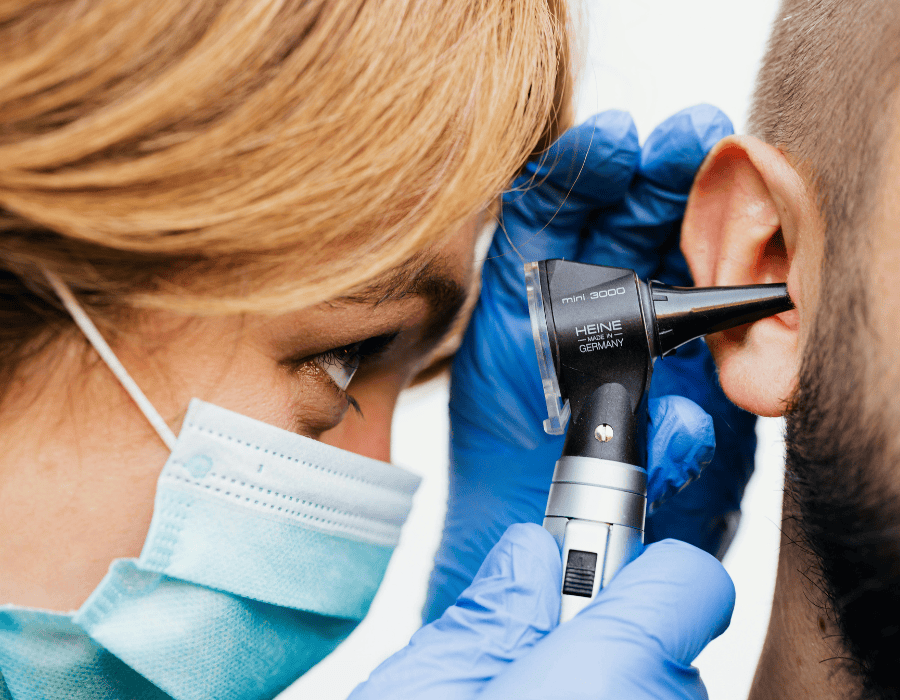
If you’re unsure, it’s always okay to check.
When Symptoms Don’t Go Away
If your ears still feel blocked or painful after a few days, it’s worth speaking to a doctor.
Hearing should return to normal fairly quickly. If it doesn’t, it’s better not to wait.
If Symptoms Get Worse
You should also get help if you notice:
- increasing pain
- dizziness
- fever
These could be signs that something else is going on.
How Air Doctor Can Help
If you’re traveling and something doesn’t feel right, getting help quickly can make a big difference.
Quick Access to Medical Advice
With Air Doctor, you can speak to a doctor from wherever you are. You don’t need to figure out where to go or how the local system works.
Flexible Consultation Options
You can choose what works best for you:
- video consultation
- clinic visit
- doctor coming to your hotel
This flexibility makes it much easier when you’re not feeling your best.
Peace of Mind While Traveling
Even if it turns out to be nothing serious, speaking to a doctor can help you feel more at ease and give you a clear next step.
In Short
Let’s sum everything up in one short list so it’s easier to remember.
- Ear pain after flying is very common
- It’s caused by changes in air pressure
- Most symptoms go away on their own
- Simple techniques can help relieve discomfort
- See a doctor if symptoms last or get worse
About The Air Doctor App
With the Air Doctor app in your pocket, you can access medical care and receive expert medical guidance anywhere you travel.
Air Doctor offers a wide range of benefits, including:
- A global network of multi-lingual doctors and specialists
- Choice of clinic, at-home (hotel), and video consultations
- 24/7 multi-lingual support
- Transparent pricing and reviews
- Most common medical specialties, including ENT specialists
FAQs
Because pressure changes happen faster during descent, making it harder for your ears to adjust.
Usually a few hours. In some cases, it may take a day or two to fully clear.
In most cases, no. Serious issues are rare, but it’s best to check if symptoms don’t improve.
Swallowing, yawning, chewing gum, or gently equalizing pressure can help quickly.