Southeast Asia has beaches that make travelers sigh in a good way: long sand, clear water, towering limestone cliffs, tiny islands where time moves slowly. Whether that means safe shallow bays for kids, clear reefs for snorkeling, friendly surf spots for beginners, or quiet sand for doing nothing at all, this guide is here to help.
How This Guide Works
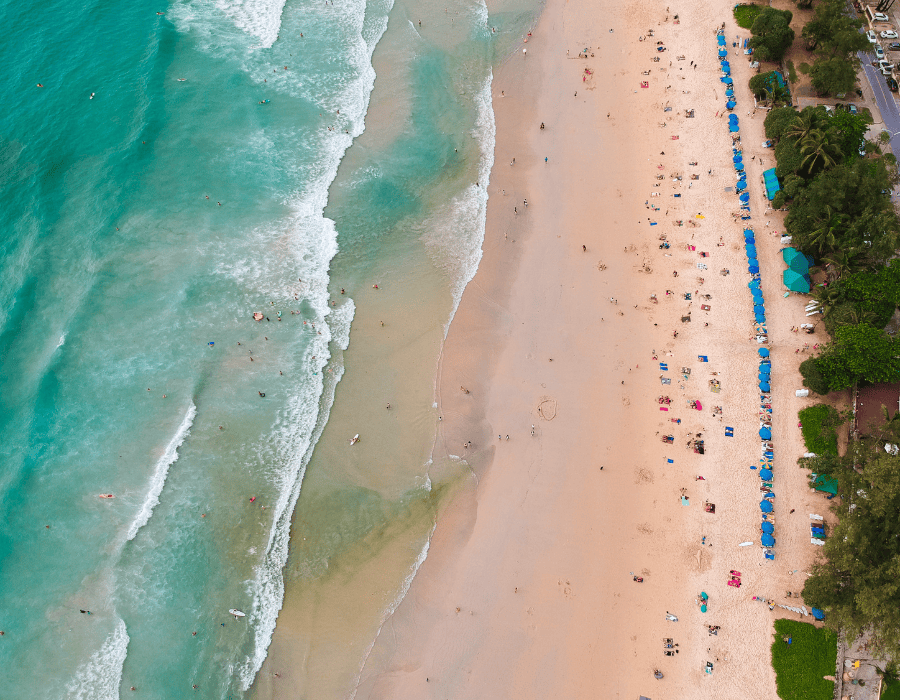
Our guide focuses on the things travelers actually use when choosing a beach: safety and lifeguard coverage where available, water clarity for snorkeling, how easy it is to reach the shore, whether basic facilities exist, and what kind of day a beach suits best. Preference was given to beaches and operators that follow low-impact practices.
Phuket, Thailand: Patong, and Karon
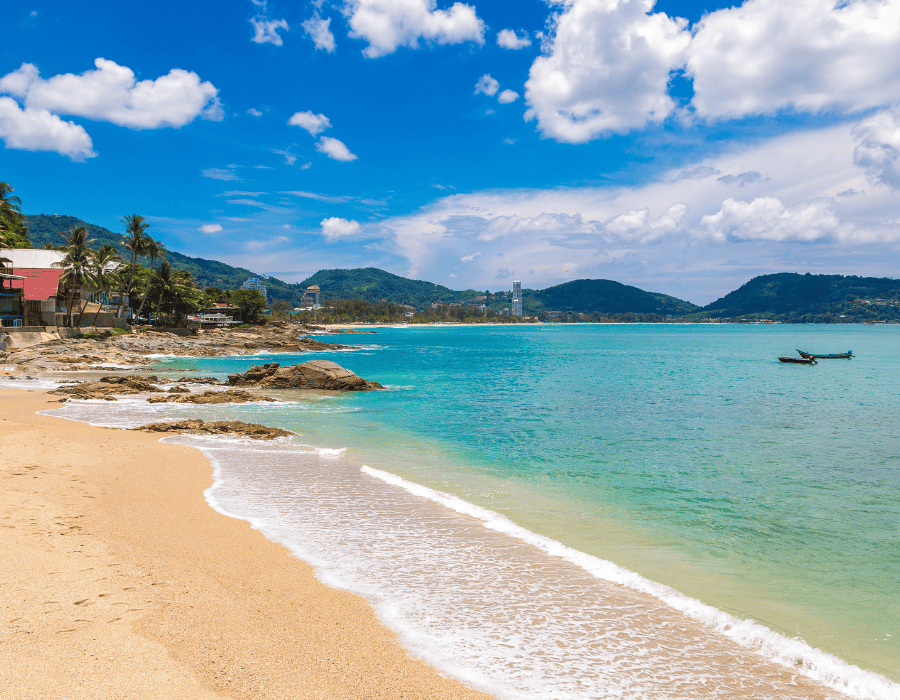
Phuket suits many travel styles because it offers busy main beaches and quieter coves within easy reach. Pick an area that matches how active or relaxed the day should be.
Patong Beach
Patong is lively and convenient. It has restaurants, shops, and a full menu of water sports within short walking distance of the sand. The beach fills up fast, so go early for calmer water and easier sunbeds. If the goal is a quiet swim, try an adjacent stretch of coastline later in the day when the crowds drift away.
Karon And Kata
Karon and Kata offer broader sands and gentler slopes into the water, which makes them easier for families with children. Rental chairs and cafés are usually nearby, and seasonal lifeguard posts add an extra layer of safety in busy months. Plan shade breaks and mid-day rests to keep energy levels steady during hot days.
Krabi And The Phi Phi Islands
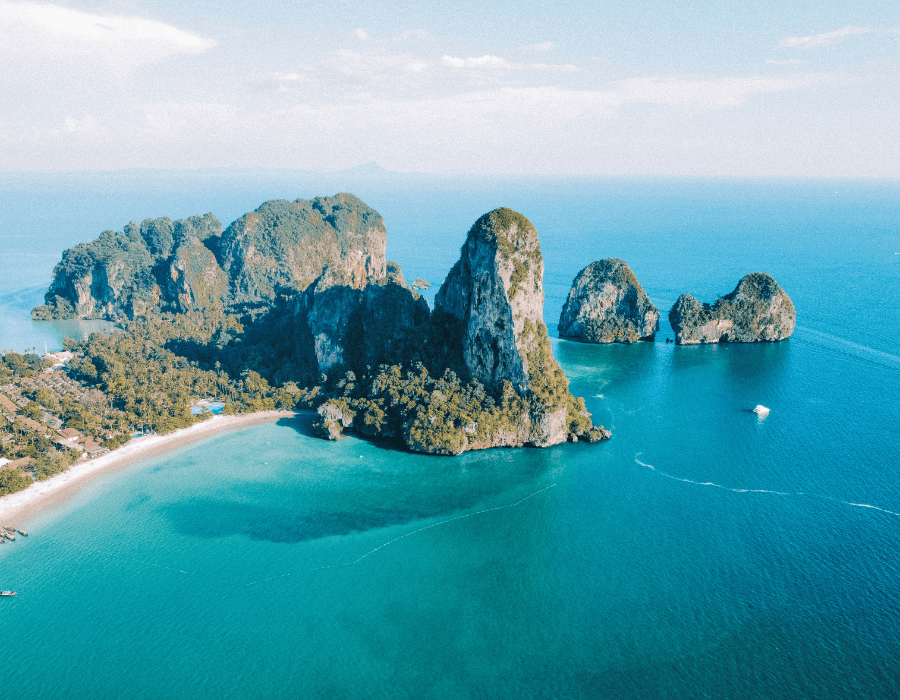
The coast around Krabi and the Phi Phi islands is dramatic and very photogenic. Limestone cliffs rise from clear water, and short boat trips open up great snorkeling and hiking options.
Railay Beach
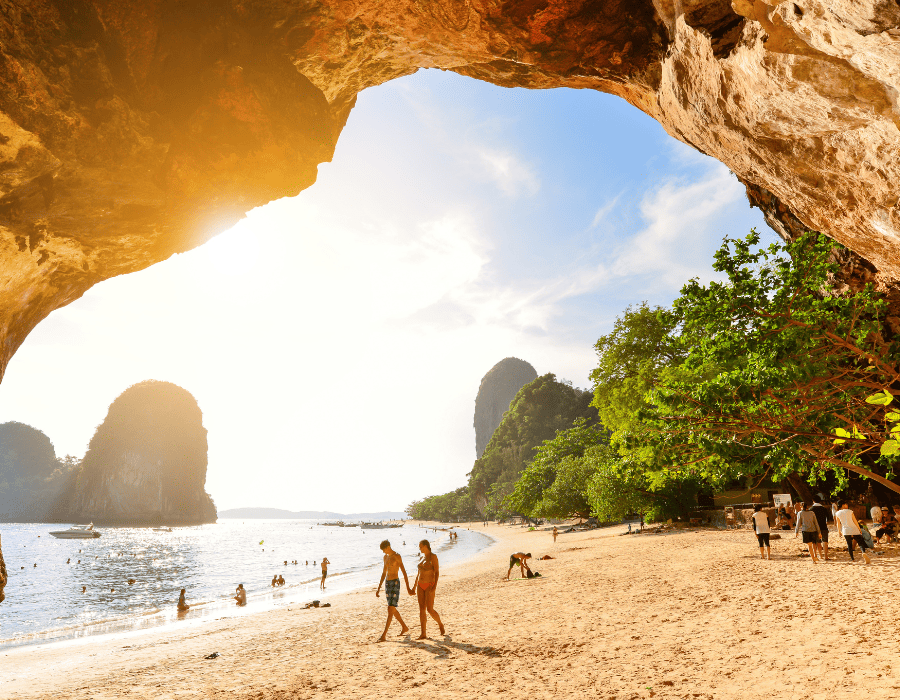
Railay is reached by boat and rewards visitors with short walks to viewpoints and small caves. The area is compact and easy to explore on foot. Wear sturdy shoes for the lookouts and bring water for short hikes. Railay’s combination of beach and climbable scenery makes it a good choice for a day that mixes gentle activity with beach time.
Maya Bay And Phi Phi
Maya Bay often draws big crowds. Visiting at sunrise or late afternoon reduces crowd pressure and avoids the hottest hours. Many high-profile spots now have seasonal rules to protect wildlife and reefs, so choose tour operators who follow local guidelines and avoid shortcuts that harm the environment.
Snorkeling Around Phi Phi
Visibility changes by season. Dry months usually bring the clearest water and the best chance of seeing reef fish, colorful corals, and turtles. Use reef-safe sunscreen and avoid touching coral. Hiring a local guide helps find the best spots and reduces the chance of damage from careless anchoring.
Bonus Read: 15 Best Beaches in Thailand
Langkawi And Penang, Malaysia
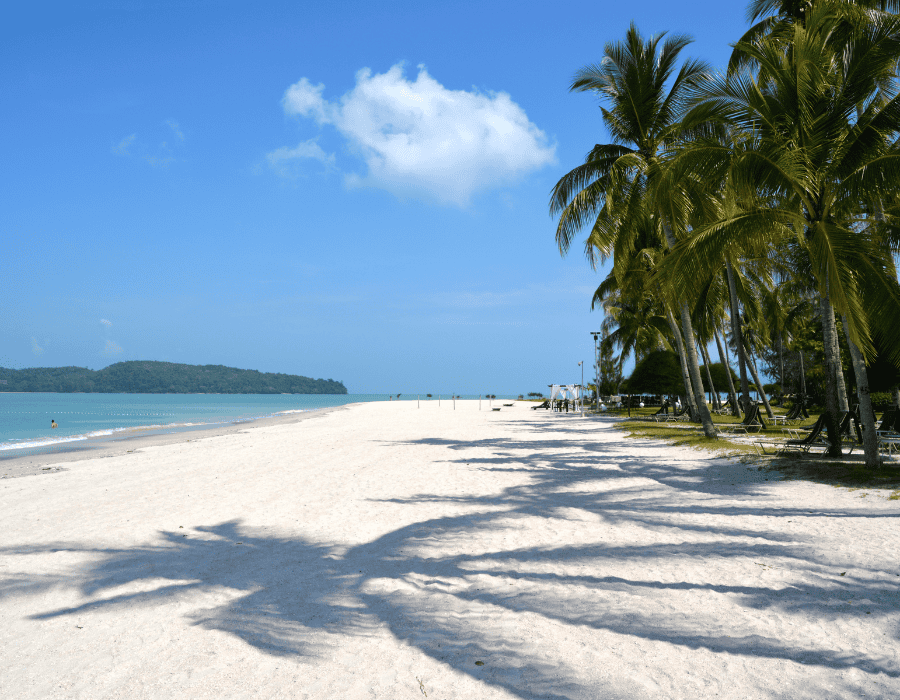
Northwest Malaysia offers easy beaches with good food and handy services, which works well for families and relaxed travelers.
Pantai Cenang
Pantai Cenang is long, shallow, and full of services. Rentals, restaurants, and medical support are close at hand, which is useful when traveling with children. Keep shade and regular water breaks on the plan to avoid midday heat, and consider swimming during the cooler mornings.
Batu Ferringhi
Batu Ferringhi blends daytime beach calm with an evening market scene. After a day on the sand, the market offers a lively mix of food and crafts. For swimming, choose quieter stretches away from the busiest market points and use repellent at dusk where mosquitoes are more active.
Bali, Indonesia
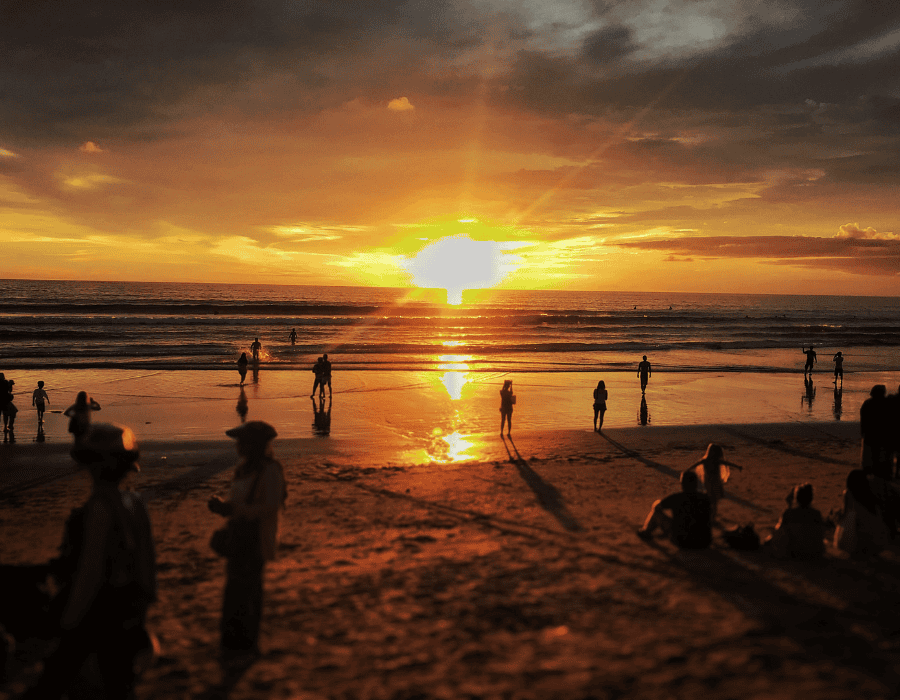
Bali is versatile. It suits people who want surf lessons, families who want gentle water, and travelers looking for quieter coves away from the crowds.
Kuta And Seminyak
Kuta and Seminyak are the go-to spots for beginner surf lessons, casual shopping, and a social beach scene. Choose a reputable surf school and listen to instructions on currents and tides. Wearing a rash guard helps with sun protection during long surf sessions.
Nusa Dua And Sanur
Nusa Dua and Sanur offer calmer conditions with shallower water, which suits families and those who prefer easy swims close to shore. These areas often have lifeguards and resort amenities that make it simple to take breaks and handle small needs without searching for services.
The Philippines: Palawan, Boracay, And Small Island Magic
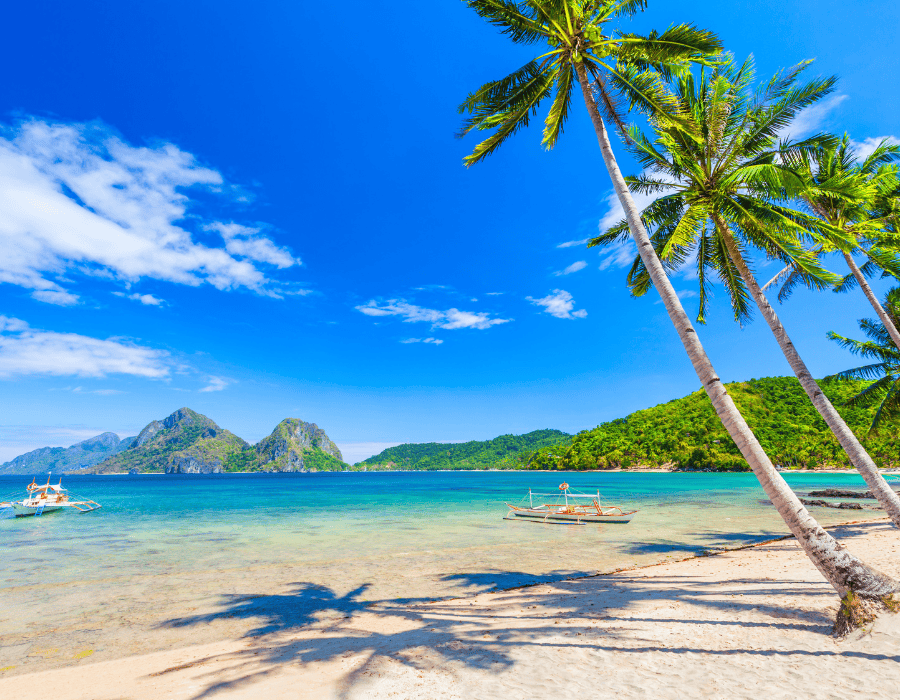
The Philippines is island-rich. Planning and reputable operators make island hopping enjoyable and safe.
El Nido
El Nido’s lagoons and sheltered bays are ideal for calm snorkeling and scenic boat trips. Small-group tours reduce the crowd impact. Check tide windows before booking a trip and bring motion-sickness medication if crossings are bumpy for the day.
Boracay
Boracay has improved infrastructure and clearer zoning since recent rehabilitation efforts. The zoning helps split lively areas from quieter stretches, so pick the part of the beach that fits the day. Use reef-safe sunscreen and avoid single-use plastics to support local recovery.
Siargao And Smaller Islands
Siargao draws surfers, while many smaller islands remain more rustic. Expect fewer facilities on remote islands; plan transfers, know the nearest clinic, and keep a basic first-aid kit handy for peace of mind.
Vietnam: From Nha Trang To Phu Quoc
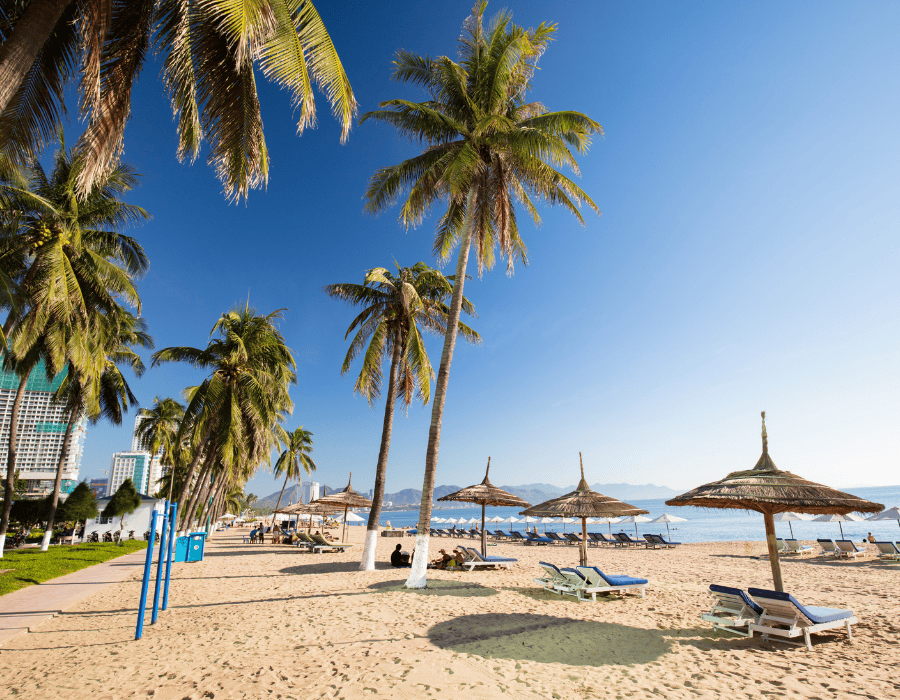
Vietnam’s coastline includes bustling resort towns and calmer islands. The choice depends on the level of convenience and activity desired.
Nha Trang
Nha Trang offers plenty of water-sport options and diving trips. Pick operators that show strong safety practices and head to quieter coastal stretches for more relaxed swimming. Hydration and shade breaks are important on long sun days.
Phu Quoc
Phu Quoc is growing as a family-friendly island with shallow reefs that beginners can enjoy. Some areas are still developing, so check medical access in advance and use mosquito protection at dusk.
Cambodia And Laos Coastal Options
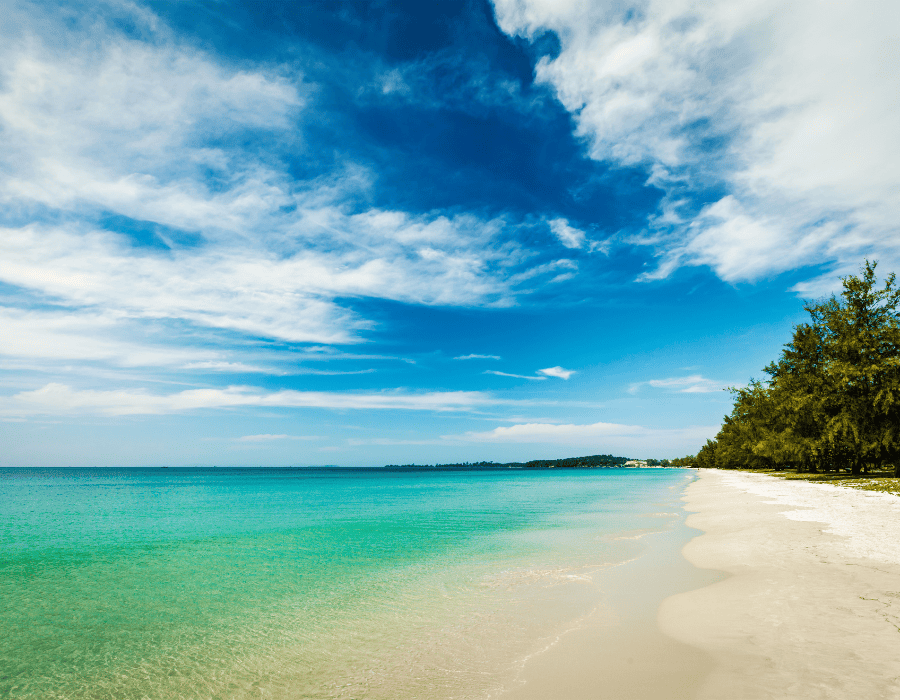
Cambodia’s coast includes both resort-style beaches and more rugged island options. Laos is landlocked but commonly combined with nearby coastal trips, so planning matters.
Sihanoukville And Koh Rong
Sihanoukville has resort choices while Koh Rong offers pristine beaches with simpler facilities. On Koh Rong, bring cash, insect repellent, and basic wound care supplies. Rustic islands have beauty but also require planning for limited services.
Laos
Lots of people often add beach time after visiting Laos, moving overland or by flight into nearby beach hubs. Add a rest day before the first beach day if overland transfers are long, so the first day on sand feels restful instead of exhausting.
Safety, Health, And Practical Beach‑Health Tips
Sun, heat, water, and small injuries cause most beach problems, but a few clear steps prevent most issues and keep days on the sand enjoyable.
Sun, Heat, And Hydration
Reapply broad‑spectrum, reef‑safe sunscreen every two hours and after swimming. Wear a hat and UV shirt when the sun is strong, and use available shade during midday.
Drink water often rather than waiting until you feel thirsty; carry a refillable bottle and refill at shops or stalls. Heat can sneak up.
Early signs of heat exhaustion include weakness, headache, nausea, and dizziness. If that happens, move into the shade, lie down with your feet slightly raised if possible, and sip small sips of water or an oral rehydration solution. Avoid heavy alcohol during the hottest part of the day, since it speeds dehydration.
Water Safety And Swimming Advice
Always check local conditions before entering the water. Ask lifeguards or beach staff about flagged zones, tides, and common rip currents. On lifeguarded beaches, swim between the flags and keep children within arm’s reach.
On beaches without lifeguards, never swim alone and stay where you can touch bottom if you are not a confident swimmer. If caught in a rip current, do not fight it by swimming straight to shore; float calmly and swim parallel to the shore until out of the current, then head back in at an angle.
For boat trips, wear a properly fitting life jacket and confirm that the operator provides one for each passenger and keeps safety gear in good condition.
Marine Hazards, Wounds, And First Aid
Jellyfish stings, coral cuts, and scrapes from shells are common. For jellyfish, rinse the area with seawater (not fresh water), gently remove any tentacles with a gloved hand or a towel, and seek medical care for severe pain, breathing problems, or wide-spreading redness.
For coral or shell cuts, rinse with clean water, apply antiseptic if available, cover loosely, and see a clinic for deep or dirty wounds, because coral cuts can become infected quickly.
Carry antiseptic wipes, a few antibiotic plasters, and sterile dressings in a small travel health kit. If signs of infection appear later (increasing pain, redness, pus, or fever) get medical attention promptly.
Travel Health Kit And When To Seek Care
A compact travel first-aid kit covers most minor beach issues. Pack blister plasters, antiseptic wipes, adhesive bandages, pain relief, anti‑diarrheal medicine, oral rehydration salts, insect repellent, and any personal prescriptions with copies of the script.
Know where the nearest clinic or hospital is for each base and keep travel insurance and emergency contacts handy.
For non‑emergency worries (like a worrying wound, persistent fever, or unclear symptoms) a video consultation can triage the problem quickly and advise whether a clinic visit is needed. For severe problems such as heavy bleeding, trouble breathing, sudden confusion, or very high fever, go to the nearest emergency department immediately.
Responsible Beach Travel
Small habits protect beaches and local communities:
- Avoid touching or standing on coral, do not take shells or coral as souvenirs, and never feed wildlife.
- Choose mineral-based reef-safe sunscreens without oxybenzone or octinoxate and apply sunscreen before entering the water so excess formula rinses off before reaching reefs.
- Carry a reusable water bottle and a small bag for any trash; if bins are not available, hold onto waste until a proper disposal point is found.
- Support local businesses by eating at small stalls and buying from artisans rather than big chains.
- Book boat tours and activities with operators that limit group sizes, brief guests on low-impact behavior, and follow local conservation rules.
- Respect posted rules at protected beaches and follow local customs at nearby cultural sites.
These choices help reefs recover, keep sand clean, and ensure tourism benefits communities.
Quick Planning Checklist
- Pack a small travel first-aid kit with blister plasters, pain relief, anti‑diarrheal medicine, oral rehydration salts, and any prescription medicines in original packaging with copies of the prescription.
- Bring reef‑safe sunscreen, a refillable bottle, swim shoes, a hat, and a small dry bag for valuables.
- Have travel insurance that covers water activities if snorkeling or surfing is planned and note the nearest clinic at each base.
In Short
Pick the beach that fits the way the day should feel. Choose lively shores for action, family bays for safety, and small coves for quiet. Pack for sun protection, water safety, and small first-aid needs. Respect local rules and reef life, support local businesses, and use telemedicine for small health worries so they do not become trip-stoppers.
About the Air Doctor App
With the Air Doctor app in your pocket, you can access medical care and receive expert medical guidance anywhere you travel.
Air Doctor offers a wide range of benefits, including:
- A global network of multi-lingual doctors and specialists
- Choice of clinic, at-home (hotel), and video consultations
- 24/7 multi-lingual support
- Transparent pricing and reviews
- Most common medical specialties, including cardiologists
FAQs
El Nido and Coron (Palawan), Phi Phi (Thailand), Nusa Lembongan/Nusa Penida (Bali), Raja Ampat (Indonesia), and parts of Phu Quoc (Vietnam).
Not everywhere. Lifeguards are common on major tourist and resort beaches in high season, but rare on remote islands and less-developed coves. Always check locally and assume none unless confirmed.
Nusa Dua and Sanur (Bali), Pantai Cenang (Langkawi), Karon and Kata (Phuket), quieter stretches of Nha Trang, Phu Quoc, and the calmer zones of Boracay.