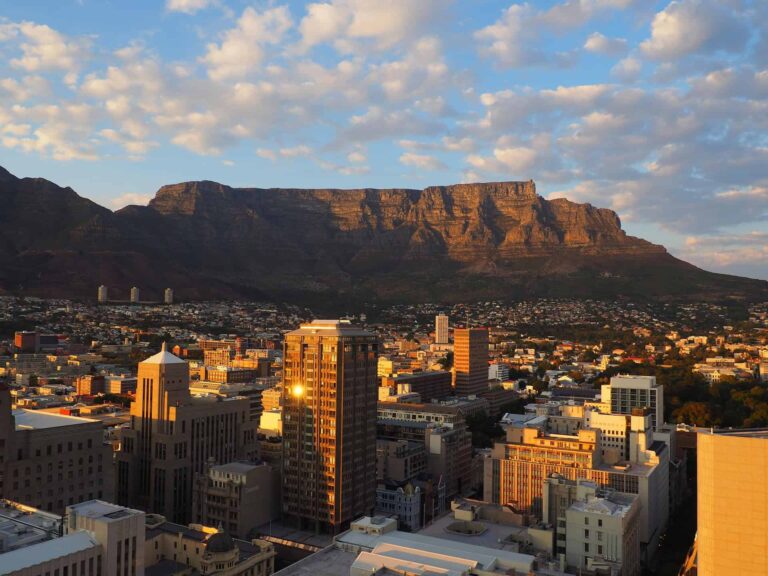
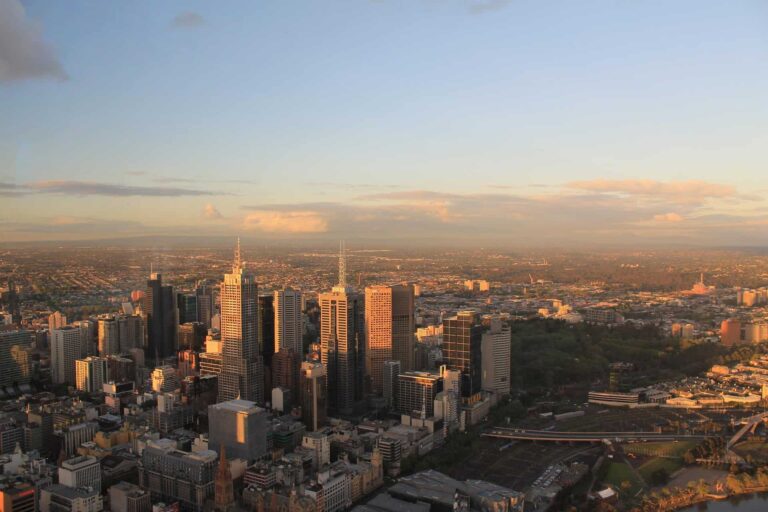
Taiwan blends busy cities, mountain scenery, night markets, coastlines, and incredible food into one surprisingly easy trip.
Whether you’re planning a week exploring Taipei and the north or a longer journey around the island, Taiwan feels approachable for first-time visitors while still offering plenty to discover. The transport is reliable, the food scene is excellent, and it’s relatively easy to combine city life with nature and slower travel days.
This guide covers everything you need to know before traveling to Taiwan, including transport, itineraries, food tips, accommodation advice, practical travel-health information, and simple ways to make your trip feel smoother and less overwhelming.
Why Visit Taiwan
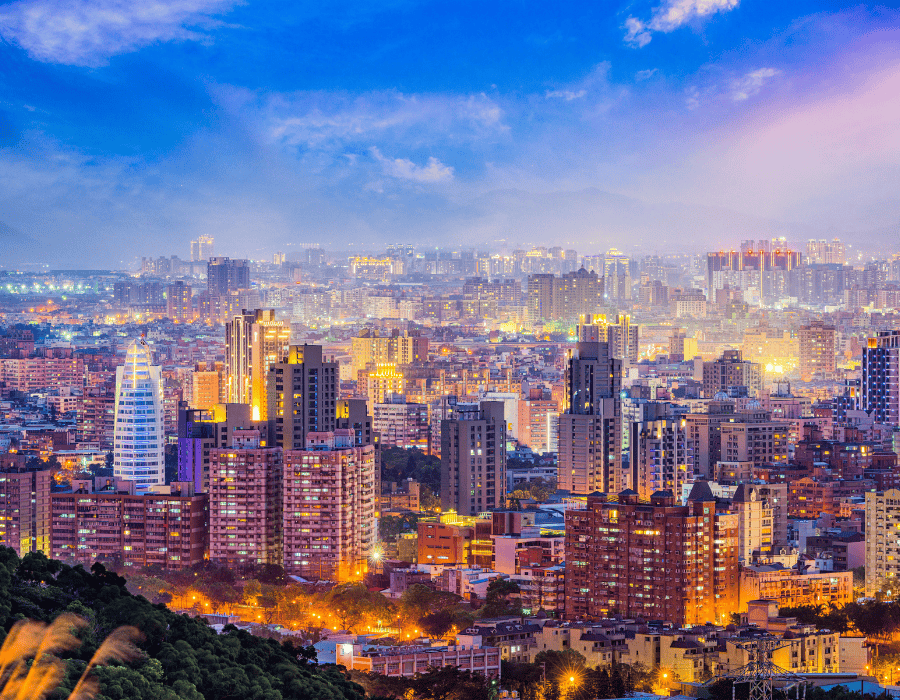
Taiwan often feels like one of Asia’s most underrated destinations.
It offers many of the things travelers love about East Asia, including modern cities, efficient transport, incredible food, and beautiful nature, but usually with fewer crowds and less pressure than some neighboring destinations.
What Makes Taiwan Special
One of Taiwan’s biggest strengths is how varied it feels despite being relatively compact.
You can spend the morning hiking in the mountains, the afternoon exploring temples or cafés, and the evening eating your way through a night market. The mix of modern cities, traditional culture, hot springs, beaches, and natural scenery makes Taiwan appealing to a wide range of travelers.
Taiwan is also known for being welcoming and relatively easy to navigate, even for travelers visiting Asia for the first time.
Best Time To Visit Taiwan
Taiwan can be visited year-round, but spring and autumn are often considered the most comfortable seasons for travel.
Summers are hot, humid, and sometimes affected by typhoons, especially between July and September. Winters are usually mild in the south but can feel cool and rainy in northern cities like Taipei.
Spring can also bring seasonal allergies and high pollen levels in some areas, so travelers sensitive to allergies may want to pack medication ahead of time.
Practical Planning And Entry Requirements
Once you’ve decided when to visit, it helps to organize the practical side of your trip before arriving.
Taiwan is generally straightforward to travel around, but a little preparation can make your first few days much smoother.
Visas And Arrival Rules
Visa requirements depend on your nationality, but many travelers can enter Taiwan visa-free for short stays.
Entry requirements can occasionally change, so it’s always worth checking official government guidance before your trip. Make sure your passport has sufficient validity remaining and keep digital copies of important travel documents stored securely online.
Money And Currency
Taiwan uses the New Taiwan Dollar (TWD).
Credit cards are widely accepted in cities, shopping malls, and larger restaurants, but many smaller shops, cafés, and night market stalls still prefer cash. Convenience stores and ATMs are easy to find throughout the country.
Language And Using English
Mandarin Chinese is the main language spoken in Taiwan.
English is commonly used in transport systems, hotels, and tourist areas, although smaller local restaurants and markets may involve a bit more guesswork. Translation apps are extremely helpful and can make ordering food and navigating transport much easier.
SIM Cards, eSIMs, And Staying Connected
Taiwan has excellent mobile coverage and reliable internet speeds.
Many travelers buy eSIMs or local SIM cards at the airport shortly after arriving. Having mobile data makes it much easier to:
- use maps
- translate menus
- navigate public transport
- book accommodation
- access healthcare or telemedicine apps if needed
How To Get Around
Taiwan is one of the easier places in Asia to travel around thanks to its reliable transport network.
The trains are efficient, cities are well connected, and public transport is generally clean and easy to understand.
Flying Into Taiwan And Airport Tips
Most international travelers arrive through Taiwan Taoyuan International Airport near Taipei.
After long flights, it’s worth taking things slowly during your first 24 hours in Taiwan. Hydration, proper meals, sunlight exposure, and avoiding an overloaded first day can help reduce jet lag and travel exhaustion. If you tend to feel run down after flying, you should look at our tips for avoiding post-flight flu.
Trains And The High Speed Rail (HSR)
Taiwan’s High Speed Rail system makes it easy to travel between major cities quickly.
The HSR is especially useful for routes between Taipei, Taichung, Tainan, and Kaohsiung. Regular trains also connect smaller towns and scenic regions throughout the island.
Booking ahead is recommended during weekends and holidays.
Local Transport: Metro, Buses, Taxis, Ride-Hailing
Taipei’s metro system is clean, reliable, and beginner-friendly.
Buses can feel slightly more confusing at first, but Google Maps generally works well for directions. Ride-hailing apps and taxis are also widely available in larger cities.
Long travel days and crowded transport can become tiring surprisingly quickly, especially during summer. Building small breaks into your itinerary often makes travel feel much more enjoyable overall.
Renting A Car And Driving Tips
Renting a car makes more sense for rural areas, mountain regions, and parts of the east coast.
Driving in central Taipei can feel stressful due to traffic and scooters, so many travelers rely on public transport while staying in major cities.
Food, Markets, And Night Markets
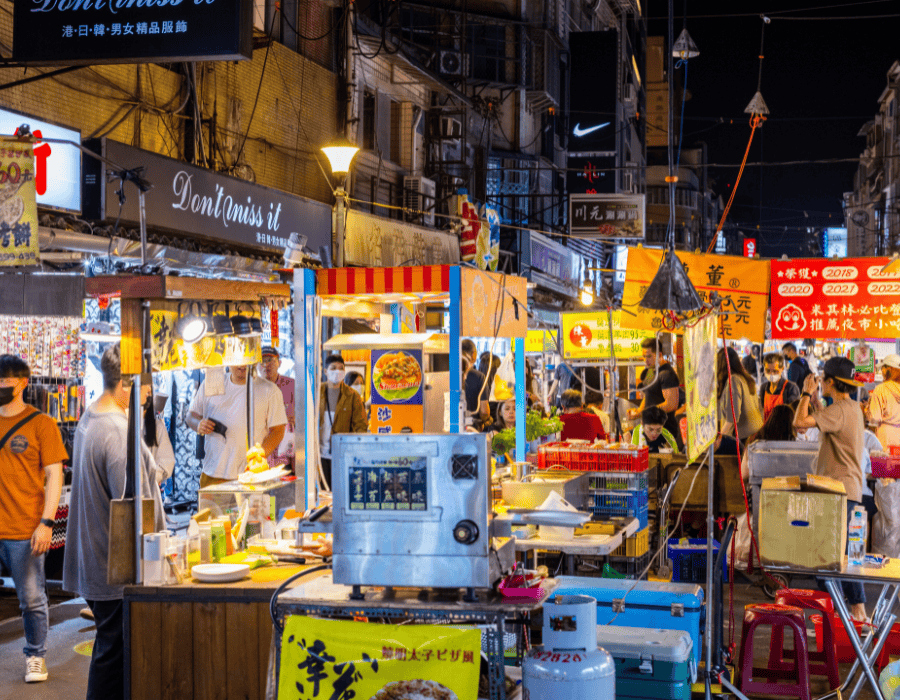
Food is one of the best reasons to visit Taiwan.
From noodle shops and breakfast stalls to night markets and tea houses, eating your way around Taiwan quickly becomes part of the experience.
Must-Try Dishes And Where To Find Them
Some of Taiwan’s most popular dishes include:
- beef noodle soup
- xiao long bao
- oyster omelets
- braised pork rice
- scallion pancakes
- bubble tea
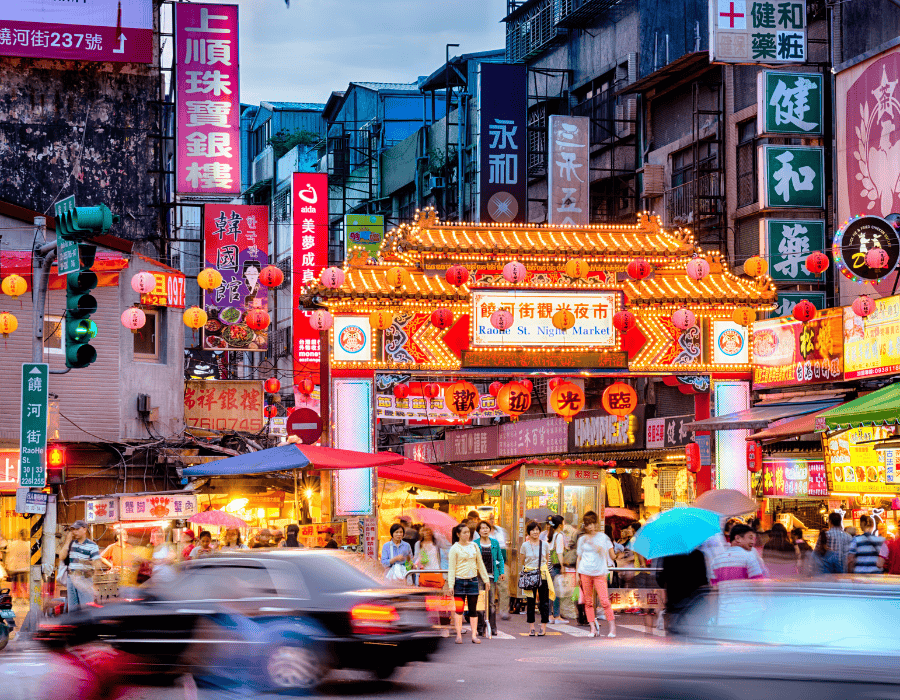
Night markets are one of the easiest places to try multiple dishes in one evening.
Night Market Survival Tips
Taiwan’s night markets can feel overwhelming at first, especially during busy evenings.
A few simple habits help:
- arrive slightly earlier before peak crowds
- carry cash
- share dishes to try more food
- pace yourself rather than eating too quickly
It’s also smart to choose stalls with high turnover and freshly cooked food, especially during hotter weather.
Dietary Restrictions And Vegetarian/Vegan Options
Taiwan is generally quite accommodating for vegetarian travelers, particularly because of Buddhist influences.
However, ingredients like pork broth or fish sauce can still appear in dishes unexpectedly, so translation apps or allergy cards are useful if you have strict dietary requirements.
Accommodation: Where To Stay By Budget And Style
Taiwan offers a wide range of accommodation styles, from budget hostels to boutique hotels and luxury stays.
Where you stay can shape the pace and feel of your trip quite a bit.
Best Neighborhoods In Taipei
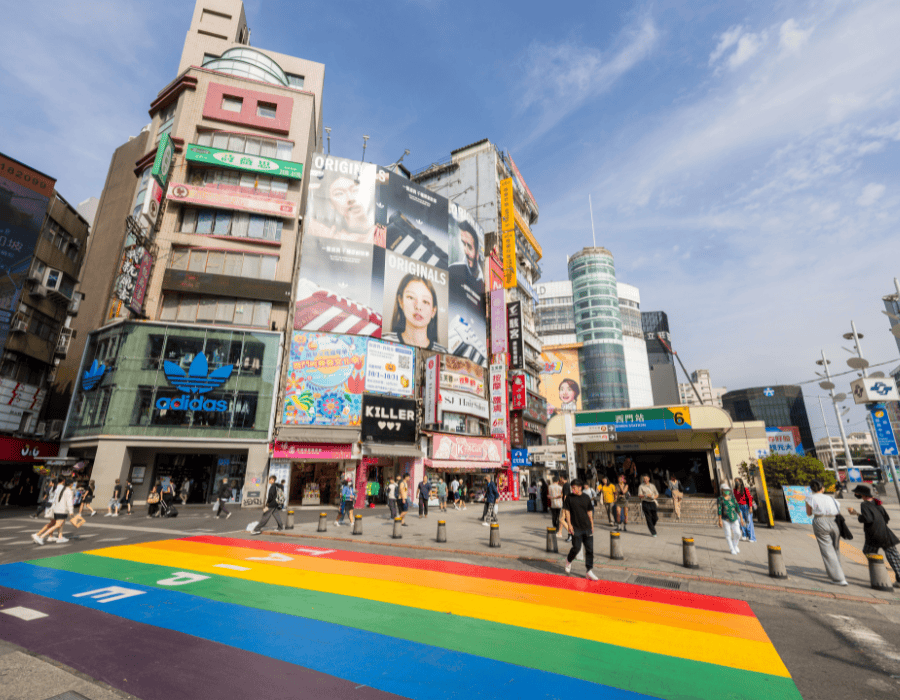
For first-time visitors, neighborhoods like Ximending, Zhongshan, and Da’an are popular because they offer:
- good transport connections
- restaurants and cafés
- walkability
- easy access to attractions
If you’re planning to spend most of your time exploring the capital, you should check out our article on what to do in Taipei.
Guesthouses, Hostels, Boutique Hotels, And Family Stays
Taiwan’s accommodation scene is generally clean, reliable, and good value.
Boutique hotels and guesthouses are especially popular among travelers looking for something more personal than large international hotel chains.
After long flights or busy sightseeing days, prioritizing sleep and slower evenings can make a huge difference to energy levels during the rest of your trip.
Booking Tips And Cancellation Norms
Booking early is especially important during weekends, holidays, and cherry blossom season.
Flexible cancellation policies are worth considering if you’re planning a longer multi-city itinerary.
Health, Safety, And Practical Travel-Health Tips
Taiwan is generally considered very safe for travelers, but staying healthy while abroad still requires a little preparation.
Most travel-health issues are minor and manageable with a few simple habits.
Basic Health Advice
Taiwan’s heat and humidity can catch travelers off guard, especially during summer.
Hydration, sunscreen, hand hygiene, and pacing yourself during long walking days all help reduce travel fatigue and heat-related issues.
Common Travel Illnesses In Taiwan And Prevention
The most common travel-related problems in Taiwan are usually:
- mild stomach issues
- dehydration
- heat exhaustion
- fatigue from packed itineraries
Choosing busy food stalls, drinking enough water, and slowing down when needed usually prevents most issues.
What To Pack In A Simple Travel Health Kit
A small travel health kit can make your trip feel much smoother.
Useful items include:
- blister care
- sunscreen
- oral rehydration salts
- pain relief medication
- hand sanitizer
- allergy medication
- motion sickness tablets
If you’re unsure what to bring, we’ve got a great guide covering travel first aid kits.
Vaccines And Pre-Trip Checks
Most travelers won’t need anything unusual before visiting Taiwan, but it’s still worth checking routine vaccinations before your trip.
If you have existing medical conditions or take prescription medication, organizing enough medication before departure is also important.
Getting Care In Taiwan: Pharmacies, Clinics, And English-Speaking Doctors
Taiwan has a strong healthcare system and modern medical facilities, especially in larger cities.
Still, getting sick abroad can feel stressful when you’re unfamiliar with the local system.
How To Find A Clinic Or Hospital
Clinics are generally suitable for minor illnesses and non-emergency concerns, while hospitals are better for more serious issues.
Wait times are often shorter than travelers expect, especially at local clinics.
When Telemedicine Can Help
For non-emergency concerns, telemedicine can be a useful first step.
Air Doctor helps travelers connect with English-speaking doctors through video consultations, clinic visits, and hotel visits, which can feel much less stressful than trying to navigate healthcare systems alone while abroad.
Emergency Numbers And What To Expect At ERs
Taiwan’s emergency number is 119.
Emergency rooms in larger cities are modern and generally efficient, although language barriers can still happen depending on the location.
Health Insurance, Costs, And Paying For Care
Travel insurance is strongly recommended before visiting Taiwan.
Many clinics and hospitals accept international credit cards, but travelers may still need to pay upfront before claiming reimbursement later through insurance providers.
Practical Tips To Make Your Trip Easier
Small habits and realistic pacing can make Taiwan travel feel much smoother overall.
Money-Saving Tips And Freebies
Taiwan can be surprisingly affordable compared to some neighboring destinations.
Using public transport, eating at local restaurants, and visiting free temples, parks, and hiking areas helps keep costs manageable.
Cultural Customs And Etiquette
Taiwan is generally relaxed and welcoming, but basic politeness goes a long way.
Speaking quietly on public transport and showing patience in crowded areas is appreciated.
Dealing With Crowds, Long Walking Days, And Jet Lag
Taiwan trips often involve far more walking than travelers expect.
Planning slower mornings, regular café breaks, and occasional lighter sightseeing days helps reduce exhaustion and makes longer trips feel more enjoyable overall.
Responsible Travel And Environmental Tips
Small travel habits can help protect the places you visit while also supporting local communities more directly.
Respecting Local Communities And Nature
Taiwan’s mountains, coastlines, and natural parks are a huge part of what makes the country special.
Following local trail rules and respecting quieter residential neighborhoods helps preserve these spaces for everyone.
Minimizing Plastic And Supporting Local Businesses
Reusable water bottles, reusable shopping bags, and supporting smaller local restaurants or guesthouses are simple ways to travel more responsibly.
Where To Go: Top Regions And Itineraries
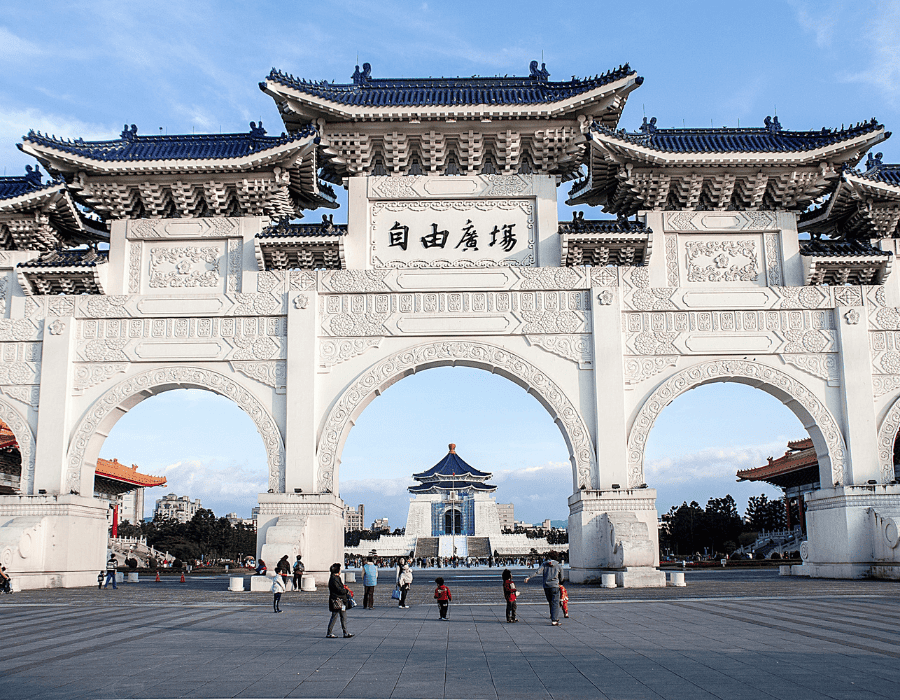
Taiwan is compact enough that you can experience several completely different regions within one trip.
Taipei (2–4 Days)
Taipei combines night markets, temples, shopping, hiking, cafés, and museums in a way that feels easy to explore even for first-time visitors.
Long sightseeing days can become surprisingly tiring here, so balancing busy areas with slower cafés or parks helps keep energy levels up.
Taichung & Sun Moon Lake (1–2 Days)
Taichung offers a slightly slower pace than Taipei and works well alongside a visit to Sun Moon Lake.
The area is especially popular for cycling, lake views, and relaxed scenery.
Tainan (1–2 Days)
Tainan is known for history, temples, and some of Taiwan’s best food.
Night markets here are especially popular, although it’s still smart to pace yourself and choose freshly cooked food during hotter months.
Hualien & Taroko Gorge (1–2 Days)
The landscapes around Taroko Gorge are some of Taiwan’s most dramatic.
If hiking during warmer weather, hydration, sunscreen, and regular breaks become especially important.
Kenting & The South (1–2 Days)
Kenting is popular for beaches, snorkeling, surfing, and slower coastal travel.
Sun protection and swim safety matter here, especially during hotter months with stronger UV levels.
7-Day Sample Itinerary
A balanced week in Taiwan could look something like:
- 3 days in Taipei
- 1 day in Taichung
- 1 day at Sun Moon Lake
- 2 days in Tainan or Hualien
Leaving some flexibility between travel days helps avoid burnout and keeps the trip feeling more relaxed overall.
14-Day Sample Itinerary
With two weeks, travelers can move at a much slower pace while exploring more of the island.
This allows time for:
- Taipei
- Taichung
- Sun Moon Lake
- Tainan
- Kaohsiung
- Hualien
- Taroko Gorge
- Kenting
Adding slower days between longer travel segments often makes the trip feel much more enjoyable.
Family-Friendly And Slow-Travel Options
Taiwan works especially well for slower travel styles thanks to its reliable transport and manageable distances.
Families often benefit from:
- shorter sightseeing days
- regular breaks
- indoor activities during hotter afternoons
- flexible itineraries
Final Travel Checklist
Before leaving for Taiwan, make sure you have:
- travel insurance
- enough prescription medication
- digital copies of important documents
- suitable payment cards
- comfortable walking shoes
- a simple travel health kit
In Short
- Taiwan combines cities, food, mountains, and coastlines in a relatively easy-to-navigate destination
- Public transport is reliable and beginner-friendly
- Night markets and local food are a major part of the experience
- Hydration, pacing, and slower travel days help reduce exhaustion
- Taiwan is generally very safe and comfortable for first-time visitors
About the Air Doctor App
With the Air Doctor app in your pocket, you can access medical care and receive expert medical guidance anywhere you travel.
Air Doctor offers a wide range of benefits, including:
- A global network of multi-lingual doctors and specialists
- Choice of clinic, at-home (hotel), and video consultations
- 24/7 multi-lingual support
- Transparent pricing and reviews
- Most common medical specialties, including cardiologists, ENT specialists, and pediatricians
FAQs
Many travelers can visit Taiwan visa-free for short stays, although requirements depend on nationality.
Yes. Taiwan is generally considered one of the safer destinations in Asia for solo travelers.
Most travelers only need routine vaccinations, but checking with your healthcare provider before departure is always recommended.
Cards are widely accepted in cities, although smaller restaurants and night market stalls may still prefer cash.
Dial 119 for emergencies in Taiwan.
Rest, hydration, and electrolytes usually help mild cases, but medical support may be needed if symptoms become severe or prolonged.