Austria combines grand cities, alpine scenery, lakes, and easy rail travel in a way that makes multi-stop trips feel surprisingly manageable.
This guide keeps Vienna at the center while highlighting the best day trips and short overnight stays that add variety without requiring exhausting travel days. From museum mornings and coffeehouses to mountain viewpoints and lakeside walks, Austria makes it easy to balance culture with nature at a comfortable pace.
You’ll also find practical travel tips and light health advice throughout the guide to help small issues stay small while traveling.
Vienna
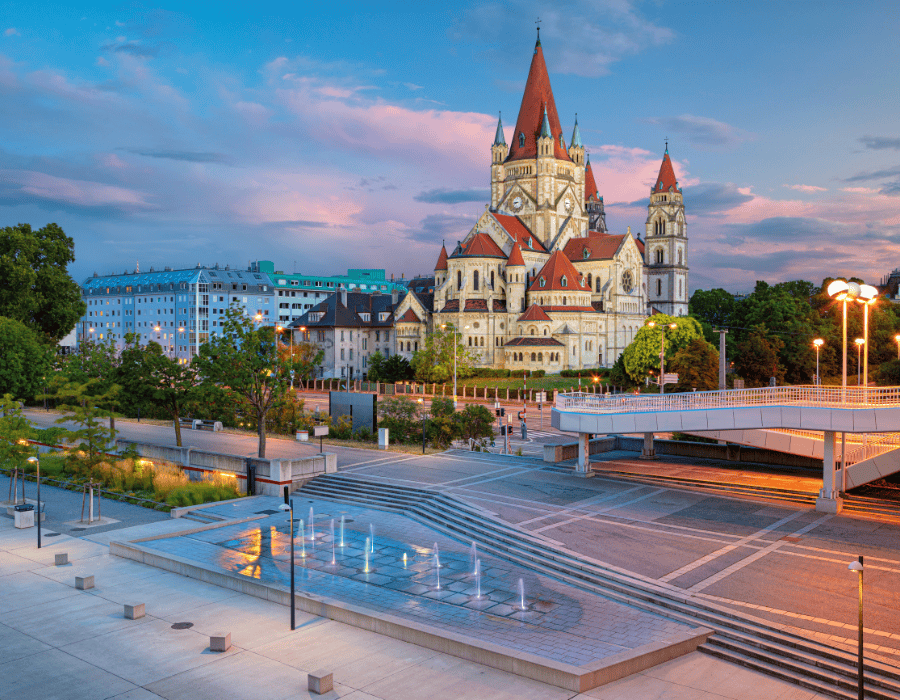
Vienna works especially well as a base because Austria’s train network makes side trips simple while the city itself remains easy to explore at a slower pace.
Start your mornings with major sights like Hofburg, Schönbrunn Palace, or the Belvedere before slowing down at one of the city’s traditional cafés. A 24- or 48-hour transport pass makes it much easier to move between neighborhoods without constantly buying tickets.
Pharmacies are easy to find throughout central Vienna if you need basic medication or travel supplies. If you’re planning several days in the capital, our Vienna travel tips guide also covers practical advice on neighborhoods, transport, and pacing your itinerary naturally.
Highlights
- Hofburg Palace
- Schönbrunn Palace and gardens
- Belvedere Museum
- Kunsthistorisches Museum
- Stadtpark
- Naschmarkt
Salzburg
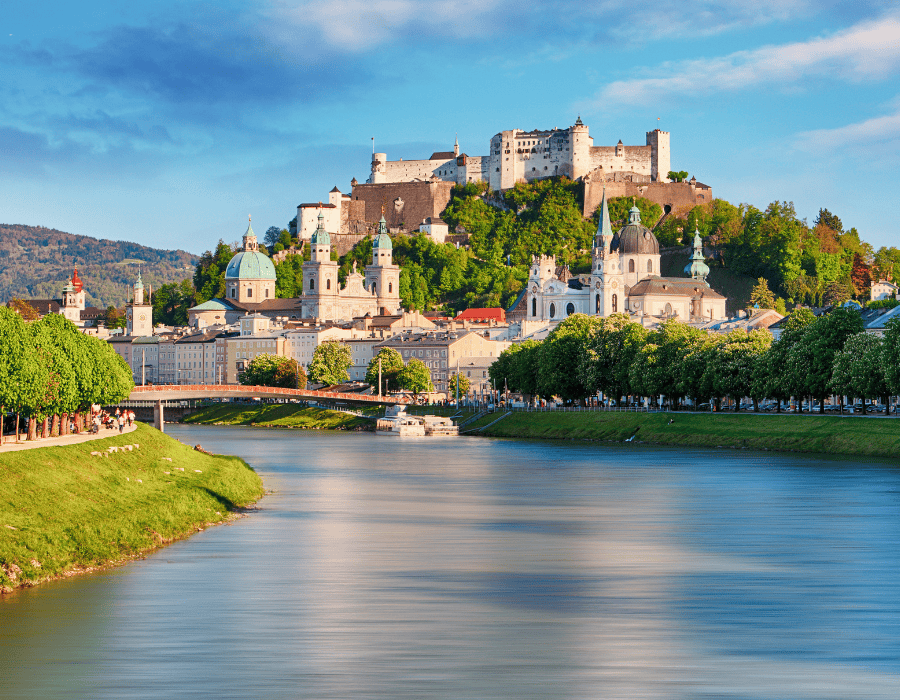
Salzburg works well as either a long day trip or a short overnight stay from Vienna.
The city is compact enough to explore comfortably on foot, which makes it ideal for travelers wanting a calmer pace after busier days in the capital. Mozart’s birthplace, the baroque streets around Getreidegasse, and the hilltop Hohensalzburg Fortress are all easy to combine into one relaxed itinerary.
Mirabell Gardens is also a good place to slow down between sightseeing stops, especially during warmer months when the city becomes busier in the afternoon.
Highlights
Hallstatt & The Salzkammergut
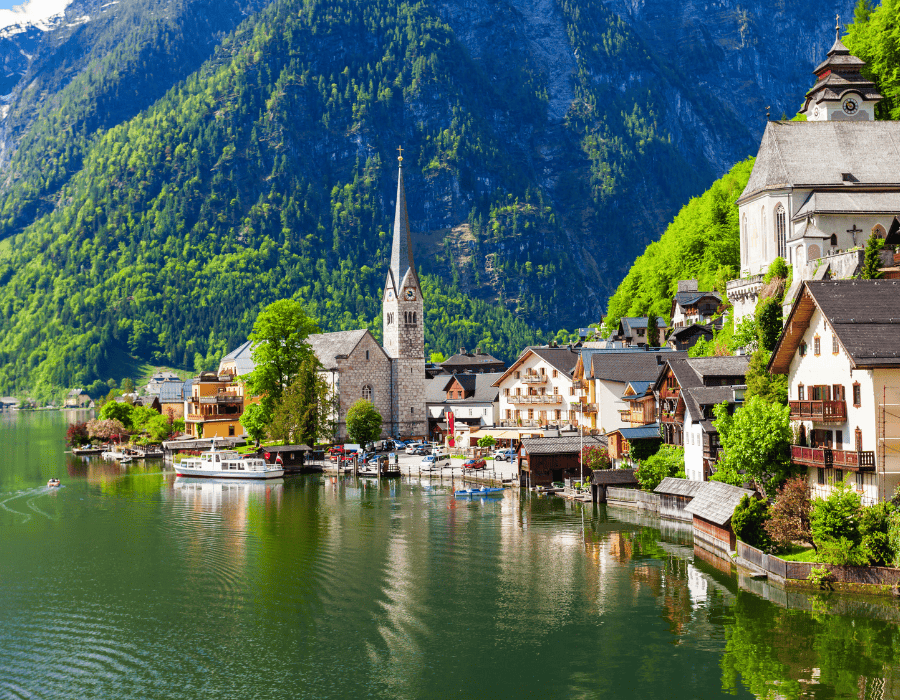
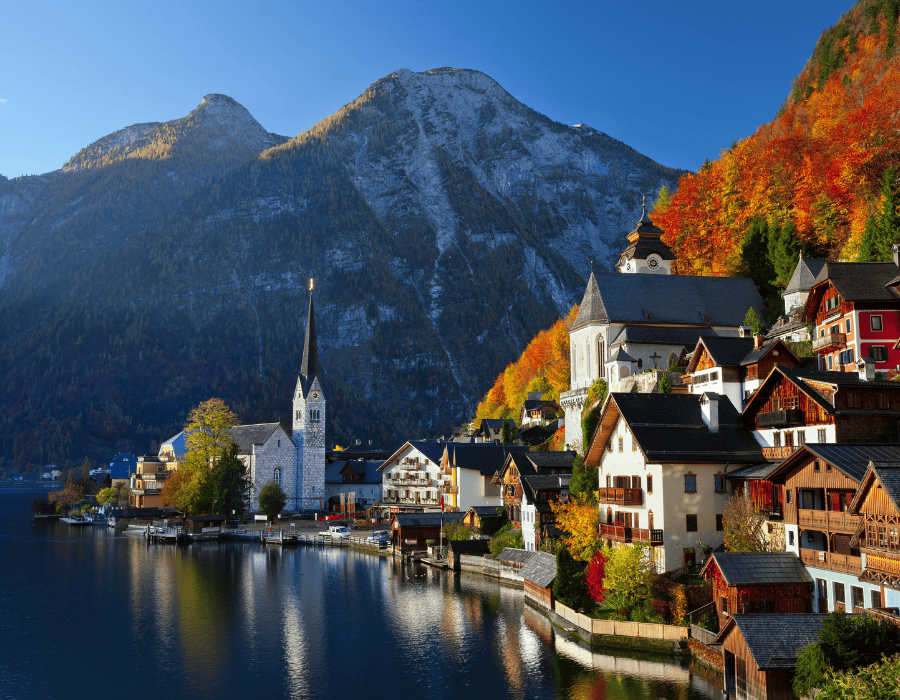
Hallstatt is one of Austria’s most photographed destinations, but it still manages to feel impressive in person.
The atmosphere here is slower and quieter than many travelers expect. Most people come for the lake views, short walks, mountain scenery, and peaceful pace rather than packed sightseeing schedules.
Early mornings and late afternoons tend to feel calmer once day-trip crowds thin out. Short boat rides across the lake offer some of the best viewpoints, although windy weather can make the water slightly rougher for travelers prone to motion sickness.
Highlights
- Hallstatt Lakeside Promenade
- Hallstatt Salt Mine
- Boat rides on Hallstätter See
- Gosausee
- Scenic hiking trails around the lake
Innsbruck & The Tyrolean Alps
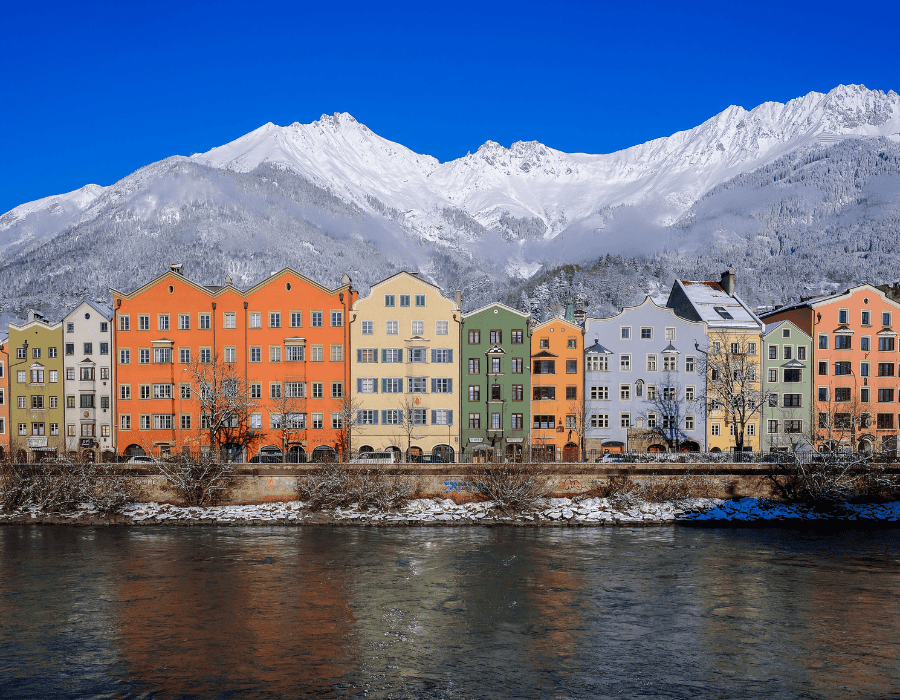
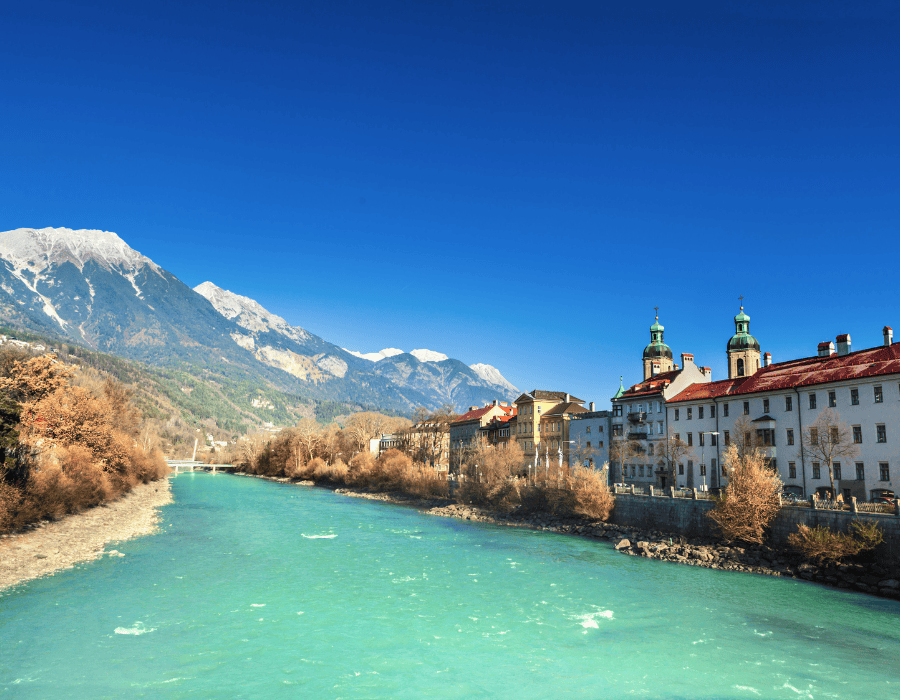
Innsbruck combines alpine scenery with the convenience of a compact city.
One of the biggest advantages here is how quickly travelers can move between the old town and mountain viewpoints. The Nordkette cable car makes it possible to reach alpine scenery within minutes without committing to long or difficult hikes.
The old town itself feels relaxed and walkable, especially in the evenings once day visitors thin out slightly.
Mountain weather can change quickly even during summer, so layering clothing and carrying a light jacket usually makes alpine day trips far more comfortable.
Highlights
- Nordkette Cable Car
- Golden Roof
- Ambras Castle
- Bergisel Ski Jump
- Easy alpine walks from cable car stations
Wachau Valley
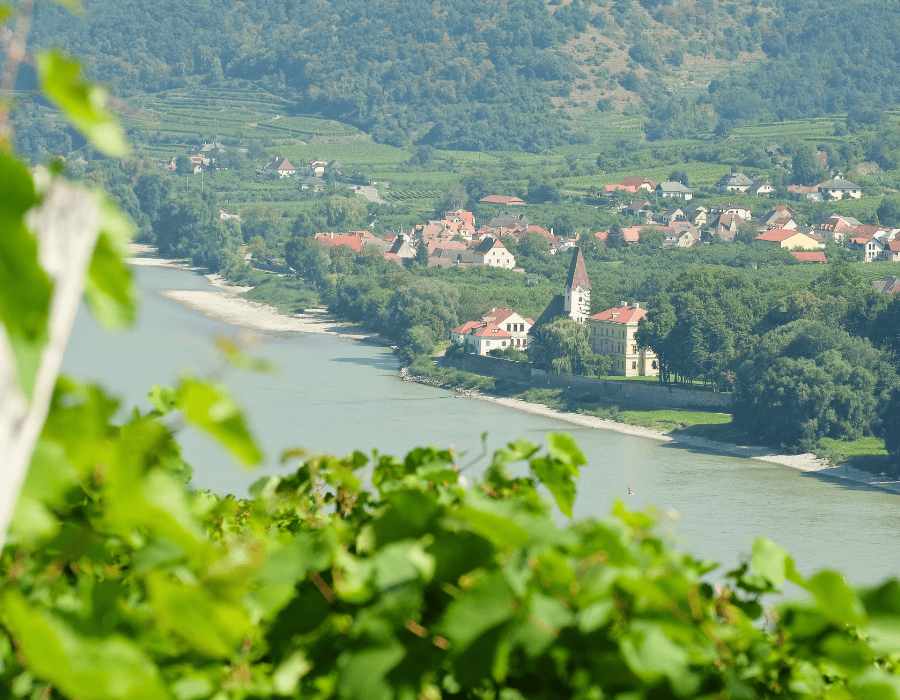
The Wachau Valley offers a slower contrast to Austria’s larger cities.
The region follows the Danube River and is known for vineyards, riverside villages, cycling routes, and historic abbeys. Many travelers visit as a relaxed day trip from Vienna, especially during warmer months.
Melk Abbey and the riverside town of Dürnstein are two of the most popular stops, although simply moving slowly through the valley often becomes the highlight itself.
Cycling between villages is especially popular here, although it’s worth staying hydrated and saving wine tastings for after longer rides.
Highlights
- Melk Abbey
- Dürnstein
- Krems an der Donau
- Danube cycling routes
- Riverside cafés and wineries
Graz
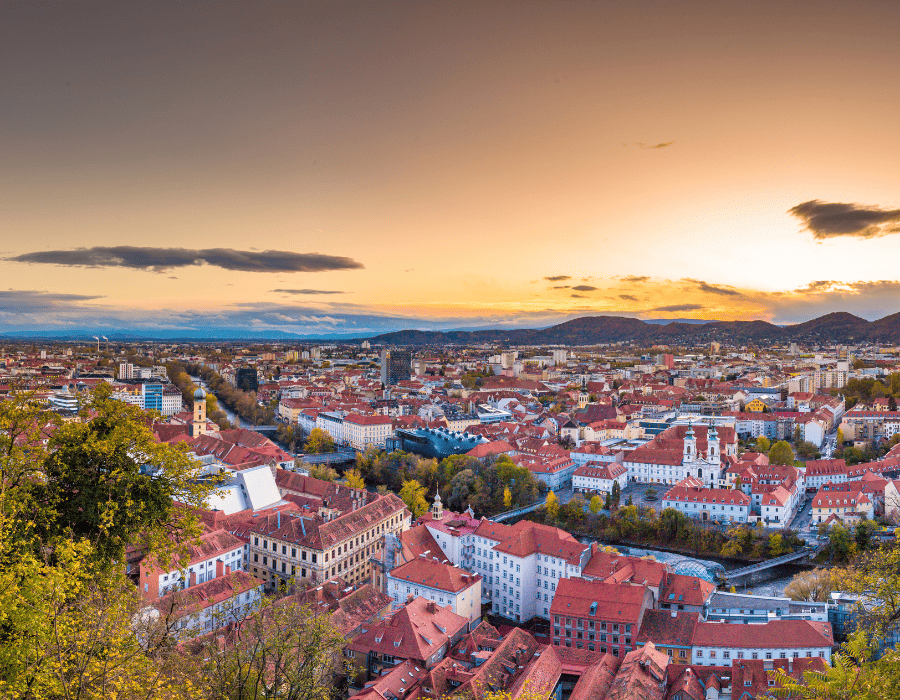
Graz feels quieter and more local than Austria’s larger tourist cities.
The smaller size makes it a good option for travelers wanting a slower overnight stop between busier destinations. The old town, local markets, and hilltop Schlossberg area are all easy to explore without rushing.
Graz also works particularly well for travelers interested in food, cafés, and relaxed city pacing rather than packed sightseeing schedules.
Highlights
- Schlossberg and clock tower
- Hauptplatz
- Kunsthaus Graz
- Local farmers’ markets
- Old Town cafés and streets
Zell Am See & Alpine Lakes
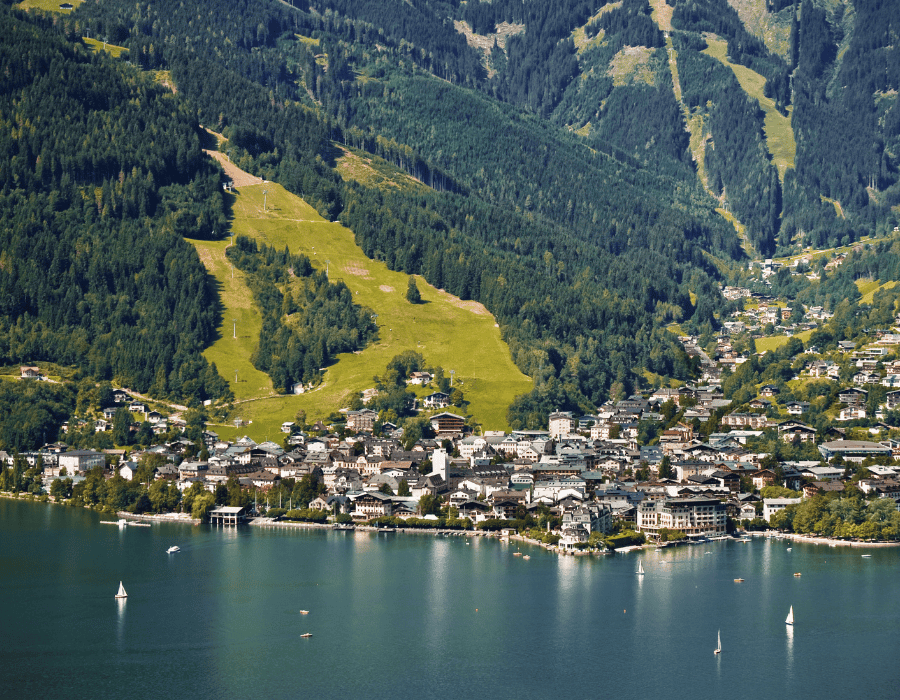
Zell am See is ideal for travelers wanting lakes, mountain scenery, and slower outdoor days.
The area works well for mixing light activity with actual downtime. Paddleboarding, lakeside walks, scenic lifts, and cafés create a relaxed pace without requiring serious hiking experience.
Even during summer, lake water temperatures can feel surprisingly cold, especially during longer swims. Sun exposure around the lakes also becomes stronger than many travelers expect because of the reflection from the water.
Highlights
- Lake Zell
- Schmittenhöhe lifts
- Kaprun and Kitzsteinhorn glacier
- Lakeside walking paths
- Paddleboarding and swimming areas
Getting Care In Austria
Austria has reliable healthcare services throughout major cities and tourist regions, and pharmacies (Apotheken) are easy to find if you need basic medication or travel essentials.
For non-emergency concerns like mild stomach issues, medication questions, or minor illnesses, telemedicine can also be a useful first step while traveling. If you need English-speaking medical support abroad, Air Doctor can help travelers connect with doctors through video consultations and local clinic visits in many destinations.
Easy Austria Itinerary Ideas From Vienna
A seven-day Austria trip can comfortably stay centered around Vienna while still including a few memorable side trips.
Spending three or four days in Vienna allows enough time for museums, cafés, concerts, and slower evenings without rushing between attractions. From there, Salzburg, Hallstatt, and the Wachau Valley all work well as manageable day trips.
For longer 10–14 day itineraries, adding an overnight stay in Innsbruck, Zell am See, or Graz creates more balance and allows time to experience Austria’s alpine scenery at a slower pace.
Leaving one or two unplanned buffer days also helps. Weather changes, travel fatigue, or simply wanting a slower morning can completely shift the pace of a trip.
Practical Travel And Health Notes For City-First Trips
Austria trips usually involve more walking than travelers initially expect, especially in historic city centers with cobbled streets and hilly viewpoints.
Comfortable shoes, layered clothing, sunscreen, and a refillable water bottle go a long way during longer sightseeing days. Spring also brings seasonal pollen in some regions, so allergy medication can be useful if you’re sensitive during that time of year.
Even relatively easy alpine walks can feel more physically demanding if you’re not used to elevation changes, so slower pacing and regular breaks help make mountain excursions far more enjoyable.
Responsible Travel Tips For Austria
Austria’s smaller towns, lakes, and alpine regions are a huge part of what makes the country special, so slower and more respectful travel habits make a real difference.
Using reusable bottles, supporting smaller cafés and markets, and respecting quiet residential areas helps reduce pressure on heavily visited destinations. In mountain and lake regions, sticking to marked trails and following local guidance helps protect more fragile environments.
Choosing smaller tours and local operators can also create a more enjoyable experience overall while supporting local communities more directly.
Quick Checklist Before You Go
Before leaving for Austria:
- check passport validity and travel insurance
- reserve major train journeys early
- pack comfortable walking shoes and layers
- bring a simple travel health kit
- save important travel documents digitally
- allow room in your itinerary for slower days
A little flexibility often makes Austria trips feel far more relaxing and enjoyable overall.
In Short
Austria works especially well for travelers who want variety without exhausting travel days.
You can spend the morning in a museum, the afternoon beside a lake, and the evening back in a historic city without needing complicated logistics. Keeping the pace realistic, packing thoughtfully, and leaving room for slower days often makes the trip feel far more enjoyable overall.
FAQs
Vienna is usually the easiest base for first-time visitors thanks to its rail connections and range of day trips.
Yes. Austria’s train network is reliable and makes it easy to visit major cities, lakes, and alpine regions without driving.
English-speaking doctors are common in larger cities and tourist areas, although smaller mountain villages may have fewer options.
Yes. Tap water in Austria is generally very safe to drink and often comes directly from alpine water systems.