Getting sick or needing medical help while traveling can feel stressful, especially when you’re in a country where you may not speak the language or understand how the healthcare system works.
The good news is that Japan has one of the safest and most reliable healthcare systems in the world. Whether you need a pharmacy, a local clinic, emergency treatment, or an English-speaking doctor, help is widely available once you know where to look.
From busy cities like Tokyo to smaller towns across the country, healthcare facilities in Japan are known for being clean, efficient, and well-organized. Even as a tourist, you can still access medical care quickly for most common health concerns.
This guide covers everything travelers need to know about healthcare in Japan, including:
- how to find English-speaking doctors
- how clinics and hospitals work
- how much treatment usually costs
- where to find pharmacies
- what to do in an emergency
Contents
Table of Contents
- Healthcare in Japan – The Basics
- Typical Medical Costs for Travelers
- Payment Methods Available in Japan
- Seeing a Specialist in Japan
- Pediatric Care in Japan
- Travel Insurance Is Strongly Recommended
- How Healthcare Usually Works for Travelers
- Clinics Are Usually the Best First Step
- Hospitals Are for More Serious Care
- What Travelers Should Know
- Pharmacies & Drugstores
- Can Tourists Buy Medicine in Japan?
- How Prescriptions Work in Japan
- What If You Need Medication Late at Night?
- Healthcare in Japan: Hospitals and Clinics
- What Happens During a Visit?
- Emergency and After-Hours Medical Care in Japan
- Tips for Tourists Visiting a Doctor in Japan
- In Short
Healthcare in Japan – The Basics

Let’s look at the basics of healthcare in Japan.
Japan Has High-Quality Healthcare
Japan is known for having one of the best healthcare systems in the world.
Medical facilities are generally very clean, modern, and efficient, especially in larger cities like Tokyo, Osaka, and Kyoto. Even smaller cities and towns usually have reliable clinics and hospitals nearby.
As a traveler, you can still receive treatment even though you are not part of Japan’s public healthcare system.
Do Tourists Get Free Healthcare in Japan?
No. Foreign visitors are not covered by Japan’s national health insurance system.
This means you will usually need to:
- pay for treatment upfront
- use travel insurance to claim costs back later
That’s why travel insurance is strongly recommended before visiting Japan.
Without insurance, medical treatment can become expensive, especially if you need hospital care or emergency treatment.
The Cost of Healthcare in Japan
Healthcare in Japan is generally high quality, but costs can add up quickly if you’re paying completely out of pocket.
The total amount you pay depends on things like:
- the type of treatment you need
- whether you visit a clinic or hospital
- if you need tests, scans, or medication
- whether you have travel insurance
For most travelers, a simple clinic visit is usually manageable, especially for common illnesses or minor medical concerns.
Typical Medical Costs for Travelers
While prices can vary, here’s a rough idea of what you can expect to pay in Japan without local insurance coverage:
| Treatment | Estimated Cost |
| Basic consultation | ¥5,000–¥10,000 ($35–$70 USD) |
| Clinic consultation | ¥10,000–¥15,000 ($70–$105 USD) |
| Prescription consultation | ¥1,000–¥5,000 ($7–$35 USD) |
| Emergency consultation | Varies depending on care needed |
Do You Need to Pay Upfront?
In most cases, yes.
Clinics and hospitals in Japan usually expect payment at the time of your visit, even if you have travel insurance.
Afterward, you can submit your receipts to your insurance provider for reimbursement.
Because of this, it’s a good idea to:
- keep copies of receipts
- save medical paperwork
- check your travel insurance coverage before your trip
Does the Cost Change Across Japan?
Not dramatically.
Japan has fairly standardized medical pricing compared to many other countries, so consultation costs are usually similar across different prefectures and cities.
That said, larger hospitals or international clinics in major tourist areas may charge slightly higher fees.
Payment Methods Available in Japan
Although Japan is well-known for its high-tech environment, cash is still the most popular and widely accepted payment method. But trends have been changing, with a gradual shift towards other payment methods. You will most likely be able to pay for any healthcare accounts with your credit or debit card, as long as it supports international payments.
- Credit/Debit Cards: Now widely accepted in major cities. However, the likelihood decreases in smaller towns. JCB is the only international credit card brand in Asia and is co-branded with MasterCard and Visa.
- IC Cards: These are stored-value cards that can be recharged. Common brands include Suica and Icoca. This payment method is predominantly used for public transport and double as a means of payment at stores and restaurants.
- Mobile Payments: Japan is no stranger to mobile payments, the most popular choices among these include domestic services like Edy, Rakuten Pay, Paypay, and Line Pay. (However, these are geared more towards locals.) As well as international services such as Alipay, WeChat Pay, and Apple Pay. Please note: Google Pay won’t work on most devices purchased outside of Japan.
Seeing a Specialist in Japan
Most outpatient specialist care is provided in hospital outpatient clinics that specialize in one field of medicine – usually, patients can visit these clinics without a referral. Fees are determined by the same fee schedule applicable to primary healthcare. There are many medical clinics throughout the country, but they are likely not located where tourists would go since they are set up for residents’ convenience.
Pediatric Care in Japan
You can’t just take your child to the nearest hospital and receive care. Since most healthcare facilities and hospitals in Japan work on rotation shifts, there might not be a pediatrician on duty when you arrive. Thankfully, most cities in Japan have at least one emergency pediatric clinic or hospital, which can provide after-hours pediatric care.
There is a national pediatric medical advice telephone line that is also available after hours. Be advised that the service is mostly available in Japanese. Dial #8000 to speak with a nurse or pediatrician about your child’s condition – the teleconsultant will then advise you on what steps to take next and whether you need to take your child to the nearest hospital or clinic.
Travel Insurance Is Strongly Recommended
Travel insurance can make a huge difference if something unexpected happens during your trip.
Even though many routine medical visits are affordable, more serious treatment, hospital stays, or emergency care can become expensive very quickly.
Good travel insurance can help cover:
- clinic visits
- hospital treatment
- prescriptions
- emergency medical care
- medical transportation
If you’re traveling for more than a short trip, it’s especially important to make sure you’re covered.
How Healthcare Usually Works for Travelers
In Japan, most people go directly to a clinic or specialist instead of registering with one doctor long term.
For travelers, this actually makes things easier.
You usually do not need to:
- register at a clinic
- get a referral first
- wait weeks for an appointment
For most common illnesses or minor injuries, you can simply visit a clinic, explain your symptoms, and receive treatment.
Clinics Are Usually the Best First Step
If you feel sick while traveling, a clinic is usually the easiest and fastest option.
Clinics in Japan are commonly used for:
- colds and flu
- stomach issues
- minor infections
- prescriptions
- general medical concerns
Many clinics are small, efficient, and located close to train stations or busy areas.
If your condition is more serious, the clinic may refer you to a hospital.
Hospitals Are for More Serious Care
Hospitals in Japan are generally used for:
- emergencies
- specialist treatment
- surgeries
- more complex medical issues
They are often larger and busier than clinics, and waiting times may be longer.
If your situation is urgent, hospitals are very well-equipped and provide high-quality care.
What Travelers Should Know
A few things surprise visitors when they first use healthcare in Japan:
- many clinics still prefer cash payments
- English-speaking staff are more common in large cities
- waiting room systems can feel very structured
- you may move between waiting areas several times during your visit
Even if the process feels unfamiliar at first, healthcare in Japan is generally very organized and safe.
Pharmacies & Drugstores
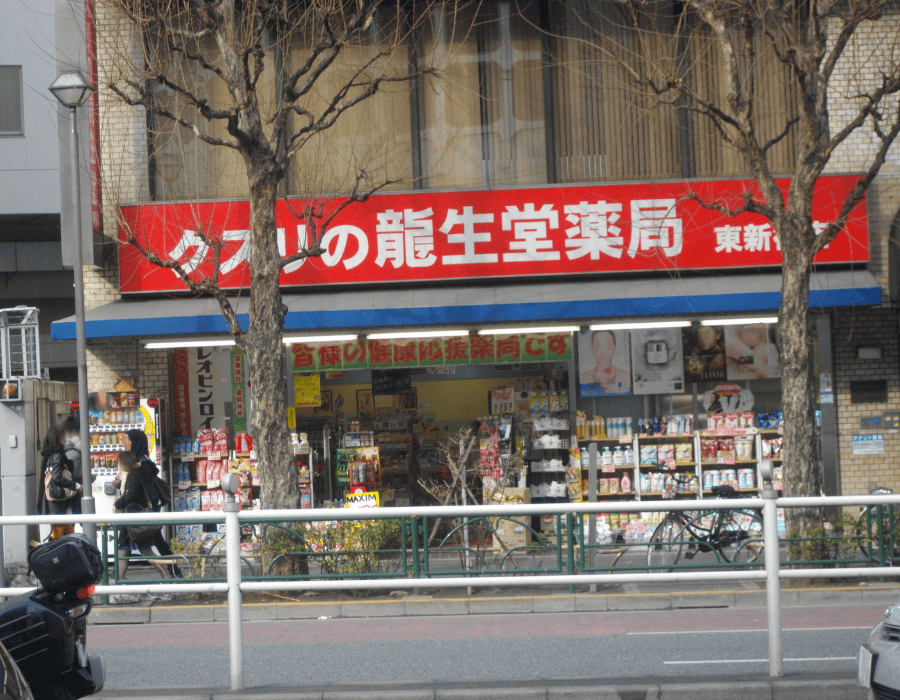
If you need medicine while traveling in Japan, you’ll usually have two options:
- drugstores
- pharmacies
Both are easy to find in major cities, but they work a little differently.
Drugstores vs Pharmacies in Japan
At first glance, they can look similar, but there’s an important difference.
Drugstores (Kusuriya)
Drugstores are the easiest option for everyday health needs.
They sell:
- cold and flu medicine
- pain relief
- stomach medication
- vitamins and skincare
- snacks and daily essentials
Many drugstores stay open later than pharmacies, especially in larger cities.
Popular chains like Matsumoto Kiyoshi are very tourist-friendly, and some locations in areas like Shibuya or Shinjuku may have English-speaking staff.
If you only need basic over-the-counter medication, a drugstore is usually the best place to start.
Pharmacies (Yakkyoku)
Pharmacies are mainly for prescription medication.
They are often located near clinics and hospitals, and you’ll usually visit one after seeing a doctor.
Unlike drugstores, pharmacies focus specifically on dispensing medication and explaining how to take it properly.
Can Tourists Buy Medicine in Japan?
Yes, tourists can buy many common medications without a prescription.
This includes things like:
- painkillers
- cold medicine
- allergy medication
- basic stomach remedies
However, some medications that are easy to buy in other countries may require a prescription in Japan.
If you are unsure, ask the pharmacist or staff for help.
How Prescriptions Work in Japan
If a doctor prescribes medication, you’ll usually receive a paper prescription to take to a nearby pharmacy.
In most cases:
- prescriptions must be filled within 4 days
- pharmacies may offer generic medication options
- pharmacists will explain dosage instructions
The process is generally very organized and efficient, even if it feels unfamiliar at first.
It is important that you fill your prescription within 4 days of its issue. Otherwise, you will need to revisit a doctor to have another one reissued.
Medication Packaging Can Be Confusing
One thing that surprises many travelers is that medicine packaging in Japan often looks different from what they’re used to.
In some drugstores, the boxes displayed on shelves may actually be empty display packages. After paying, staff will retrieve the real medication for you.
Most labels are also written primarily in Japanese, which can make things confusing if you’re unfamiliar with the language.
If you’re unsure about anything:
- ask staff for help
- use a translation app
- double-check dosage instructions carefully
Typical Opening Hours
Opening hours can vary depending on the location.
In general:
- pharmacies often open around 9 AM and close around 6 PM
- drugstores usually stay open later
- many smaller pharmacies close on Sundays
In large cities, some drugstores operate much later into the evening.
What If You Need Medication Late at Night?
Late-night options can be more limited, especially outside major cities.
If you need urgent medical advice or a prescription after hours, it may be easier to:
- visit an emergency clinic
- use telehealth services
- speak to an online doctor
If you need help quickly, Air Doctor can connect travelers with English-speaking doctors for online or in-person consultations.
Healthcare in Japan: Hospitals and Clinics
If you get sick while traveling in Japan, one of the first things you’ll need to decide is whether to visit a clinic or a hospital.
For most travelers, clinics are usually the best place to start. Hospitals are generally used for more serious situations or specialist treatment.
Knowing the difference can save you time, stress, and money.
Clinics in Japan
Clinics are smaller medical facilities that handle everyday health concerns.
They are very common throughout Japan and are often located near train stations, shopping areas, or residential neighborhoods.
Most travelers visit clinics for things like:
- colds and flu
- stomach issues
- minor infections
- headaches or fevers
- prescription refills
- non-emergency medical concerns
Many clinics specialize in one area of medicine, while others operate more like a general practice.
If you are unsure where to go, look for a clinic offering “internal medicine” (naika). This is usually the closest equivalent to a general doctor or GP.
Hospitals in Japan
Hospitals are larger facilities designed for more serious or complex medical care.
They are typically used for:
- emergencies
- surgeries
- specialist treatment
- severe illness or injuries
- advanced testing and scans
Hospitals in Japan are generally very modern and well-equipped, especially in larger cities.
However, they are often busier than clinics, and waiting times may be longer depending on the situation.
Which One Should Travelers Choose?
For most minor illnesses or health concerns, start with a clinic.
Clinics are usually:
- faster
- easier to access
- less overwhelming
- more affordable than hospitals
If your condition is more serious, the clinic may refer you to a hospital for additional treatment.
If you are experiencing severe symptoms or a medical emergency, go directly to a hospital or call emergency services.
What Happens During a Visit?

The process in Japan can feel a little different if you’ve never used healthcare abroad before, but it’s usually very organized.
When you arrive, you may be asked to:
- fill out a short medical questionnaire
- provide identification or insurance information
- explain your symptoms at reception
After checking in, you’ll wait to be called for your consultation.
During your visit, it’s normal to move between waiting areas, reception desks, and consultation rooms several times. This can feel unusual at first, but it’s a standard part of how many clinics and hospitals in Japan operate.
Do You Need an Appointment?
Not always.
Many clinics accept walk-ins, especially for common illnesses. However, some hospitals and specialist clinics may require appointments or referrals.
If you’re unsure:
- check the clinic website before visiting
- call ahead if possible
- ask your hotel for help
How To Find Medical Clinics in Japan
If you need to see a doctor while traveling in Japan, there are a few easy ways to find nearby medical care.
In most cases, the quickest option is to ask your hotel concierge or front desk for help. Hotels are used to assisting travelers and can often recommend nearby clinics or help you call ahead.
You can also use official tourism healthcare directories to search by location, language, or medical specialty. In larger cities like Tokyo and Osaka, you’ll usually find clinics with English-speaking staff more easily.
If you’d prefer a simpler option, Air Doctor helps travelers quickly find English-speaking doctors for video consultations, clinic visits, or hotel visits without needing to navigate the system alone.
Seeing a Specialist in Japan
In Japan, patients can often visit specialists directly without needing a referral first.
Many specialist services are provided through hospitals or dedicated clinics that focus on one area of medicine, such as dermatology, orthopedics, or pediatrics.
For travelers, this can make the process simpler and faster, especially if you already know what kind of treatment you need. However, specialist clinics may be harder to navigate outside major cities, particularly if you do not speak Japanese.
If you are unsure where to go, it’s usually best to start with a general clinic first. They can assess your symptoms and recommend the right next step if specialist care is needed.
Telehealth in Japan
Online healthcare services are widely available in Japan and have become much more common in recent years.
For travelers, telehealth can be one of the easiest ways to get medical advice quickly, especially for minor illnesses like colds, stomach issues, allergies, or prescription questions.
Instead of traveling to a clinic, you can speak to a doctor remotely using your phone or laptop. This can be especially helpful if:
- you’re feeling too unwell to leave your hotel
- you’re dealing with a language barrier
- clinics nearby are closed
- you only need basic medical advice or a prescription
Many healthcare providers in Japan now offer video consultations, although availability may vary depending on the clinic and location.
If you’d prefer a simpler option, Air Doctor helps travelers connect with English-speaking doctors for online consultations, clinic visits, or hotel visits throughout Japan.
Emergency and After-Hours Medical Care in Japan
If you need urgent medical help in Japan, dial 119 for an ambulance. Ambulance services are free, although you will still need to pay for treatment at the hospital. Major cities have hospitals and emergency clinics that operate 24/7, but English-speaking staff may not always be available. For non-life-threatening issues outside normal clinic hours, you can also visit after-hours clinics or use telehealth services to speak to a doctor more quickly.
Tips for Tourists Visiting a Doctor in Japan
If you need medical care in Japan, a little preparation can make the experience much easier and less stressful.
While language barriers can sometimes be a challenge, healthcare staff are generally professional, patient, and used to helping international visitors, especially in larger cities.
Here are a few simple tips that can help:
- keep a translation app handy for basic communication
- write down your symptoms before your appointment if possible
- bring your passport and travel insurance information
- arrive a little early in case paperwork is required
- keep copies of prescriptions or medication details with you
Healthcare visits in Japan are often very organized and structured, so the process may feel more formal than what you’re used to at home. Even so, clinics and hospitals are generally efficient, clean, and safe.
If you would prefer extra support, Air Doctor can help you find English-speaking doctors in Japan and book video, clinic, or hotel appointments more easily.
In Short
- Japan has a safe, modern, and reliable healthcare system
- Travelers can access clinics, hospitals, pharmacies, and emergency care without being residents
- Clinics are usually the best first step for non-emergency medical issues
- English-speaking doctors are easier to find in major cities like Tokyo and Osaka
- Travel insurance is strongly recommended, as tourists are not covered by Japan’s public healthcare system
- Telehealth services can make getting help faster and less stressful while traveling
About The Air Doctor App
With the Air Doctor app in your pocket, you can access medical care and receive expert medical guidance anywhere in Japan.
Air Doctor offers a wide range of benefits, including:
- A global network of multi-lingual doctors and specialists
- Choice of clinic, at-home (hotel), and video consultations
- 24/7 multi-lingual support
- Transparent pricing and reviews
- Most common medical specialties, including GPs and pediatricians
FAQs
Yes. Tourists can visit clinics and hospitals throughout Japan, even if they are not residents or part of the national healthcare system.
It’s highly recommended. Medical treatment in Japan is high quality, but tourists usually need to pay upfront before claiming costs back through insurance.
Yes. Drugstores sell many common over-the-counter medications, while pharmacies handle prescription medication issued by Japanese doctors.
English-speaking doctors are more common in larger cities, and translation apps can help. Services like Air Doctor can also help travelers find English-speaking medical professionals more easily.
Yes. Telehealth services are widely available and can be a convenient option for minor illnesses, medical advice, or prescription questions.