Shopping is a major part of many trips to Japan.
From skincare and fashion to electronics, stationery, snacks, and anime merchandise, it’s easy to understand why travelers often leave Japan with suitcases far heavier than when they arrived. The weaker yen has also made shopping in Japan especially attractive for international visitors in recent years.
One thing that can feel slightly confusing, though, is Japan’s tax-free shopping system, especially with major rule changes arriving in November 2026. The new process will shift away from instant tax removal at stores and toward a refund system handled at the airport instead.
The good news is that the system still sounds more complicated than it actually is. Once you understand the basics, tax-free shopping in Japan is still very manageable and can save travelers a decent amount of money, especially on larger purchases.
In this guide, we’ll explain how Japan’s current tax-free system works, what’s changing in 2026, what to expect at the airport, and the most common mistakes travelers should avoid.
What Is Tax-Free Shopping in Japan?
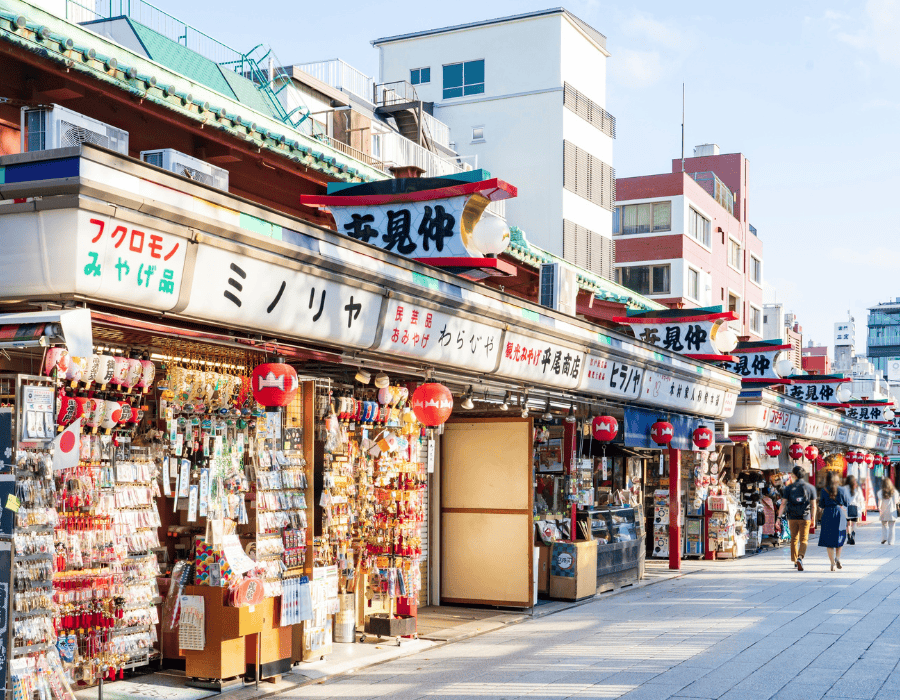
Tax-free shopping in Japan allows eligible international tourists to avoid paying Japan’s 10% consumption tax on qualifying purchases.
The system is designed for short-term visitors and applies only at participating stores displaying “Tax-Free” signage. In most cases, travelers need to spend at least ¥5,000 before tax at a single participating store on the same day to qualify.
Tax-free shopping is especially popular among travelers buying:
- cosmetics and skincare
- electronics
- clothing and sneakers
- souvenirs and snacks
- anime and gaming merchandise
In cities like Tokyo and Osaka, many major shopping areas and department stores participate in the system.
Who Qualifies for Tax-Free Shopping?
Tax-free shopping is generally available to foreign tourists visiting Japan under temporary visitor status.
Travelers usually need to:
- present their physical passport
- have a temporary visitor stamp or status
- make purchases at participating stores
Long-term residents and people staying in Japan on work or student visas are generally not eligible.
Some stores are also starting to integrate digital systems through Visit Japan Web, but physical passports are still usually required. Screenshots or photocopies are often not accepted, so it’s important to carry your passport while shopping.
How Japan’s Current Tax-Free System Works

Before the November 2026 changes, the process is fairly straightforward.
Tax Removed at Checkout
In many stores, travelers simply show their passport during checkout and the tax is removed immediately from the purchase price.
This is currently the most common system used in Japan.
Some Stores Already Use Refund Counters
Some department stores handle tax refunds separately through dedicated refund counters.
In these cases, travelers may pay full price first and then receive the tax refund afterward, sometimes in cash and sometimes back onto their payment card.
Consumables vs General Goods
Under the current system, consumables and general goods follow slightly different rules.
Consumables include:
- food
- drinks
- cosmetics
- skincare products
- medicines
These items are often sealed in special packaging and technically should not be opened before leaving Japan.
General goods like clothing, shoes, and electronics usually do not have the same restrictions.
If you plan on shopping heavily during your trip, especially for cosmetics and pharmacy items, we’ve also got a great guide on how to travel Japan on a budget.
What’s Changing in November 2026?
Japan’s tax-free shopping system is changing significantly in November 2026.
The biggest change is that Japan will move toward a “pay first, refund later” system, which will feel more similar to VAT refund systems already used across parts of Europe.
Instead of removing tax instantly at checkout, travelers will usually pay the full tax-inclusive price upfront and claim refunds later at the airport before departure.
The changes are designed to reduce fraud and simplify parts of the current system, even if the process may initially sound slightly more complicated for travelers.
You’ll Pay Full Price at the Store
Under the new system, travelers will generally pay the full purchase price, including tax, when shopping.
That means travelers may need to budget slightly differently during their trip since the refund will happen later rather than instantly.
Refunds Will Happen at the Airport
Refunds are expected to happen after customs verification at departure airports.
The process will likely involve:
- passport scanning
- digital purchase records
- self-service kiosks
- possible customs inspections
Airports may also become busier because of the additional refund processing, which means arriving earlier before international flights could become more important than before.
Some Current Restrictions Are Being Removed
One positive change is that some of the current restrictions around consumables are expected to become less strict.
For example:
- consumables may no longer need sealed packaging
- the distinction between consumables and general goods may become simpler
- travelers could have more flexibility while packing and using purchases during their trip
Overall, the system may actually feel more straightforward once travelers get used to it.
What Will the Airport Refund Process Look Like?
While the exact rollout may continue evolving, the general process is expected to follow a more digital system.
Register Purchases Digitally
Purchases will likely become linked digitally through systems connected to:
- QR codes
- passport information
- J-TaxRefund systems
- Visit Japan Web integration
This should reduce paperwork compared to older systems.
Scan Passport Before Departure
Before leaving Japan, travelers will likely scan their passport at airport kiosks or customs terminals to process refunds.
Many travelers may move through the process quickly, especially if purchases are already digitally registered.
Be Prepared for Possible Inspections
Customs officers may occasionally request to inspect purchases before approving refunds.
This is one reason why it’s smart not to pack certain tax-free items too deeply into checked luggage until after the refund process is complete.
Even so, many travelers will probably find the process relatively smooth once the new system becomes more familiar.
Best Things To Buy Tax-Free in Japan
Japan is known for having some of the best shopping in Asia, especially for travelers looking for high-quality products at competitive prices.
Japanese Skincare and Cosmetics
Japanese skincare products are one of the biggest draws for international travelers.
Drugstores and cosmetics stores often carry popular brands at much lower prices than overseas retailers.
Electronics and Cameras
Electronics stores like Bic Camera remain extremely popular for:
- cameras
- gaming devices
- headphones
- beauty tech
- travel gadgets
Stationery and Souvenirs
Japan’s stationery culture is famous for a reason.
Pens, notebooks, stickers, art supplies, and character goods make easy souvenirs that are both practical and affordable.
Fashion and Sneakers
Shopping districts like Shibuya, Harajuku, and Ginza attract travelers looking for:
- Japanese streetwear
- sneakers
- vintage fashion
- department store brands
Snacks and Specialty Foods
Japanese snacks are one of the easiest tax-free purchases to justify.
Many travelers stock up on:
- matcha products
- specialty Kit Kats
- regional snacks
- instant ramen
- sweets and confectionery
Stores like Don Quijote are especially popular for bulk souvenir shopping.
Common Tax-Free Shopping Mistakes Travelers Make
Most tax-free shopping problems happen because travelers simply don’t know the rules ahead of time.
Forgetting Your Passport
Many travelers forget that physical passports are usually required during tax-free purchases.
Without it, most stores cannot process the tax exemption.
Throwing Away/Losing Receipts or QR Codes
Keeping receipts and digital purchase records organized will likely become even more important after the 2026 changes.
Deleting emails or losing QR codes could slow down airport refund processing later.
Not Leaving Enough Airport Time
Airport refunds may add extra steps before departure.
Giving yourself extra airport time, especially during busy travel seasons, can reduce unnecessary stress.
Assuming Every Store Offers Tax-Free Shopping
Not all stores participate in Japan’s tax-free system.
Smaller shops and local businesses may not offer tax-free purchases at all.
Using or Opening Restricted Items Too Early
Under the current system, some consumables technically should remain unopened until leaving Japan.
This rule may become more relaxed after 2026, but it’s still important to understand the current requirements during your trip.
Staying Healthy During Your Shopping Days in Japan

Shopping in Japan can be surprisingly exhausting.
Many travelers spend full days walking through crowded stations, carrying bags, navigating shopping districts, and dealing with heat and humidity, especially during summer.
Stay Hydrated and Take Breaks
Japan’s convenience stores make it easy to grab water, sports drinks, and quick snacks throughout the day.
Taking regular breaks and staying hydrated becomes especially important during warmer months when heat exhaustion can creep up faster than expected.
Wear Comfortable Shoes
Shopping districts in cities like Tokyo and Osaka often involve far more walking than travelers expect.
Large train stations alone can involve long walks between platforms, exits, and shopping areas.
What To Do If You Feel Sick While Traveling
If you start feeling unwell while traveling in Japan, pharmacies and clinics are widely available in major cities.
However, navigating healthcare in another country can still feel stressful, especially with language barriers. That’s why many people find it helpful to read up about healthcare for travelers in Japan before their trip.
Air Doctor can also help travelers connect with English-speaking doctors in Japan through video consultations, clinic visits, or hotel visits during their trip.
Is Tax-Free Shopping in Japan Still Worth It?
For many travelers, absolutely!
Even with the new refund process arriving in 2026, Japan can still offer significant savings on larger purchases, especially with the favorable exchange rate in recent years.
The biggest difference is simply that travelers will need to plan slightly more carefully and allow extra time at the airport before flying home.
Once you understand how the new system works, tax-free shopping in Japan will likely feel far less intimidating than it first appears.
In Short
- Japan’s tax-free shopping system is changing in November 2026
- Travelers will generally pay full price upfront and claim refunds later at the airport
- Digital systems and airport processing will become more important
- Planning ahead and arriving early at the airport can reduce stress
- Tax-free shopping is still worthwhile for many travelers, especially on larger purchases
About The Air Doctor App
With the Air Doctor app in your pocket, you can access medical care and receive expert medical guidance anywhere you travel.
Air Doctor offers a wide range of benefits, including:
- A global network of multi-lingual doctors and specialists
- Choice of clinic, at-home (hotel), and video consultations
- 24/7 multi-lingual support
- Transparent pricing and reviews
- Most common medical specialties, including cardiologists, GPs, and pediatricians
FAQs
Eligible tourists can avoid Japan’s 10% consumption tax on qualifying purchases at participating stores.
Starting in November 2026, travelers will generally pay full price upfront and claim tax refunds later at the airport before departure.
Yes. Foreign tourists with temporary visitor status can still qualify under the updated system.
Yes. Most stores require travelers to present their physical passport during tax-free purchases.
Because airport refund processing may take additional time under the new system, arriving earlier than usual (add an hour to your usual time) is recommended, especially during busy travel periods.